Battleground Dem touts bipartisan record, but can’t name single issue she’d work with Trump on

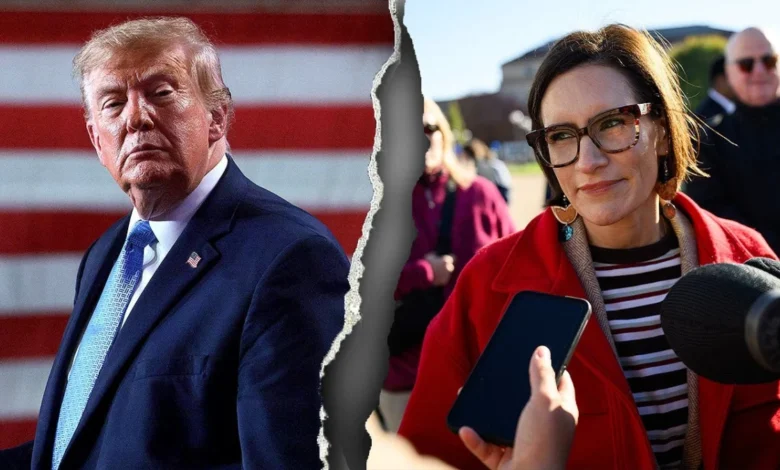
The political landscape in traditionally blue Minnesota has evolved into one of the most closely watched and contentious battlegrounds of the current election cycle. At the center of this shifting dynamic is a high-stakes U.S. Senate race featuring Minnesota Lieutenant Governor Peggy Flanagan, the Democratic nominee, and Republican challenger Michele Tafoya, a former NBC Sports NFL sideline reporter. What was once considered a safe seat for Democrats has transformed into a highly competitive contest, prompting national election analysts to recalibrate their ratings.
The tightening race underscores broader national political trends, highlighting voter sentiment regarding the current presidential administration, economic concerns, and local governance accountability. As both candidates sprint toward election day, the contest has become a referendum on national partisan polarization, legislative records, and the distinct governance styles championed by each campaign.
The Flashpoint: Flanagan Pressed on Bipartisan Potential
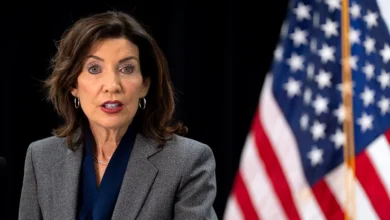
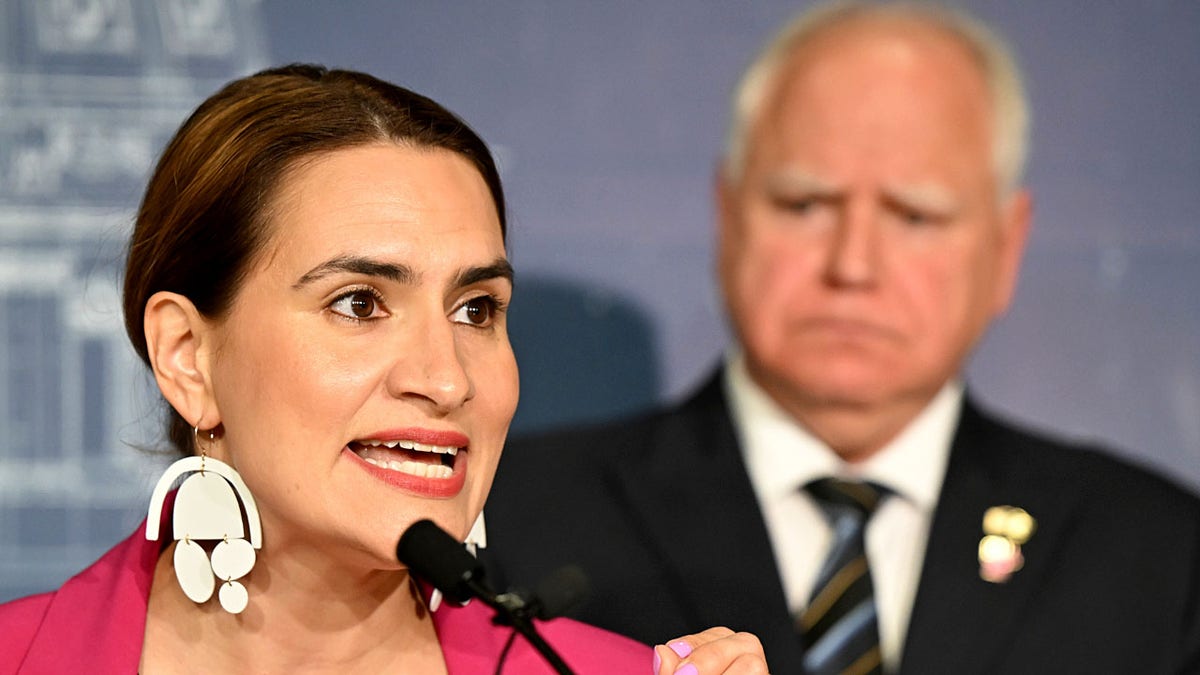
During a recent interview with Fox News, Lieutenant Governor Flanagan touted her historical record of bipartisanship, pointing to her past tenure in the Minnesota Legislature and her work with the Children’s Defense Fund—Minnesota. However, the exchange quickly turned tense when she was directly asked to name a single policy or issue where she could envision working alongside President Donald Trump should she win election to the United States Senate.
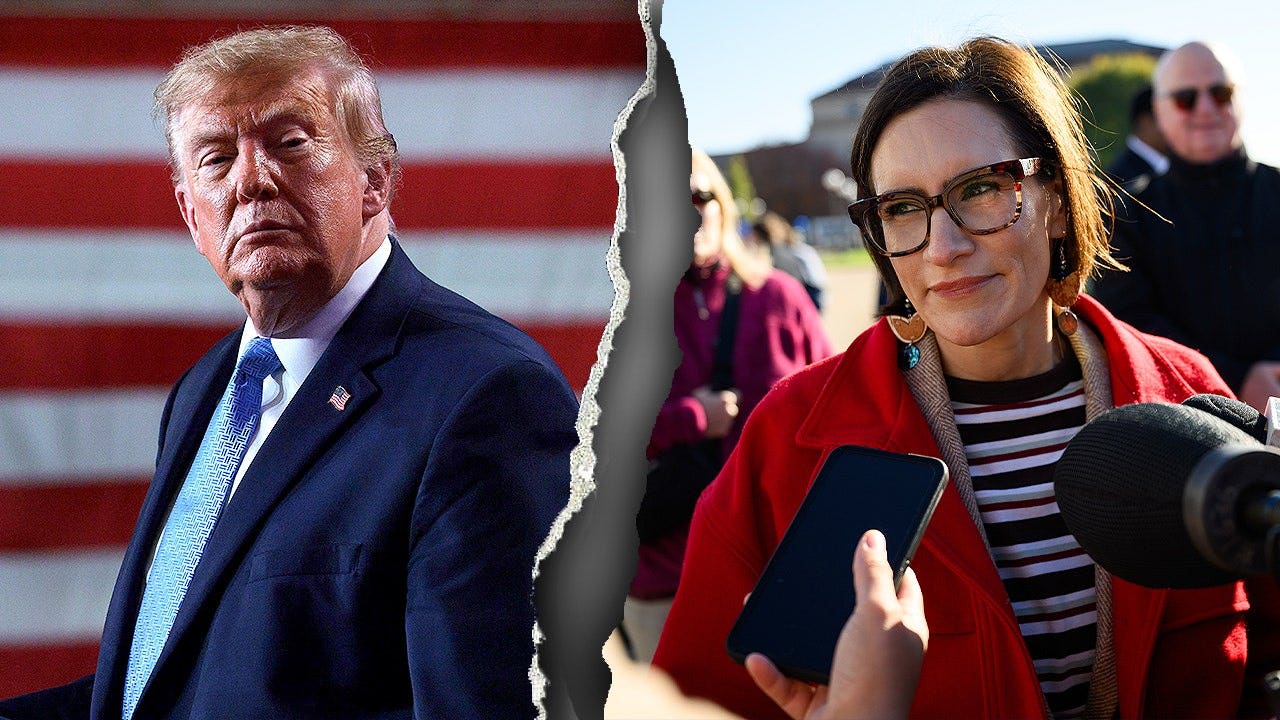
Rather than identifying a specific area of potential legislative collaboration, Flanagan declined to name any policy alignment. Instead, she sharply criticized the Trump administration, pointing to what she characterized as "continued grift" and accusing the executive branch of leveraging the Oval Office for personal financial gain.
"Right now, I’m deeply concerned about the Trump administration, the continued grift, making money hand over fist directly from the Oval Office," Flanagan stated during the interview. She added that feedback from her campaign trail encounters indicates that Minnesota voters are primarily looking for a senator who will serve as a legislative and political check on the White House rather than an administrative ally. "They’re interested in whether people are going to be a check on this guy, and roll back some of the devastating cuts and impacts on Minnesota. That’s the place I’m going to start."
This hardline stance reflects the core messaging of Flanagan’s campaign strategy. Throughout her bid for the Senate, she has firmly positioned herself as an unwavering opponent of the president’s agenda. Her platform includes progressive policy positions such as calling for the dismantling of U.S. Immigration and Customs Enforcement (ICE), championing Medicare for All, and working to reverse federal Medicaid and Supplemental Nutrition Assistance Program (SNAP) funding reductions. By drawing a sharp contrast with the federal administration, Flanagan aims to energize the Democratic base in urban centers and progressive enclaves across the state.
Michele Tafoya’s Populist and Pragmatic Pitch
On the Republican side, Michele Tafoya has mounted an unconventional and increasingly effective campaign by appealing to disaffected Democrats, suburban moderates, and voters fatigued by standard partisan rhetoric. Tafoya has seized upon the political fallout from a massive fraud scandal that emerged under the administration of Democratic Governor Tim Walz and Lieutenant Governor Flanagan. By tying Flanagan directly to the executive oversight failures that accompanied the scandal, the Republican campaign has sought to undermine the lieutenant governor’s executive credentials.
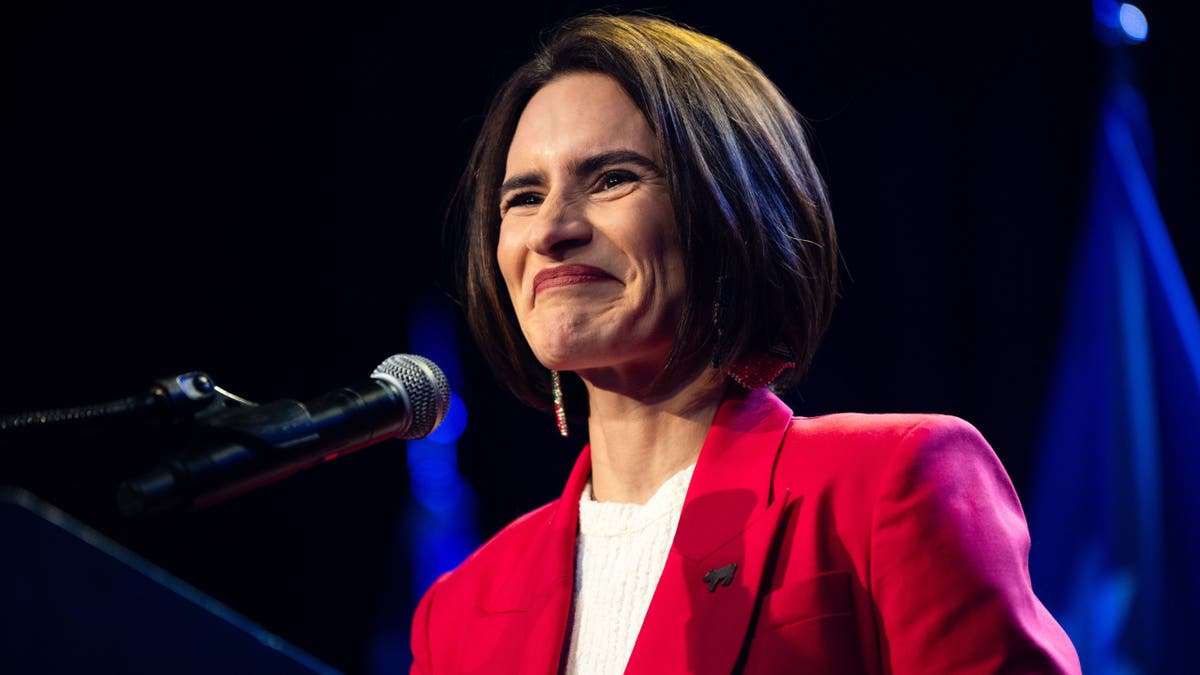
"The more that Minnesotans learn about me and my opponent and see what my opponent has failed to do over the last eight years alongside Tim Walz, they’re understanding Minnesota needs change," Tafoya said in an interview with Fox News Digital. "We need fresh ideas, we need an independent thinker and they’re jumping on board."
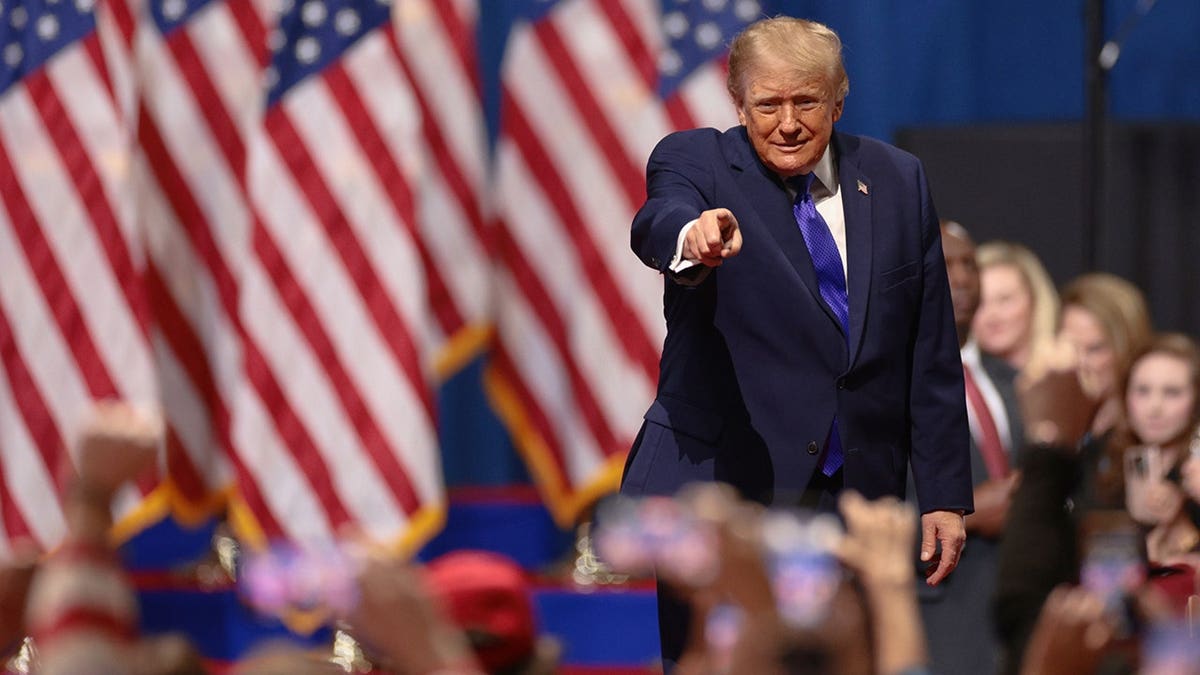
Tafoya has similarly sought to navigate her relationship with President Trump carefully, balancing national party support with local political independence. While President Trump publicly endorsed Tafoya during a recent high-profile rally in Ohio—describing her as a "very respected person"—Tafoya has actively worked to carve out distinct policy positions. In recent campaign advertisements, she has emphasized her status as a pro-choice Republican willing to challenge her own party when necessary.
"I’m a pro-choice Republican not afraid to stand up to my party," Tafoya declares in a recent campaign spot. "When Trump is right, I will work with him. When he is wrong, I will stand up for Minnesota."
This nuanced posture has occasionally drawn scrutiny from staunch party loyalists and conservative commentators, yet it has resonated with a segment of independent and moderate voters in suburban districts who historically hold the deciding votes in statewide Minnesota elections.
Background Context: The Evolution of Minnesota Politics
To understand the current competitiveness of the Minnesota Senate race, one must examine the state’s modern political history. For decades, Minnesota maintained a reputation as a reliable pillar of the Democratic-Farmer-Labor (DFL) Party in federal elections, having not voted for a Republican presidential candidate since 1972—the longest active streak in the nation. However, recent election cycles have demonstrated a steady erosion of traditional DFL dominance, particularly in rural Greater Minnesota and working-class industrial regions.
The intersection of state-level controversies and national economic pressures has accelerated this political realignment. The Walz-Flanagan administration faced intense public scrutiny following revelations of severe administrative oversight lapses within pandemic-era federal relief programs, leading to multi-million-dollar fraud schemes that made national headlines. Republican strategists have leveraged these revelations to question the competence and fiscal responsibility of the state’s leadership team.
Simultaneously, shifting economic conditions, concerns over public safety, and debates surrounding immigration enforcement have energized conservative and independent voters. These compounding factors created an opening for Tafoya, whose high profile as a veteran broadcaster and political newcomer provided instant name recognition and an outsider appeal that bypassed traditional political machinery.
Chronology of the Campaign Cycle
The trajectory of the 2026 Senate race in Minnesota has unfolded through several distinct phases:
- Early 2026: The race begins with prominent DFL figures, including Lieutenant Governor Peggy Flanagan, entering the primary following the retirement of the incumbent senator. Initially, political handicappers categorized the seat as safely within the Democratic column.
- Summer 2026: Michele Tafoya announces her candidacy as a Republican, quickly consolidating support among conservative activists and business leaders. Her campaign gains immediate traction by focusing heavily on local government accountability and the Walz administration’s administrative scandals.
- August 2026: Primary elections solidify the general election matchup between Flanagan and Tafoya. Campaign fundraising numbers demonstrate robust national interest from both parties, signaling that the state will be a major battleground.
- Fall 2026: Independent polling indicates a tightening race across suburban precincts. In response to narrowing margins and shifting voter sentiment, election analytics platforms adjust the race rating from "Likely Democrat" to "Lean Democrat."
- October 2026: High-profile campaign events, including President Trump’s endorsement rally in Ohio and Flanagan’s interview exchanges regarding federal cooperation, bring intense national media attention to the contest. Both campaigns ramp up television ad buys focusing heavily on character, economic stewardship, and legislative independence.
Broader Impact and National Implications
The competitiveness of the Minnesota Senate race carries significant implications for the broader balance of power in Washington. With the U.S. Senate closely divided, both political parties view every competitive seat as critical to securing a working majority ahead of upcoming legislative sessions. A Republican victory in a traditionally blue state would not only expand the GOP map but also signal a deeper realignment in Midwestern politics.
Conversely, a successful defense of the seat by Lieutenant Governor Flanagan would validate the Democratic strategy of nationalizing Senate contests around opposition to conservative executive policies, reproductive rights, and federal program protection. For Democrats, holding Minnesota is essential to maintaining their defensive firewall in the upper chamber.
Furthermore, the strategic choices made by both candidates offer a preview of future statewide campaigns. Tafoya’s model of maintaining a critical, independent distance from national party figures while addressing localized governance issues provides a potential blueprint for Republicans running in competitive, non-traditional territory. At the same time, Flanagan’s steadfast refusal to compromise with the executive branch highlights the deep ideological polarization defining contemporary American lawmaking.
As voters head toward the final stretch of the campaign, the outcome in Minnesota will ultimately depend on which candidate successfully persuades the state’s diminishing pool of undecided and independent voters. Whether the electorate prioritizes a continuation of progressive legislative oversight under Flanagan or opts for systemic change and administrative accountability championed by Tafoya remains one of the most compelling questions of the current political cycle.