Precision Dentistry Breakthrough: Japanese Researchers Develop Targeted Light-Activated Therapy for Gum Disease

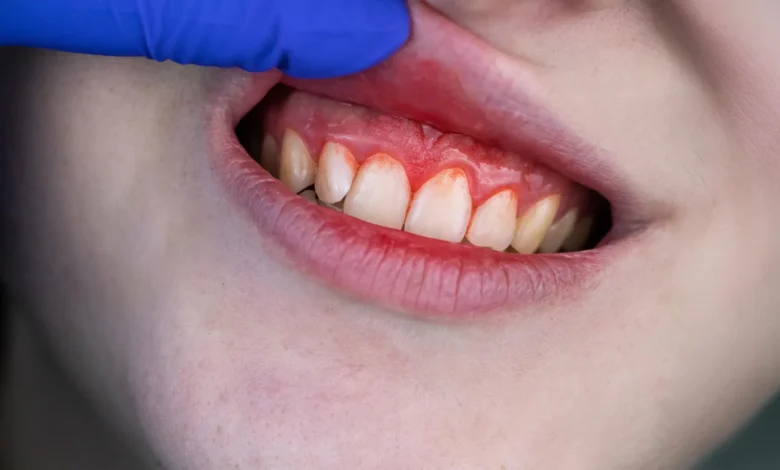
A team of scientists at Nagoya University has pioneered a groundbreaking therapeutic approach to periodontitis, marking a significant departure from traditional antimicrobial treatments. By repurposing technology originally designed for oncology, the researchers have developed a technique that selectively eradicates harmful oral pathogens while preserving the delicate balance of the oral microbiome. This innovation, published in the Journal of Translational Medicine, offers a promising roadmap for treating chronic gum disease without the collateral damage associated with conventional antibiotics and broad-spectrum therapies.
The Challenge of Oral Microbiome Dysbiosis
The human oral cavity acts as a complex ecosystem housing hundreds of distinct bacterial species. In a healthy state, these microorganisms exist in a commensal equilibrium that protects the host from infection and aids in metabolic processes. However, this stability is fragile. Periodontitis—a severe form of gum disease—is characterized by "dysbiosis," or the disruption of this microbial community, often triggered by the overgrowth of specific "keystone" pathogens.
At the center of this destructive process is Porphyromonas gingivalis. Unlike opportunistic bacteria that thrive only when the environment is already compromised, P. gingivalis actively manipulates the local immune response. It promotes inflammation and creates a favorable environment for other anaerobic bacteria, eventually leading to the degradation of the periodontal ligament and the alveolar bone that anchors teeth to the jaw.
For decades, the standard of care for periodontitis has relied on systemic antibiotics, mouth rinses, and antimicrobial photodynamic therapy (aPDT). While these methods are effective at reducing bacterial loads, they are inherently indiscriminate. By wiping out both pathogenic and beneficial bacterial populations, these treatments often inadvertently clear the field for resistant or secondary infections to take hold. Furthermore, the rapid destruction of gram-negative bacteria like P. gingivalis during conventional treatment can release lipopolysaccharides (LPS)—endotoxins that circulate and perpetuate systemic inflammation, potentially complicating the very condition the treatment aims to resolve.
Bridging Oncology and Dentistry: The NIR-PAT² Innovation
The research team at Nagoya University, led by lecturer Kazuhide Sato and first author Hiroshi Maruyama, sought to solve the problem of collateral damage by borrowing a page from cancer research. The team adapted a technique known as near-infrared photoimmunotherapy (NIR-PIT), which is currently being explored as a targeted cancer treatment.
The new dental iteration, dubbed near-infrared photo-antibacterial targeting therapy (NIR-PAT²), utilizes a highly specific molecular "seek-and-destroy" mechanism. The process begins with the administration of IgY antibodies. These antibodies, derived from the egg yolks of hens immunized against P. gingivalis, act as homing beacons. Because IgY can be harvested in large quantities with high purity, the therapy presents a cost-effective and scalable solution compared to monoclonal antibodies used in human oncology.
These antibodies are conjugated with a light-sensitive dye. Once the conjugate is applied to the affected area, the antibodies bind exclusively to the surface of P. gingivalis. The final step involves exposing the site to near-infrared light. The dye reacts to this specific wavelength, inducing a physical change in the bacterial membrane.
Microscopic Insights: A More Controlled Destruction
One of the most significant findings in the study involves the physical state of the bacteria following treatment. Using electron microscopy, the researchers observed that NIR-PAT² does not cause the bacteria to explode or "lyse" in the same way traditional aPDT does.
In conventional light-based antimicrobial therapies, the chaotic destruction of bacterial cells often triggers the release of intracellular contents, including the inflammatory endotoxin LPS. In contrast, the Nagoya University team discovered that NIR-PAT² creates precise, nanometer-scale openings in the bacterial membrane. This allows for the death of the pathogen while keeping the structural integrity of the cell largely intact. By preventing the massive release of inflammatory markers, the therapy effectively "deactivates" the threat without inciting an acute immune flare-up in the surrounding gingival tissues.
Experimental Evidence and Bone Preservation
The efficacy of the treatment was validated through a rigorous series of in vitro and in vivo trials. In human gingival cell cultures, the researchers observed no toxicity or adverse effects from the therapy, confirming its safety for human tissue.
The most compelling evidence, however, came from the mouse model trials. Mice suffering from induced periodontitis were treated with NIR-PAT² and compared against groups receiving standard antibiotic treatment and conventional aPDT. The results were statistically significant:
- Selective Preservation: While conventional treatments indiscriminately killed Streptococcus—a beneficial genus—the NIR-PAT² group maintained a healthy population of commensal bacteria.
- Bone Density Retention: Quantitative analysis showed that mice treated with the novel therapy experienced significantly less alveolar bone loss than the control groups.
- Bacterial Load: The targeted therapy proved as effective as conventional methods in reducing the absolute number of P. gingivalis present in the saliva.
Clinical Implications and the Role of AI
The shift toward "precision dentistry" represents a paradigm shift in how clinicians might manage chronic diseases. If the results from the Nagoya University team can be replicated in clinical trials, the implications could extend far beyond the dental chair.
There is an established scientific consensus linking periodontitis to systemic health issues, including type 2 diabetes, cardiovascular disease, and rheumatoid arthritis. By curbing the inflammatory influence of P. gingivalis without disrupting the microbiome, clinicians may be able to manage these comorbidities more effectively.
Looking forward, the research team is already integrating artificial intelligence into their development pipeline. Recognizing that P. gingivalis is often part of a complex "red complex" of bacteria that act in concert to cause disease, the researchers are using AI to map the interactions between various oral microbial species. This will allow them to identify additional targets for multi-valent therapies.
"The goal is to move toward a model of personalized oral healthcare," said Kiyoshi Sakai, a corresponding author on the project. "By analyzing the specific microbial profile of a patient, we can potentially tailor antibody-dye cocktails that address the unique bacterial landscape of that individual’s mouth."
The Road to Clinical Adoption
While the current findings are robust, the transition from laboratory mice to human dental chairs is a multi-year process. The next phase of research will likely focus on optimizing the delivery system for the antibody-dye conjugate—ensuring that it can penetrate deep into periodontal pockets—and conducting safety trials to ensure long-term biocompatibility.
The economic advantage of using egg-yolk-derived IgY is a significant factor that may accelerate the path to market. Unlike synthetic antibodies that require expensive bioreactor facilities, avian-derived antibodies are a renewable and inexpensive resource. If successful, this therapy could lower the cost of treating periodontitis, which currently poses a significant financial burden on public health systems worldwide.
As the scientific community continues to scrutinize the role of the microbiome in human health, the work of the Nagoya University team stands as a prime example of how interdisciplinary collaboration—merging oncology, microbiology, and dentistry—can solve long-standing medical challenges. By treating the mouth not as a battlefield to be cleared, but as an ecosystem to be balanced, these researchers have opened a new chapter in the fight against one of humanity’s most persistent chronic conditions.