Navigating Global Travel: A Comprehensive Guide to Qatar Airways Promotions, Loyalty Programs, and Booking Strategies

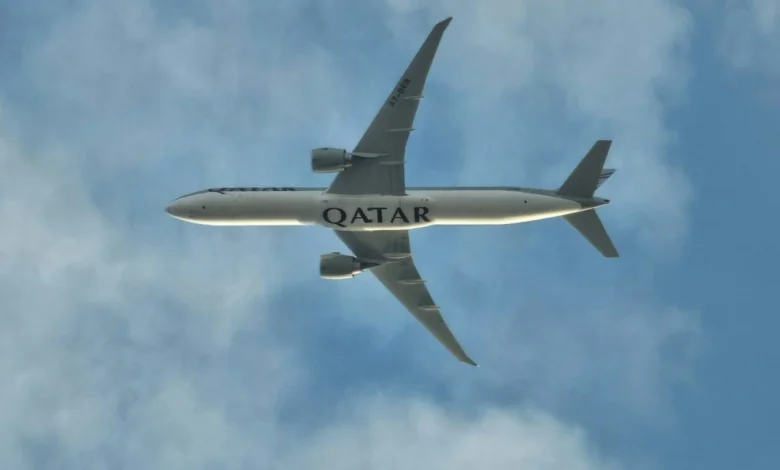
Selecting the appropriate air carrier is frequently one of the most complex decisions travelers face when planning an international itinerary. With shifting global pricing models, fluctuating fuel surcharges, and a vast array of cabin classes, consumers increasingly seek out airlines that offer a reliable balance of luxury, operational reliability, and value. Among the world’s major long-haul carriers, Qatar Airways maintains a prominent position, serving dozens of key metropolitan destinations spanning the Middle East, the Americas, Europe, Asia, and Australasia. Renowned for its industry-leading Qsuite business class product and attentive in-flight service, the airline has consistently captured international aviation accolades. For passengers embarking on milestone journeys to Doha, returning to seasonal favorites like Paris, or executing complex multi-city corporate travel, strategic booking practices can substantially mitigate the financial overhead typically associated with premium aviation. This comprehensive report examines current discount structures, seasonal sales mechanics, loyalty program enhancements, and troubleshooting methodologies designed to optimize expenditure on Qatar Airways.
The Mechanics of Seasonal Retail Events: Black Friday and Cyber Week Reductions
The modern travel landscape has adapted heavily to traditional retail holiday frameworks, with Black Friday and Cyber Week emerging as primary windows for securing high-value airfare. Major carriers frequently deploy aggressive pricing strategies during late November to stimulate advance bookings for the upcoming calendar year. Qatar Airways has historically utilized these retail periods to capture demand through targeted percentage-off promotions that bypass the necessity for cumbersome alphanumeric coupon codes.
During recent promotional windows—such as the campaign running through the end of November—the carrier has introduced structured fare reductions of up to 25% applicable to both economy and business class cabins. These promotional fares typically govern travel windows extending far in advance, occasionally covering periods up to nearly two years out, thereby offering substantial planning horizons for long-range planners. Furthermore, airlines adjusting to post-pandemic consumer demands have embedded flexibility into these discounted tiers, frequently offering a single complimentary date modification should travel schedules require alteration.
However, travelers must navigate the precise parameters governing these promotional structures. Standard fine print for such sales generally incorporates specific blackout dates—typically aligned with peak global travel periods such as the winter holidays, spring break, and mid-summer rushes—alongside mandatory minimum stay requirements, often set at seven days. Understanding these constraints prevents booking errors and ensures that the acquired discounted fare aligns seamlessly with broader itinerary requirements.
Flash Sales and Agility in Route Pricing
Beyond scheduled annual retail holidays, international carriers frequently deploy tactical flash sales to stimulate demand on specific regional corridors or to balance load factors on newly launched routes. These promotional events operate independently of major holiday calendars, appearing dynamically on airline distribution channels throughout the fiscal year.
Qatar Airways’ flash sales generally offer tiered discounts ranging up to 15% across an extensive network encompassing more than 170 global destinations. Due to the inventory-controlled nature of these sales, availability is typically highly restricted, requiring prospective passengers to act decisively. Industry analysts note that these transient pricing events are best tracked through direct airline subscription services, such as dedicated route newsletters and push notifications via proprietary mobile applications. Travel optimization experts advise maintaining pre-vanced itinerary dates and payment credentials to capitalize on these short-lived inventory releases before seat allocations are exhausted.
Specialized Demographic Initiatives: The Student Club Ecosystem
To cultivate brand loyalty among younger demographics and support the financial realities of international higher education, legacy carriers have increasingly introduced tailored demographic programs. The Qatar Airways Student Club exemplifies this approach, offering a structured loyalty pathway designed for enrolled university students aged 18 to 30.
The economic and operational benefits of the Student Club extend well beyond basic fare reductions. Enrolled members receive a progressive discount structure: 10% off their initial booking, 15% off their second and third itineraries, and up to 20% off subsequent flights executed within the program framework. In addition to direct fiscal savings, the initiative addresses common logistical pain points for scholars relocating internationally. These benefits include enhanced baggage allowances—frequently granting an additional 10 kilograms (22 pounds) or an extra checked piece depending on the specific origin and destination pair—as well as complimentary onboard high-speed Wi-Fi connectivity.
A particularly notable feature of the Student Club ecosystem is its companion provisioning. Members are permitted to designate up to three family members or friends as Student Companions, effectively extending the program’s financial and logistical benefits to traveling parties. Furthermore, consistent participation in the Student Club provides an expedited pathway toward higher tiers within the carrier’s broader frequent flyer architecture, rewarding academic travelers with priority airport services and lounge access over time.
Loyalty Infrastructure: The Privilege Club and Avios Integration
Frequent flyer programs remain the cornerstone of airline ancillary value generation. Qatar Airways operates the Privilege Club, a tiered loyalty framework utilizing Avios as its primary rewards currency. The structural integration of Avios across multiple global carriers—including British Airways and Finnair—has enhanced the utility of the currency, allowing members to pool, transfer, and redeem points across a diverse alliance network.
New account acquisition campaigns frequently incorporate sign-up incentives to drive membership growth. Promotional enrollment codes, such as specific regional activation identifiers valid through late 2026, enable new members to earn up to 4,000 bonus Avios following the completion of their inaugural qualifying flight. To successfully capture these bonuses, members must ensure their loyalty account credentials are systematically linked during the initial booking transaction.
The Privilege Club structure is bifurcated into distinct status tiers—Burgundy, Silver, Gold, and Platinum—each governed by the accumulation of Qpoints within a rolling twelve- or twenty-four-month qualification period.
- Burgundy (Entry Level): Offers baseline benefits including discounted seat selection and Avios accumulation capabilities.
- Silver Tier: Requires 150 Qpoints, unlocking priority check-in, select lounge access privileges, and supplementary baggage allowances.
- Gold Tier: Requires 300 Qpoints, providing expanded lounge access, priority boarding, and enhanced baggage privileges.
- Platinum Tier: Requires 600 Qpoints, representing the apex of the loyalty framework with maximum baggage allowances, first-class lounge access where available, and dedicated customer service channels.
Qpoints can be amassed through direct flight activity, utilization of co-branded financial products such as the Qatar Airways Privilege Club Credit Card issued by Doha Bank, consumer spending at Hamad International Airport in Doha, and vacation package bookings through specialized operators like Qatar Airways Holidays. Furthermore, the carrier frequently deploys "Double Qpoints" promotional campaigns, allowing active members to accelerate their tier progression significantly within designated travel periods.
Co-Branded Financial Partnerships and Proprietary Discount Mechanics
Strategic partnerships between global airlines and financial institutions provide an additional layer of transactional savings for frequent travelers. Co-branded credit card portfolios frequently feature ongoing cardmember benefits that intersect with core booking platforms.
Cardholders utilizing specific proprietary financial products, such as the Qatar Airways Privilege Club Credit Card, can access ongoing baseline discounts—frequently reaching up to 12% off eligible published fares—when bookings are executed directly through the official airline website or mobile application. These transactions generally require the input of specific promotional identifiers, such as the QRPCFLIGHT code, at the checkout interface. Such promotions are typically structured with long-term validity windows, extending multi-year opportunities for cardholders to systematically reduce their corporate and leisure travel expenditures.
Troubleshooting Promotional Codes and Digital Friction Management
The application of digital promotional codes, seasonal coupons, and loyalty vouchers occasionally encounters technical friction during the reservation workflow. Industry data indicates that a significant percentage of failed discount applications stem from minor data-entry discrepancies or a lack of familiarity with specific fare-basis restrictions.
When a promotional code fails to apply at checkout, travelers should systematically execute a series of diagnostic verification steps:
- Character Verification: Inspect the entry string for common visual confusions, such as mistaking numerical digits for alphabetical characters (e.g., the number zero ‘0’ versus the letter ‘O’, or the number one ‘1’ versus the lowercase letter ‘l’). Ensure no trailing or leading whitespace characters have been inadvertently copied into the text field.
- Fare-Basis and Minimum Spend Review: Examine the fine print associated with the specific marketing campaign. Many promotional codes mandate a minimum subtotal threshold (excluding government-imposed taxes, fees, and carrier-imposed surcharges) or are restricted to specific fare classes (e.g., Classic versus Convenience versus Comfort tiers in economy).
- Blackout Dates and Expiration: Confirm that the intended departure and return dates do not fall within designated blackout periods defined by the carrier. Verify that the current timestamp precedes the official expiration deadline of the promotional offer, noting the specific time zone (often Eastern Time or Coordinated Universal Time) governing the promotion’s termination.
- Browser and Cache Hygiene: Digital interference from outdated browser cookies, local cache files, or aggressive ad-blocking software can disrupt JavaScript validation scripts on airline booking engines. Clearing browser cache data, opening an incognito browsing session, restarting the client device, or migrating to an alternative web browser frequently resolves technical processing anomalies.
- Customer Support Escalation: If technical verification confirms that all operational parameters are satisfied and the system continues to reject the valid identifier, consumers should engage the carrier’s digital support infrastructure via live web chat or dedicated customer service telephone lines prior to finalizing the non-discounted transaction. Securing administrative assistance ensures that promotional rate integrity is maintained for the passenger’s itinerary.
Fact-Based Analysis and Industry Implications
The proliferation of dynamic promotional pricing, targeted demographic clubs, and multi-airline loyalty currencies reflects a broader evolution in commercial aviation distribution. Airlines increasingly utilize sophisticated revenue management systems to incentivize direct booking channels, thereby reducing reliance on third-party Global Distribution Systems (GDS) and Online Travel Agencies (OTAs) that incur high commission fees.
For the consumer, this operational shift necessitates a more active approach to travel planning. Relying solely on aggregate search engines may occasionally obscure direct-booking promotional pricing, seasonal percentage-off sales, and loyalty-exclusive credit card discounts. By combining structured loyalty membership—such as the Privilege Club or Student Club—with strategic deployment of holiday sales windows and co-branded financial instruments, international travelers can materially reduce the total cost of long-haul aviation while maximizing comfort, flexibility, and spatial allowance across global itineraries.