Navigating Airport Security: The Comprehensive Guide to TSA Liquid Rules and Lesser-Known Carry-On Exceptions

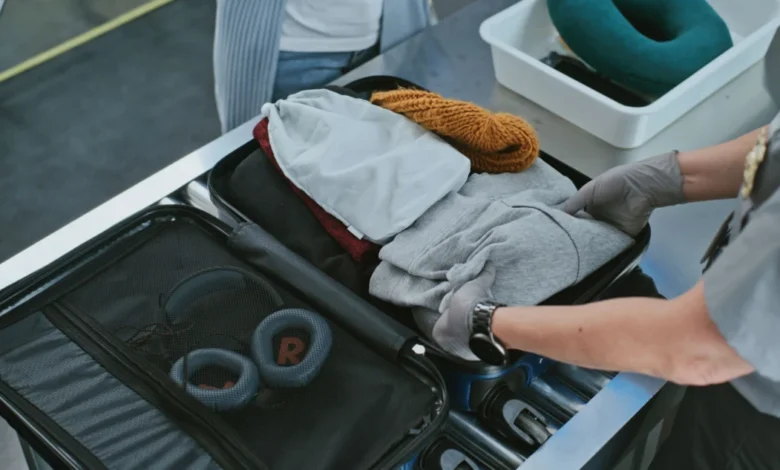
For nearly two decades, air travelers worldwide have lived by the strict parameters of the "3-1-1" rule. Packing a carry-on bag requires a meticulous ritual of downsizing cosmetics, toiletries, and beverages into containers no larger than 3.4 ounces (100 milliliters), all neatly arranged inside a single, clear, quart-sized plastic bag. This system was designed to prevent expensive perfumes, sunscreens, and shampoos from being confiscated at security checkpoints. However, while the regulation is universally recognized across the global aviation network, few passengers realize that the Transportation Security Administration (TSA) maintains a specific, codified list of exemptions. These allowances permit travelers to carry full-sized liquids, gels, and aerosols through security checkpoints, provided they follow precise protocols.
Understanding the origin of these restrictions, the technological shifts currently altering the landscape of airport security, and the exact procedures for navigating full-sized exceptions can streamline the travel experience significantly.
The Origins of the 3-1-1 Rule and Global Security Standards
The familiar restrictions on liquids, aerosols, and gels—technically categorized by security agencies as LAGs—were born out of a critical global security crisis. In August 2006, British law enforcement authorities, working alongside intelligence agencies, successfully foiled a sophisticated terror plot orchestrated by Al-Qaeda. The plan involved smuggling liquid explosives disguised as common beverages onto at least seven commercial transatlantic flights traveling from London Heathrow to major cities in the United States and Canada. The objective was to detonate the devices mid-air using improvised electronic triggers concealed in everyday items.
In response to the thwarted attack, the United Kingdom immediately raised its national threat level to critical and banned nearly all carry-on baggage. Within days, aviation authorities around the world—including the TSA in the United States—adopted emergency restrictions. These measures ultimately coalesced into the standardized 3-1-1 rule: containers must be 3.4 ounces (100 mL) or smaller, placed within 1 transparent quart-sized bag, with 1 bag permitted per passenger.
While the regulation successfully mitigated a specific threat vector, it introduced profound friction to the passenger experience. Business travelers, vacationers, and frequent flyers adapted by investing in travel-sized toiletries, solid shampoo bars, and specialized packing cubes. Yet, the friction caused by the rule also stimulated technological advancements in airport screening equipment.
Technological Evolution: The Future of the Liquid Limit
Nearly twenty years after the introduction of the 3-1-1 rule, the aviation security landscape is on the cusp of a major transformation. The primary catalyst for this change is the deployment of Advanced Technology (AT) checkpoint computed tomography (CT) scanners. Unlike older X-ray machines, which produce flat, two-dimensional images that require human operators to manually interpret complex shapes, CT scanners generate high-resolution, 3D volumetric images of carry-on luggage.
These modern systems utilize sophisticated algorithms to detect and identify hazardous materials, explosives, and liquids automatically. Because the technology can differentiate between benign substances and chemical threats in real-time, airports equipped with CT scanners can theoretically abandon the requirement to separate liquids and electronic devices from carry-on bags.
Several international aviation hubs have already begun phasing out the restriction. In the United Kingdom, major facilities such as London Heathrow Airport, London Gatwick, and Birmingham Airport have progressively implemented new scanning equipment, raising the individual liquid allowance in some instances to as much as two liters (approximately 67.6 ounces).
In the United States, the transition is proceeding at a more measured pace. A TSA spokesperson told travel publication Condé Nast Traveler that the agency "anticipates the limit on liquids will be lifted in the coming years." However, because the rollout of CT scanners varies widely by airport, terminal, and security lane, the 3-1-1 rule remains strictly enforced nationwide. During this protracted transitional period, consistency across domestic and international airports remains elusive, leaving passengers responsible for checking local guidelines before departure.
Ten Major Exceptions to the Standard Liquid Rule
While standard rules apply to everyday cosmetics and beverages, the TSA recognizes that numerous essential items cannot realistically be downsized to 3.4 ounces. To accommodate medical necessities, nutritional needs, and specialized transport requirements, the agency maintains clear exemptions. Bringing these items through security requires adherence to specific protocols: travelers must proactively declare oversized items to security officers before screening and place them in separate bins for inspection.
1. Prescription Medications
Medications prescribed specifically for an individual traveler represent the most common exemption to the liquid rule. The TSA strongly recommends that prescription liquids, gels, and aerosols are clearly labeled with the patient’s name to verify contents.
Depending on checkpoint configurations, prescription medications may undergo visual screening, X-ray evaluation, or specialized testing for trace explosives. If security personnel cannot definitively clear a container via standard screening methods, the traveler may be asked to open the item for vapor analysis. Crucially, the TSA maintains a strict policy: officers will never insert testing strips or foreign objects directly into medically necessary liquids.

Passengers who object to X-ray scanning or container opening can request alternative screening procedures. By notifying the TSA officer in advance, travelers can opt out of X-rays for their medication, though this choice triggers secondary screening protocols. These may include Advanced Imaging Technology (AIT) screening, a physical pat-down, and a comprehensive inspection of all carry-on property. Notably, prescription wet pet food does not qualify as a medical exception; even when prescribed for service animals, it must comply with standard 3-1-1 limits.
2. Over-the-Counter Liquid Medications and Contact Lens Solution
Non-prescription liquid medications are generally subject to the 3.4-ounce limit unless they fall under the category of medically necessary items required in reasonable quantities for the duration of a trip. This includes essential health items such as liquid inhalers, insulin (which should be placed in a separate bin for X-ray screening), and nebulizer solutions.
Contact lens solution also falls into this therapeutic gray area. While larger bottles are technically permitted when declared as medical accessories, the TSA issues a distinct operational warning: certain contact lens solutions contain chemical compositions that frequently trigger alarms on screening equipment. Because these items may be rejected at the checkpoint, the agency routinely recommends packing contact lens solutions exceeding 3.4 ounces inside checked luggage.
3. Ice Packs and Frozen Water Bottles
Travelers utilizing coolers to transport perishable items or medical goods on aircraft are permitted to bring gel ice packs, freezer packs, and frozen water bottles through security checkpoints. This provision also extends to liquid-filled teething rings, providing relief for parents traveling with young children.
However, the physical state of the cooling agent is critical. The item must be completely frozen solid when it passes through the X-ray machine. Any portion of the ice pack that has melted into a slushy consistency, or any accumulated liquid pooled at the bottom of the container, disqualifies the item from the exception and subjects it to the standard 3-1-1 volume limits.
An explicit exception to this rule applies to medically necessary cooling agents. Gel ice packs used to preserve breast milk, intravenous (IV) bags, medical pumps, and syringes are permitted in reasonable quantities even if they are partially melted, thawed, or slushy.
4. Breast Milk and Infant Formula
Traveling with infants presents distinct logistical challenges, prompting the TSA to categorize breast milk and baby formula as medically necessary liquids. The presence of the infant is not required for a traveler to qualify for this exemption.
The agency recommends—though does not strictly mandate—that these liquids be transported in clear or translucent bottles to facilitate rapid analysis via specialized Bottle Liquid Scanners. Liquid stored in soft pouches may be more difficult to scan, increasing the likelihood of additional manual checks. As with medical prescriptions, officers may ask parents to open containers, but they are strictly prohibited from placing any foreign substances inside the liquid.
If parents object to X-ray screening for breast milk or formula, alternative testing methods can be requested upon notification. While baby powder is not officially classified as a liquid, powder-like substances exceeding 12 ounces must be placed in a separate bin for inspection, though the TSA advises packing large quantities of powder in checked baggage whenever possible.
5. Baby and Toddler Food and Drinks
In alignment with infant nutrition policies, food and beverages formulated specifically for babies and toddlers are exempt from standard liquid rules. This category encompasses infant juices, commercially prepared puree pouches, and specialized waters for infants.
While these items are permitted in reasonable quantities for the duration of the flight, parents must remove them from carry-on bags and present them in separate bins for individual screening by security personnel.
6. Non-Spillable Wet Batteries
Portable electronic devices frequently require auxiliary power sources, including non-spillable wet batteries containing absorbed electrolytes, gel cells, or absorbed glass mat (AGM) technologies.
The TSA permits these batteries in carry-on luggage under strict technical parameters: the equipment must feature built-in protection against accidental activation and heat generation. Furthermore, the battery must possess a voltage rating of 12 volts or less and a capacity under 100 watt-hours. Passengers are strictly limited to carrying a maximum of two spare non-spillable batteries.

7. Fresh Eggs
Agricultural products containing liquid components—specifically fresh shell eggs—are exempt from the 3-1-1 volume restriction. Travelers are permitted to pack fresh eggs in carry-on bags.
However, because the dense internal composition of eggs can obscure X-ray imaging, security officers frequently require passengers to remove cartons from their luggage for secondary screening. To ensure a smooth checkpoint experience, travelers transporting eggs are advised to pack them in uncluttered compartments that allow for rapid physical or digital inspection.
8. Live Fish and Aquatic Life
Aquatic animals transported for hobbyist or professional purposes, including live fish and live coral submerged in water, are permitted in carry-on luggage. Because these organisms require sustained aquatic environments to survive transit, they are exempt from the 3.4-ounce limit.
However, live specimens must be housed in clear, transparent containers that allow security personnel to perform visual inspections without opening the vessel. While certain commercial airlines also permit live lobsters in the cabin, the TSA strongly recommends reviewing individual airline policies before arrival to avoid confiscation at the gate.
9. Scientific and Biological Specimens
Research facilities and academic institutions frequently require the transport of biological materials. Non-infectious specimens preserved in liquid solutions—such as formaldehyde, ethanol, isopropanol, or other alcohols—are permitted through security checkpoints when intended strictly for scientific research.
These materials are subject to rigorous packaging requirements under federal regulations (49 CFR 173.4b). The scientific preparations must be contained within a heat-sealed inner plastic bag holding no more than 30 milliliters of free liquid. The total volume within the outer packaging cannot exceed one liter, and the exterior packaging must display a clear label reading: "Scientific research specimens, 49 CFR 173.4b applies."
10. Duty-Free Items in Tamper-Evident Bags
International itineraries frequently route passengers through airport duty-free retail zones, where regional products such as Canadian maple syrup, French wine, or South African sauces are sold. Liquid souvenirs purchased abroad can be brought onto connecting or inbound flights, provided they meet specific global security standards.
The exemption applies only if the retail purchases are sealed by the vendor inside an official Security Tamper-Evident Bag (STEB). The packaging must show no evidence of tampering, and the transaction must have occurred within the preceding 48 hours. Travelers must retain their original retail receipts as proof of purchase.
This standardized framework was established in 2008 by the International Civil Aviation Organization (ICAO) to reconcile disparate security rules across international borders. For travelers entering the United States, duty-free liquid exemptions apply specifically to inbound international flights. Passengers should verify whether their departure airport utilizes the STEB system, as not all global retailers participate in the program.
Broader Implications and Best Practices for Travelers
The persistence of the 3-1-1 rule, balanced against a growing matrix of exceptions and emerging checkpoint technologies, underscores the complexity of modern aviation security. While the long-term trajectory points toward the eventual elimination of liquid volume limits as CT scanners become ubiquitous, the immediate reality requires careful preparation.
For travelers relying on exemptions—whether for medical needs, infant care, or specialized equipment—success at the security checkpoint depends on proactive communication. Declaring oversized items before screening begins, utilizing clear containers, and organizing carry-on luggage to facilitate rapid inspection minimizes delays for both the passenger and security personnel. As the aviation industry navigates this transitional era, understanding the nuances of these regulations remains the most effective tool for a seamless travel experience.