For urban explorers, ascending to an elevated vantage point is a time-honored ritual for deciphering a new metropolis. From the skeletal ironwork atop Barcelona’s Casa Milà to the historic spiraling ramp of Copenhagen’s Round Tower, mapping a destination from the skies allows travelers to synthesize their itineraries, identifying the neighborhoods they traversed and the districts left undiscovered. This geographical orientation fosters an immediate sense of intimacy with a skyline that once appeared foreign. For longtime residents, however, such iconic tourist landmarks are frequently bypassed in favor of neighborhood haunts. Having lived in the New York City metropolitan area for half a decade, this reporter had continuously marveled at Midtown Manhattan’s most famous Art Deco sentinel entirely from street level. Recently, on a clear September morning, that long-standing omission was corrected at 350 Fifth Avenue, offering a comprehensive look at one of the world’s most enduring architectural achievements.
Architectural Legacy and Historical Chronology
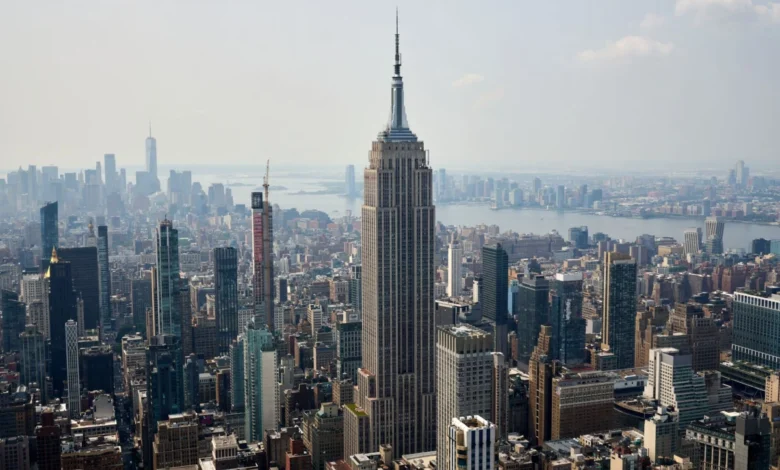
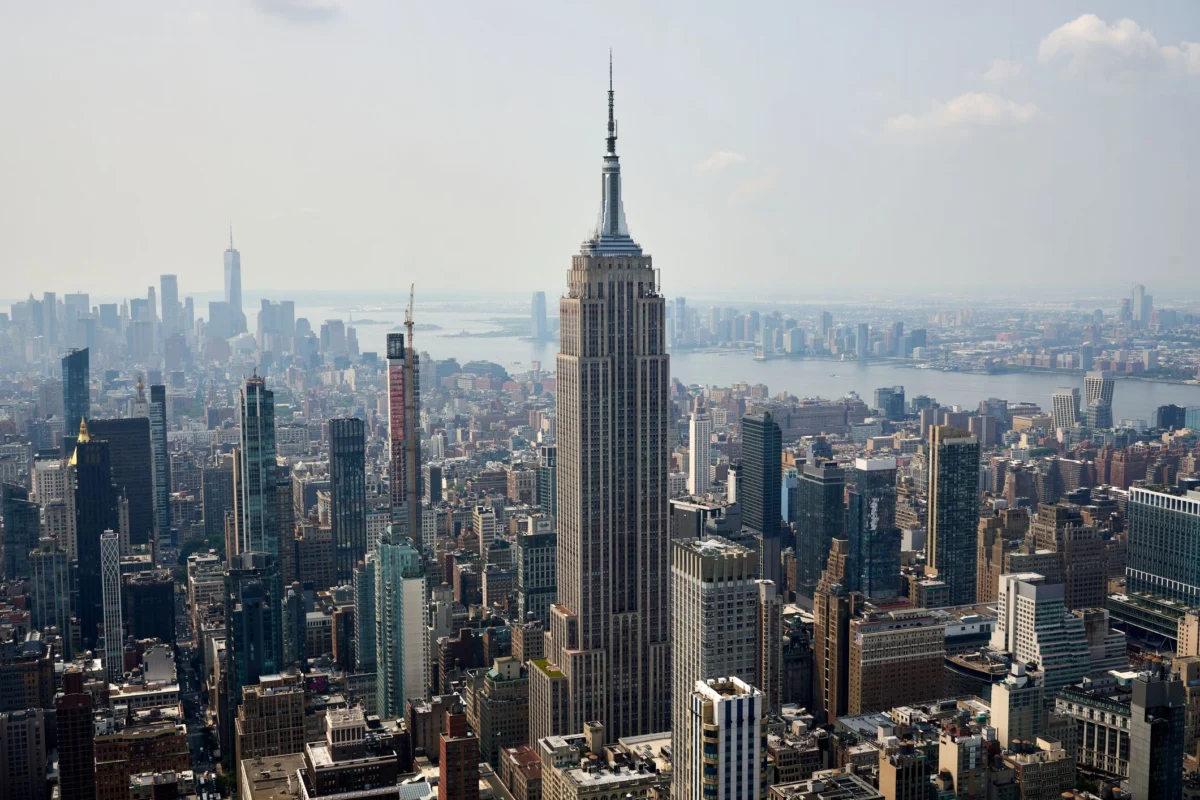
Rising 1,454 feet above Midtown Manhattan, the Empire State Building remains a defining monument of the 20th-century American skyline. Designed by the architectural firm Shreve, Lamb & Harmon, the 102-story skyscraper was constructed during the height of the Great Depression between March 1930 and May 1931. Driven by intense competition to build the world’s tallest structure—pitting it directly against downtown Manhattan’s 40 Wall Street and the Chrysler Building—the project proceeded at a breakneck pace. Construction crews erected an average of four and a half stories per week, culminating in an astonishing total construction time of just 13 months.
Upon its completion, the Empire State Building claimed the title of the world’s tallest building, a distinction it held for nearly four decades until the completion of the World Trade Center’s North Tower in 1970. Today, it stands as the eighth-tallest building in New York City, accommodating over 150 corporate tenants, including major technology and enterprise firms such as LinkedIn, Workday, and Expedia. Despite the proliferation of ultra-tall super-slender residential towers across Manhattan in recent years, the building continues to welcome more than 2.5 million visitors annually to its observation decks.
Modernization and Visitor Experience
The enduring global appeal of the Empire State Building is matched by its ubiquity in popular culture, having been featured in more than 250 films and television programs, most notably immortalized by the climatic finale of the 1933 classic King Kong. To maintain its competitive edge among modern observation decks—such as One World Observatory, SUMMIT One Vanderbilt, and Edge at Hudson Yards—ownership completed a massive four-year, $165 million modernization project in 2019.
This multi-phase renovation fundamentally transformed the visitor journey. Guests no longer navigate straight to the elevators; instead, they are routed through an expansive, immersive museum on the second floor. These interactive historical galleries chronicle the grueling physical labor, architectural innovations, and economic context of the building’s 1930s construction. Visitors also encounter "NYC: Above and Beyond," a remarkable mural by artist Stephen Wiltshire, who constructed the sprawling cityscape illustration entirely from memory following a brief 45-minute helicopter tour.
The renovation also upgraded the 80th-floor exhibition spaces and completely redesigned the 102nd-floor observatory, replacing restrictive historic windows with floor-to-ceiling glass panes that afford unobstructed panoramic views.

Ticketing Protocols and Strategic Access
Operating 365 days a year regardless of weather conditions, the Empire State Building utilizes a structured, timed-ticketing system introduced in the wake of the COVID-19 pandemic to mitigate overcrowding and streamline visitor flow through security checkpoints.
According to Dan Rogoski, senior vice president and observatory general manager, advance online reservations via the official portal (esbnyc.com) or authorized third-party vendors such as Viator and GetYourGuide are strongly advised. "We strongly recommend that guests purchase tickets in advance on our website to secure their preferred date and time, particularly during holidays and other peak periods, such as sunset," Rogoski notes. However, travelers with flexible schedules can successfully acquire same-day admissions through on-site touchscreen kiosks located nearby at 12 West 34th Street.
General admission pricing is tiered primarily by elevation. Access to the historic 86th-floor open-air observatory starts at $46, while bundled tickets incorporating the enclosed 102nd-floor observatory are priced at $81. Both options include full admission to the second- and eightieth-floor museum galleries and feature flexible rescheduling policies for the selected date. Premium and VIP tiers—ranging from the $175 "Premium Experience" for small groups to the $500 "All Access Tour"—provide private entrances, celebrity green room access, and guided accompaniment. For tourists undertaking a comprehensive sightseeing itinerary of New York City, multi-attraction bundles such as the New York CityPass or GoCity’s New York Pass offer discounted cumulative pricing.
Strategic Timing and Optimal Viewing Conditions
Maximizing the value of a visit to Midtown Manhattan’s most famous spire requires careful consideration of timing and seasonal shifts. While sunset and early morning hours represent peak demand windows—particularly for the seasonal sunrise experience operating through October—statistical visitor flow indicates that the hours between 1:00 PM and 4:00 PM experience the lowest volume of foot traffic.
For travelers prioritizing atmospheric photography and comfortable weather, shoulder seasons such as spring and autumn provide optimal conditions. During these months, surrounding urban parks, including Central Park, display vibrant seasonal foliage or cherry blossoms, while the outdoor 86th-floor wrap-around deck remains comfortable. In contrast, winter visits offer crisp, extraordinarily clear visibility reaching up to six states—New York, New Jersey, Pennsylvania, Connecticut, Massachusetts, and Delaware—supplemented by overhead radiant heaters installed on the open-air promenade.
Broader Urban Implications and Tourism Economics
The enduring popularity of the Empire State Building underscores a broader shift in urban tourism economics: the commercial viability of heritage architecture in a modern metropolis. As contemporary supertall skyscrapers redefine the physical boundaries of the New York skyline with high-tech thrills and glass-floored ledges, older historic assets must continuously reinvest in digital integration, historical preservation, and visitor curation.
By balancing its identity as an active corporate workplace with a world-class cultural institution, the Empire State Building has successfully preserved its architectural integrity while adapting to modern consumer expectations. For first-time visitors and veteran residents alike, the journey past the Art Deco granite of the 34th Street entrance to the windswept heights of the 86th floor remains an essential touchstone—not merely for what can be seen from the summit, but for the profound historical context it provides to the city unfolding below.