Ms. Rachel and Macklemore Join Forces for Palestine Relief as Industry Tensions Over Celebrity Activism Mount

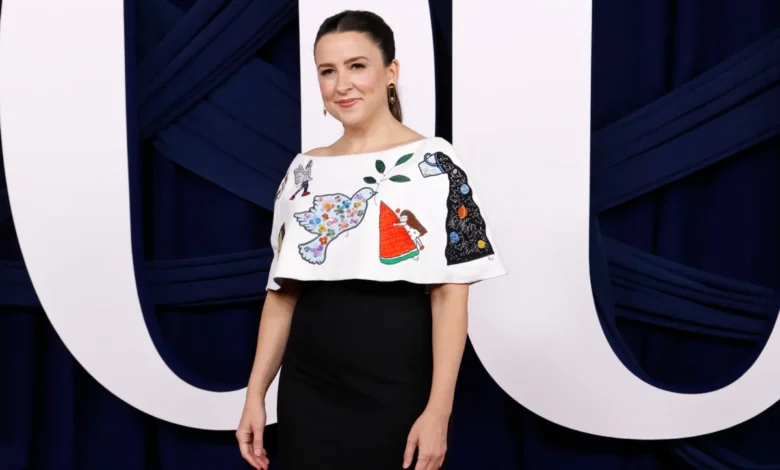
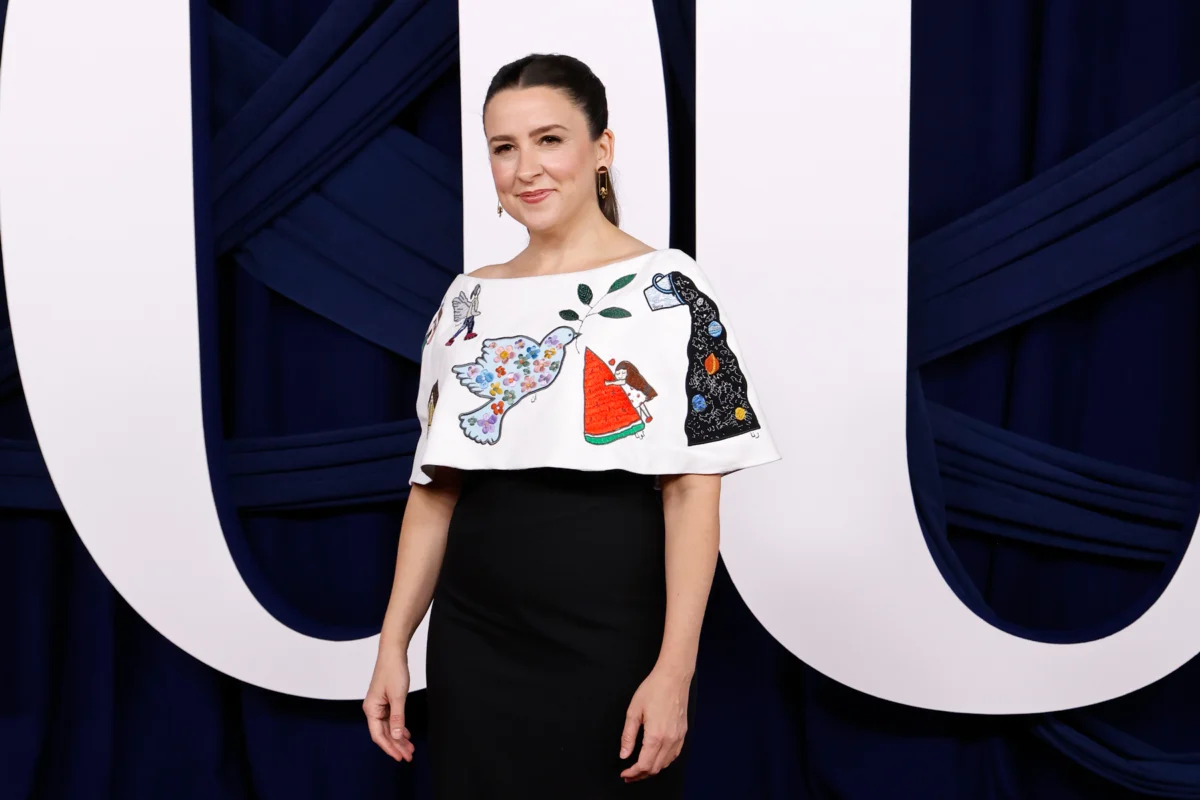
The intersection of global humanitarian crises and the entertainment industry has reached a volatile flashpoint following a series of high-profile philanthropic pledges and professional fallout. Rachel Accurso, the creator behind the globally recognized children’s educational brand Ms. Rachel, has pledged a $1 million donation to the Palestine Children’s Relief Fund (PCRF). This commitment directly matches a donation recently announced by hip-hop artist Macklemore, who has been at the center of a public controversy regarding his removal from Ed Sheeran’s ongoing concert tour. The moves by both performers highlight a growing trend of high-profile figures utilizing their personal wealth and platforms to engage in geopolitical advocacy, despite the risk of professional and commercial repercussions.
The Chronology of the Loop Tour Controversy
The friction between political advocacy and live performance logistics began to surface in early September. On September 4 and 5, at New Jersey’s MetLife Stadium, Macklemore served as a supporting act for Ed Sheeran. During his set, the rapper, known for his long-standing history of political activism, vocalized his support for the Palestinian people, explicitly calling for a "free Palestine" and discussing the humanitarian catastrophe currently unfolding in Gaza.
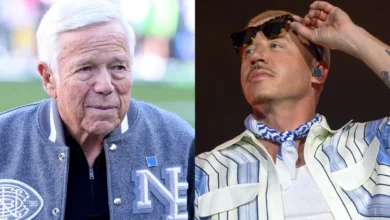
Following these performances, it was reported that Macklemore would not continue on the remaining eight dates of the tour. The situation intensified when it was revealed that the artist’s removal was not a mutual decision but a result of external pressure. Reports indicated that New England Patriots owner Robert Kraft, whose influence extends into the management of large-scale sports and entertainment venues, had actively lobbied to prevent the rapper from performing at Gillette Stadium. The Wall Street Journal subsequently reported that this pressure campaign extended to other venue owners, creating a logistical ultimatum for Sheeran: remove the artist or face the cancellation of the tour’s remaining stops.
The ripple effect was immediate. Following Macklemore’s exit, a wave of other supporting acts—including Finneas, Lukas Graham, Beoga, and Aaron Rowe—withdrew from the tour. These artists cited a combination of ideological alignment with the Palestinian cause and solidarity regarding the issue of artist suppression within the music industry.
The Humanitarian Landscape and Financial Commitments
The donations announced by Macklemore and Accurso come at a time of extreme distress for humanitarian organizations operating in the Middle East. Macklemore’s $1 million pledge is being distributed across six critical organizations: the Palestine Children’s Relief Fund, HEAL Palestine, the Gaza Soup Kitchen, Medical Aid for Palestinians, the UN Relief and Works Agency (UNRWA) USA, and Anera.
These organizations are currently grappling with the logistical challenges of providing aid in a conflict zone where international health organizations, including the World Health Organization (WHO) and UNICEF, have reported that over 20,000 children have been killed since the escalation of hostilities in October 2023. The lack of access to basic sanitation, medical supplies, and food has created what aid agencies describe as an "unprecedented humanitarian emergency." By funneling resources into these specific entities, the artists are attempting to provide direct aid to civilians in Gaza and the West Bank, emphasizing that their objective is the preservation of human life regardless of the political climate.
Ed Sheeran’s Stance and the Dilemma of Platform Neutrality
In response to the mounting pressure and the subsequent loss of his supporting lineup, Ed Sheeran issued a public statement addressing the complexities of the situation. Sheeran emphasized a desire to maintain his professional platform as a neutral space, citing the sensitivity required when performing for audiences that include young children from diverse backgrounds.
"There is a reason I do not use my professional platform for politics," Sheeran noted. "My audience includes young people, often children, of all backgrounds. Those who come to my shows do not expect a political forum." While acknowledging his respect for Macklemore’s conviction, Sheeran defended his decision by highlighting the logistical reality of the tour, stating that he was forced to choose between the continuation of his professional obligations and the potential disruption caused by the controversy. The statement underscored a fundamental divide in the entertainment industry regarding the role of artists: whether a performer’s stage is a personal vehicle for social commentary or a curated space for professional entertainment.
Accurso’s Advocacy and the Shift in Children’s Media
Rachel Accurso’s involvement marks a significant shift in the landscape of children’s media. Traditionally, entertainers in this sector maintain a strict separation from political discourse to avoid alienating their diverse parent demographics. However, Accurso has rejected this convention, citing a moral mandate to leverage her influence.
In an interview regarding her advocacy, Accurso stated, "You’re going to lose this partnership. You’re going to lose views. That doesn’t faze me because the kids gave me the platform. I’m going to stand with them no matter what." Her history of activism—which includes vocal opposition to the separation of migrant families at the U.S.-Mexico border and fundraising for famine relief in Sudan—suggests a long-term commitment to human rights advocacy. By calling on other "wealthy white celebrities" to match her donation, Accurso is attempting to normalize the integration of humanitarian activism into the professional identity of high-profile figures.
Industry Implications and Future Outlook
The controversy surrounding the Loop Tour serves as a case study for the risks associated with public political expression in the modern music industry. The involvement of venue owners in the booking process of musical acts suggests a shifting power dynamic where financial stakeholders and venue operators exert significant influence over the content of performances.
For the music industry, this creates a precedent where "neutrality" may become a contractual expectation. However, as artists like Macklemore and Accurso demonstrate, there is a counter-movement among creators who believe that silence in the face of humanitarian crises is, in itself, a political act.
The economic implications are also noteworthy. By choosing to donate significant portions of their earnings to humanitarian aid, these artists are effectively bypassing traditional media influence campaigns, opting instead for direct financial intervention. This approach may inspire a new model of celebrity philanthropy, where the focus shifts from awareness-raising to direct, large-scale financial support for non-governmental organizations.
As the situation in the region continues to dominate global discourse, the entertainment industry will likely face increased scrutiny regarding how it handles the intersection of art and activism. The actions taken by Accurso and Macklemore have established a high bar for accountability, ensuring that the debate over the responsibility of public figures will remain a focal point for the foreseeable future. Whether this will lead to a more permissive environment for artistic expression or a tighter clampdown by stakeholders remains to be seen, but the clear lines drawn by all parties involved indicate that the era of "apolitical" entertainment is facing a period of intense, and likely permanent, transformation.