Beyond Fiber: New Research Reveals How Plant Proteins Shape Gut Health and Metabolic Destiny

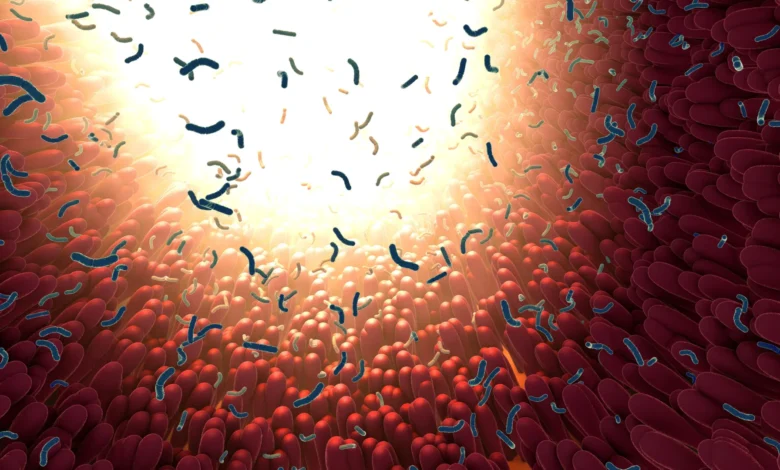
The scientific consensus that a plant-rich diet fosters human longevity has long been attributed to the digestive benefits of fiber, but recent breakthroughs suggest the traditional narrative is incomplete. New research led by scientists at Princeton University and the Ludwig Institute for Cancer Research has identified an overlooked class of plant-derived proteins that resist human digestion, acting as a critical, previously unmapped partner to fiber in regulating the gut microbiome. These findings, published across two major journals, fundamentally alter our understanding of how dietary intake influences the chemical environment of the digestive tract and the body’s own metabolic processes.
The Evolution of Gut Microbiome Research
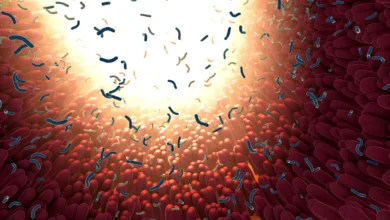
For decades, the gut microbiome—a complex ecosystem of trillions of microorganisms—has been the focus of intense biomedical scrutiny. Scientists have established that these microbes perform essential tasks, from synthesizing vitamins to training the immune system. The conventional wisdom held that dietary fiber was the primary fuel source for these bacteria, providing the substrate necessary to generate beneficial metabolites.
However, this paradigm failed to fully explain why certain plant-based diets yield superior health outcomes in some patients while producing varied results in others. The missing link, according to the research team led by Jenna AbuSalim and Joshua Rabinowitz, lies in the interplay between fiber and specific plant proteins that bypass initial digestion. By identifying these "proteins imitating fiber," or Prifs, researchers have begun to decode a sophisticated chemical language that dictates whether gut bacteria produce life-sustaining compounds or toxins linked to chronic illness.
Chronology of the Discovery
The research effort, which spanned several years, was defined by two distinct investigative tracks. The first study, published in the Proceedings of the National Academy of Sciences (PNAS), utilized advanced isotope tracing to map the metabolic fate of plant-derived nutrients. By labeling proteins with non-radioactive isotopes, the researchers could track their movement through the digestive tracts of mice with unprecedented precision.
The second phase, published in Nature Metabolism in June, focused on the origin of circulating metabolites—compounds found in the blood that influence systemic health. By comparing the metabolic outputs of mice and human cells against the activity of gut microbes, the team challenged the long-held assumption that the microbiome is the sole manufacturer of all health-relevant metabolites. This dual-pronged discovery process has effectively dismantled the previous "microbe-only" theory of metabolite production, suggesting that the human body and its microbial residents are far more collaborative than previously understood.
The Role of Prifs and the Mechanics of Gut Chemistry
The PNAS study focused on phenol metabolites, which are generated when gut bacteria break down amino acids such as tyrosine and phenylalanine. The researchers discovered that the metabolic outcome depends on the availability of specific dietary inputs. When bacteria consume tyrosine, they produce p-cresol sulfate and phenol sulfate, compounds that have been linked to systemic toxicity, particularly in patients with compromised kidney function or cancer.
Conversely, the breakdown of phenylalanine leads to the production of phenylpropionate and hippuric acid, which are strongly correlated with healthy body weight and robust gut barrier function. The breakthrough came when the team observed that Prifs—those indigestible plant proteins—act as a "metabolic switch." When present alongside fiber, these proteins encourage bacteria to prioritize the production of the healthful phenylalanine-derived compounds while suppressing the creation of the harmful tyrosine-derived ones.
This discovery introduces a new layer of complexity to nutritional science. It suggests that the nutritional value of a plant is not merely defined by its fiber content, but by the ratio and type of proteins that survive the upper digestive tract to nourish the microbiome.
Protecting the Mucus Layer: A Biological Defense
One of the most concerning findings in the study involves the origin of harmful metabolites. When fiber intake is low, gut bacteria become "starved," prompting them to scavenge for energy in the host’s own body. The research revealed that these bacteria will feed on the protective mucus lining of the intestines.
This mucus layer is vital; it acts as a physical barrier, preventing direct contact between intestinal microbes and the host’s epithelial cells. When bacteria degrade this layer to produce energy, they simultaneously generate harmful phenols and expose the gut lining to inflammation. Fiber serves as a critical buffer, providing the bacteria with a preferred energy source so they do not consume the host’s protective barriers. Prifs complement this action by providing an additional, specialized fuel source that further steers microbial metabolism toward health-promoting outputs.
Challenging the Microbial Monopoly
The second study, published in Nature Metabolism, represents a significant shift in biological theory. Scientists have historically assumed that metabolites such as indole-3-lactate and indole-3-acetate were produced almost exclusively by gut bacteria. Based on this, pharmaceutical and nutritional interventions have focused heavily on manipulating the microbiome to boost these levels.
Using isotope tracing in both animal models and human cells, the researchers found that mammalian cells are independently capable of generating these compounds. When the team depleted the gut microbiome using broad-spectrum antibiotics, they expected the levels of these metabolites to plummet. Instead, many remained stable, confirming that the body’s own internal metabolism plays a far more active role in systemic chemistry than once believed.
This has profound implications for future therapies. If a patient is suffering from a condition related to a deficiency of these metabolites, simply taking a probiotic may be ineffective if the body’s own metabolic pathways are the primary producers. Future treatments may need to target the host’s own cellular metabolism alongside, or instead of, the microbiome.
Implications for Public Health and Nutrition
The findings from the Ludwig Institute for Cancer Research have begun to ripple through the medical community. Dr. Joshua Rabinowitz, a professor at Princeton and Director of the Princeton Branch of the Ludwig Institute, suggests that these insights may eventually change how we view food labeling. "Food packaging may eventually list Prif right below fiber," Rabinowitz noted, emphasizing that current nutrition labels are incomplete representations of a food’s biological impact.
The broader implications are significant for several high-impact medical fields:
- Cancer Therapy: Since certain metabolites influence tumor growth and the immune system’s ability to target cancer, understanding the exact origin of these compounds is vital for oncology.
- Inflammatory Bowel Disease (IBD): The role of Prifs in protecting the gut mucus layer suggests new dietary interventions for patients suffering from chronic gut inflammation.
- Metabolic Disease: By clarifying how diet shapes the metabolic output of the gut, doctors may be able to offer more precise dietary prescriptions to combat obesity and type 2 diabetes.
Future Research Directions
While the results are groundbreaking, the researchers emphasize that they are primarily based on laboratory and animal studies. The next frontier is human clinical trials to determine the long-term effects of Prif-rich diets on diverse human populations. There is also a need to catalog which specific plant sources contain the highest concentrations of these indigestible proteins, as current agricultural data does not distinguish between different types of plant protein digestibility.
The scientific community is now faced with the challenge of integrating these two discoveries into standard practice. As doctors and nutritionists begin to look beyond fiber, the focus will likely shift toward a "systems biology" approach—one that accounts for the complex feedback loop between the food we eat, the bacteria we host, and the metabolic machinery within our own cells.
This research marks a departure from the reductionist views of the past, acknowledging that human health is not governed by a single nutrient or a single biological actor, but by a delicate, three-way interaction. By identifying Prifs as a hidden dietary variable, scientists have opened a new door into the mechanics of human longevity, providing a clearer roadmap for the development of future nutritional strategies and personalized medicine.