New NIH Study Links Persistent Forever Chemicals to Elevated Risk of Aggressive ER-Negative Breast Cancer

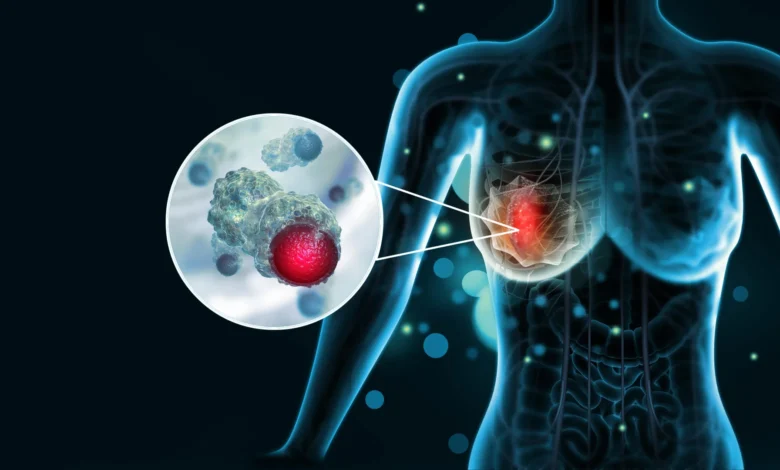
A groundbreaking study conducted by the National Institutes of Health (NIH), a cornerstone agency within the U.S. Department of Health and Human Services (HHS), has established a statistically significant correlation between elevated blood concentrations of legacy per- and polyfluoroalkyl substances (PFAS) and the development of estrogen receptor-negative (ER-negative) breast cancer. While the study does not establish a direct causal link, the findings provide critical insight into the potential environmental triggers for one of the most aggressive and difficult-to-treat forms of the disease.
The research, published in the Journal of Clinical Oncology, identifies perfluorooctanoic acid (PFOA) and perfluorooctanesulfonic acid (PFOS) as primary areas of concern. These substances, members of a vast chemical family known for their durability in both the environment and human tissue, were found to be present in higher concentrations among women who later developed ER-negative tumors. Notably, the study found no such association between these specific chemicals and breast cancer risk when analyzing the disease as a general category, suggesting that PFAS may interact with specific biological pathways that drive aggressive, non-hormonal tumor growth.
The Nature of Forever Chemicals and Environmental Persistence
PFAS chemicals have been foundational to modern manufacturing since the mid-20th century. Due to their unique carbon-fluorine bonds, these substances are highly resistant to degradation by heat, water, and oil. This durability made them ideal for a wide array of consumer applications, including non-stick cookware, water-repellent clothing, stain-resistant carpeting, and specialized firefighting foams.
However, the same properties that make them useful also render them hazardous to public health. PFAS are labeled "forever chemicals" because they do not break down naturally in the environment; instead, they persist in water tables, soil, and agricultural runoff. Once they enter the human body—often through contaminated drinking water or the consumption of food packaged in PFAS-treated materials—they accumulate in the blood and organs, remaining there for years, if not decades.
The widespread nature of this contamination has led to national concern. According to data from the Environmental Protection Agency (EPA), nearly every American carries some level of PFAS in their bloodstream. The NIH study underscores the urgency of addressing these legacy exposures, even as the global industry attempts to transition toward newer, theoretically safer alternatives.
Chronology of the Sister Study and Methodology
The findings are derived from the Sister Study, a comprehensive, long-term research initiative spearheaded by the National Institute of Environmental Health Sciences (NIEHS). Launched between 2003 and 2009, the study recruited 50,884 women across the United States and Puerto Rico. The cohort was specifically selected to include women who had a sister diagnosed with breast cancer, providing a controlled environment to study the interplay between genetic predisposition and environmental factors.
For this specific analysis, researchers performed a nested case-control study using blood samples stored from the time of enrollment. The team analyzed samples from 1,609 women who had developed breast cancer during the follow-up period and compared them against a control group of 2,269 women who remained cancer-free.
The timeline of the investigation was meticulous:
- 2003–2009: Recruitment of the Sister Study cohort.
- 2010–2020: Ongoing monitoring and collection of health outcomes and exposure data.
- 2023–2024: Laboratory analysis of 17 distinct PFAS variants in historical blood samples.
- Late 2024: Finalization of data, confirming the link between PFOA/PFOS and ER-negative cancer through meta-analysis.
Quantifying the Risk: Statistical Findings
The results of the study were striking, particularly regarding the disparity between high and low exposure groups. When isolating ER-negative breast cancer, the data showed that women in the highest quartile of PFOA exposure had a 67% higher rate of diagnosis compared to those in the lowest quartile. The association for PFOS was even more pronounced, with the highest exposure group demonstrating a 93% increased risk—nearly double that of the baseline group.
It is essential to clarify that these figures reflect relative risk within the study population. They do not imply that 93% of women with high PFOS levels will develop cancer. Instead, the study provides a vital statistical indicator that these chemicals contribute to a biological environment conducive to the formation of aggressive tumor types. The researchers adjusted for various potential confounding variables, including reproductive history, body mass index, and socioeconomic factors, ensuring that the association with PFAS remained robust.
Official Responses and Public Health Policy
The release of the study has prompted swift responses from federal health leadership. HHS Secretary Robert F. Kennedy, Jr. emphasized the government’s commitment to transparency regarding environmental health. "Women deserve clear answers about how chemicals in their environment may affect their health," Secretary Kennedy stated. "This NIH study links two forever chemicals to a higher risk of ER-negative breast cancer and demands further investigation. Under President Trump’s leadership, we will pursue the evidence, confront environmental health risks, and give women the information they need to protect their health."
The scientific community, led by NIH Stadtman Investigator Dr. Alexandra White, views these findings as a pivot point for breast cancer research. "Our findings, which we confirmed using a meta-analysis of prior research, indicate that certain legacy PFAS, including PFOA and PFOS, are associated with a higher risk of ER-negative breast cancer, a more aggressive tumor type with few known risk factors," Dr. White explained.
Implications for ER-Negative Cancer Treatment
ER-negative breast cancer is clinically distinct from the more common estrogen-receptor-positive (ER-positive) cancers. Because the tumor cells do not rely on estrogen to grow, they do not respond to common hormone-blocking therapies, such as tamoxifen or aromatase inhibitors. Consequently, treatment is often limited to chemotherapy, surgery, and radiation, which generally results in more difficult recovery processes and higher recurrence rates.
The discovery that PFAS might be a contributing factor opens new doors for prevention and public health intervention. If these chemicals are indeed disrupting pathways unrelated to hormonal signaling—perhaps through epigenetic changes or immune system suppression—it could lead to the development of new diagnostic screenings or preventative measures for women identified as having high environmental exposure.
Future Directions: Beyond Legacy Chemicals
While PFOA and PFOS have been largely phased out of manufacturing in the United States, they remain a public health concern due to their environmental persistence. The study authors emphasize that the next phase of research must address two critical questions:
- The "Replacement" Problem: As manufacturers have transitioned to newer PFAS compounds, have these replacements inherited the same carcinogenic potential?
- Mitigation Strategies: What clinical or behavioral interventions can effectively lower the body burden of these chemicals in the general population?
Dr. Che-Jung Chang, the lead author of the paper, highlighted the potential for individual action. "Although PFAS are persistent in the environment and in our bodies, exposure to them is still potentially modifiable, meaning people can take steps to reduce their exposure, and these findings could open new avenues for prevention."
The broader implications of this study suggest that environmental health must be integrated more deeply into the oncology conversation. As researchers continue to analyze the data from the Sister Study, the scientific community expects a surge in interest regarding how other environmental toxins might be fueling the rise of aggressive, non-hormonal cancers.
The study, supported by grants from the NIEHS, serves as a stark reminder that the chemical footprint of the 20th century continues to influence 21st-century health outcomes. By identifying these specific associations, the NIH has provided a clearer roadmap for future regulatory action and public health awareness, potentially shifting the focus of cancer prevention from purely genetic or lifestyle factors to a more comprehensive understanding of the total environmental exposome. As federal agencies move to strengthen water safety standards and further restrict the use of persistent chemicals, the findings of this research are likely to influence the next generation of environmental policy.