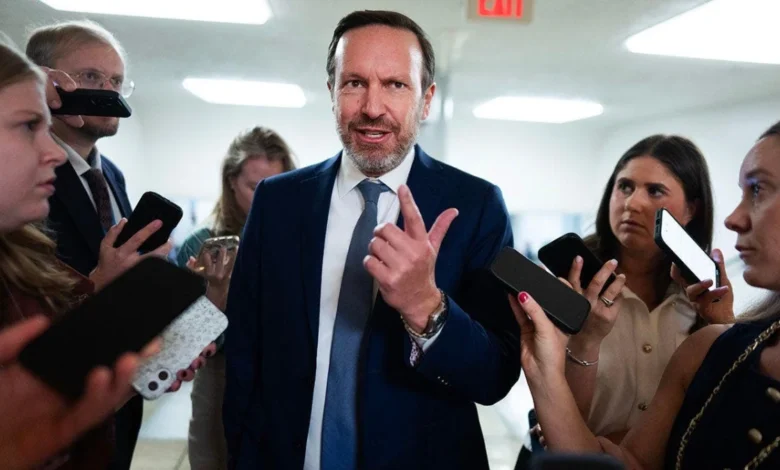
U.S. Senator Chris Murphy of Connecticut is currently recovering at Johns Hopkins Hospital after suffering a stroke over the weekend, according to an official statement released by his congressional office. The 53-year-old lawmaker was attending his son’s hockey game on Saturday afternoon when he first began experiencing alarming neurological symptoms, prompting immediate medical intervention and subsequent transfer to one of the nation’s leading medical facilities.
Allison Herwitt, Murphy’s chief of staff, issued a statement on Sunday detailing the sudden medical emergency and providing an update on the senator’s current health status. According to Herwitt, medical professionals remain optimistic about Murphy’s recovery trajectory, noting that he is fully conscious, alert, and responding positively to ongoing therapeutic interventions. While the sudden health scare has temporarily halted his political itinerary, medical teams continue to monitor his condition closely.
Chronology of Events: From the Rink to Johns Hopkins
The medical incident unfolded rapidly on Saturday afternoon. Murphy was reportedly sitting in the stands at a local ice hockey rink watching his son play when he noticed a sudden onset of numbness, specifically localized in one of his arms. Recognizing the potential severity of the symptom—a classic warning sign of acute neurological distress—family members and bystanders acted swiftly to secure medical assistance.
Emergency responders transported the senator to a nearby community hospital for initial diagnostic evaluations. During this initial examination, attending physicians confirmed that Murphy had suffered a stroke. To ensure specialized care and continuous neurological observation, medical personnel arranged for his transfer later that evening to Johns Hopkins Hospital in Baltimore, Maryland.
By Sunday morning, his office confirmed that the transfer had been completed successfully. The medical staff at Johns Hopkins expressed encouragement regarding his immediate progress, highlighting his alertness and positive response to early-stage treatments as promising indicators for a full recovery.
Campaign Trail Interrupted and Immediate Political Implications
Prior to the medical emergency, Senator Murphy had maintained a rigorous travel and campaign schedule. Although he is not personally standing for election in the current midterm cycle, the third-term senator has been actively traversing the country to support Democratic candidates running in competitive races nationwide. His primary objective over the past several weeks has been stumping for candidates in tightly contested districts and states as part of a broader push to help the Democratic Party secure or retain control of the United States Senate.
The sudden health crisis forced an immediate cancellation of his weekend political obligations. Most notably, Murphy was scheduled to travel to New Hampshire on Sunday to headline campaign events and rally local volunteers and party officials ahead of Election Day. Those appearances were immediately called off following his hospitalization.
At 53 years of age, Murphy represents a younger generation of federal lawmakers and is frequently mentioned by political analysts and party strategists as a prospective candidate for higher national office. Having served in Washington for over a decade—first in the House of Representatives beginning in 2007 and subsequently winning election to the Senate in 2012—he has cultivated a prominent profile within the Democratic caucus. His vocal advocacy on key legislative priorities, including gun violence prevention, foreign policy, and healthcare reform, has positioned him as a central figure in national political discourse, with various observers speculating about a potential presidential run in the 2028 election cycle.
Medical Context: Understanding Stroke Symptoms and Protocols
The medical emergency experienced by Senator Murphy underscores the critical importance of rapid public recognition of stroke symptoms. According to health organizations and neurological experts, strokes occur when blood flow to a part of the brain is interrupted or reduced, depriving brain tissue of oxygen and nutrients. Within minutes, brain cells begin to die.
Health agencies consistently promote the FAST acronym to help the public identify stroke symptoms quickly:
- Face drooping: Does one side of the face droop, or is it numb?
- Arm weakness: Is one arm weak or numb? If the person tries to raise both arms, does one drift downward?
- Speech difficulty: Is speech slurred, are they unable to speak, or are they hard to understand?
- Time to call 911: If the person shows any of these symptoms—even if the symptoms go away—call emergency services immediately.
In Murphy’s case, the manifestation of arm numbness served as the critical warning sign that prompted prompt medical evaluation. Neurologists emphasize that the "golden window" for acute stroke treatment—particularly the administration of clot-busting medications or mechanical thrombectomy procedures—significantly impacts long-term recovery outcomes. The swift transition from the hockey rink to a local emergency room, followed by specialized tertiary care at Johns Hopkins, aligns with established medical protocols designed to minimize permanent neurological damage.
Reactions and Well Wishes from Across the Aisle
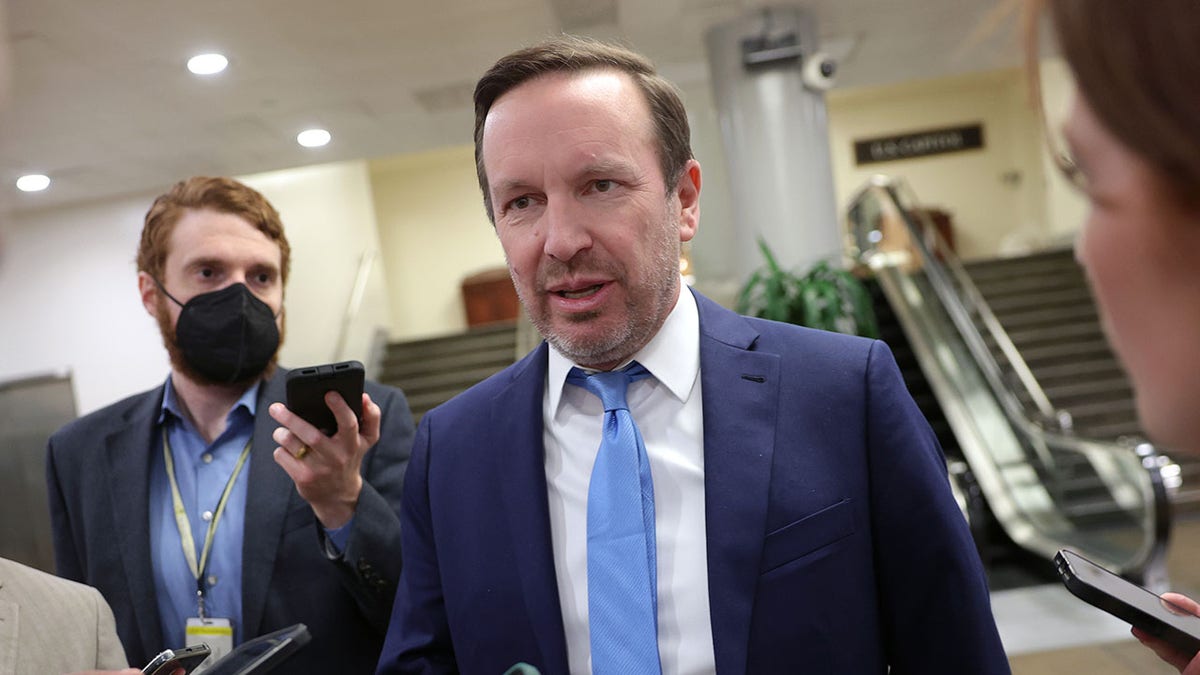
News of Senator Murphy’s hospitalization reverberated rapidly through Capitol Hill, drawing swift expressions of concern and well wishes from colleagues across the political spectrum. Lawmakers from both parties took to public platforms to express solidarity with the Connecticut senator and his family, emphasizing that personal health transcends partisan divisions.
Congressional leaders issued brief statements praising the rapid response of medical professionals and offering support to Murphy’s wife, Cathy Holahan, and their two children. Constituents in Connecticut similarly flooded local congressional offices with messages of recovery, reflecting the senator’s long-standing footprint in state politics since his tenure in the state legislature and the U.S. House.
Broader Impact on the Senate and Legislative Schedule
As Congress navigates a busy legislative calendar intertwined with the final stretch of the midterm elections, Murphy’s temporary absence is not expected to cause immediate disruptions to ongoing floor votes, though it underscores the delicate balance of power in a closely divided Senate. Senate leadership has been briefed on his status, with colleagues expressing confidence in his eventual return to legislative duties once medical clearance is granted.
For now, the focus of Murphy’s staff, family, and medical team remains entirely centered on his recuperation. Further updates regarding his discharge from Johns Hopkins and his anticipated timeline for returning to public life are expected to be released by his congressional office as his recovery progresses.
Related posts: