Indigenous Governance and Local Expertise Form the Frontline of Global Climate Adaptation



From the remote mountain villages of Nepal to the dense rainforests of the Ecuadorian Amazon and the vast grasslands of Canada, Indigenous communities are increasingly finding themselves at the epicenter of a rapidly shifting climate. These regions are no longer facing isolated weather anomalies; rather, they are grappling with a cascade of overlapping disasters. As catastrophic storms, wildfires, and floods strike with increasing frequency and intensity, the resilience of Indigenous populations is being tested as never before. A landmark report released by the global nonprofit Land Is Life posits that these communities are not merely passive victims of climate change, but are instead the architects of the most effective, scalable, and immediate solutions currently in existence.
The core argument presented in the report, titled with the intent to shift global policy, is that the international community has focused too narrowly on the scientific merits of Indigenous knowledge while systematically ignoring the structural backbone that makes this knowledge actionable: Indigenous governance. While policymakers and climate scientists have increasingly acknowledged the value of traditional ecological knowledge, they have frequently failed to provide the legal, financial, and political scaffolding necessary to empower the institutions that preserve and apply that knowledge.
The Anatomy of Overlapping Crises
The climate crisis is rarely a single event. According to the data compiled by Land Is Life, which draws from over 200 survey responses across 46 countries and six diverse ecosystems, the era of isolated climate disasters has passed. More than 80 percent of respondents reported that they are now managing two or more simultaneous crises, such as prolonged drought coupled with rapid-onset flooding or wildfire outbreaks occurring alongside civil instability. Over 90 percent of participants noted a marked increase in the frequency of these events over the last decade.
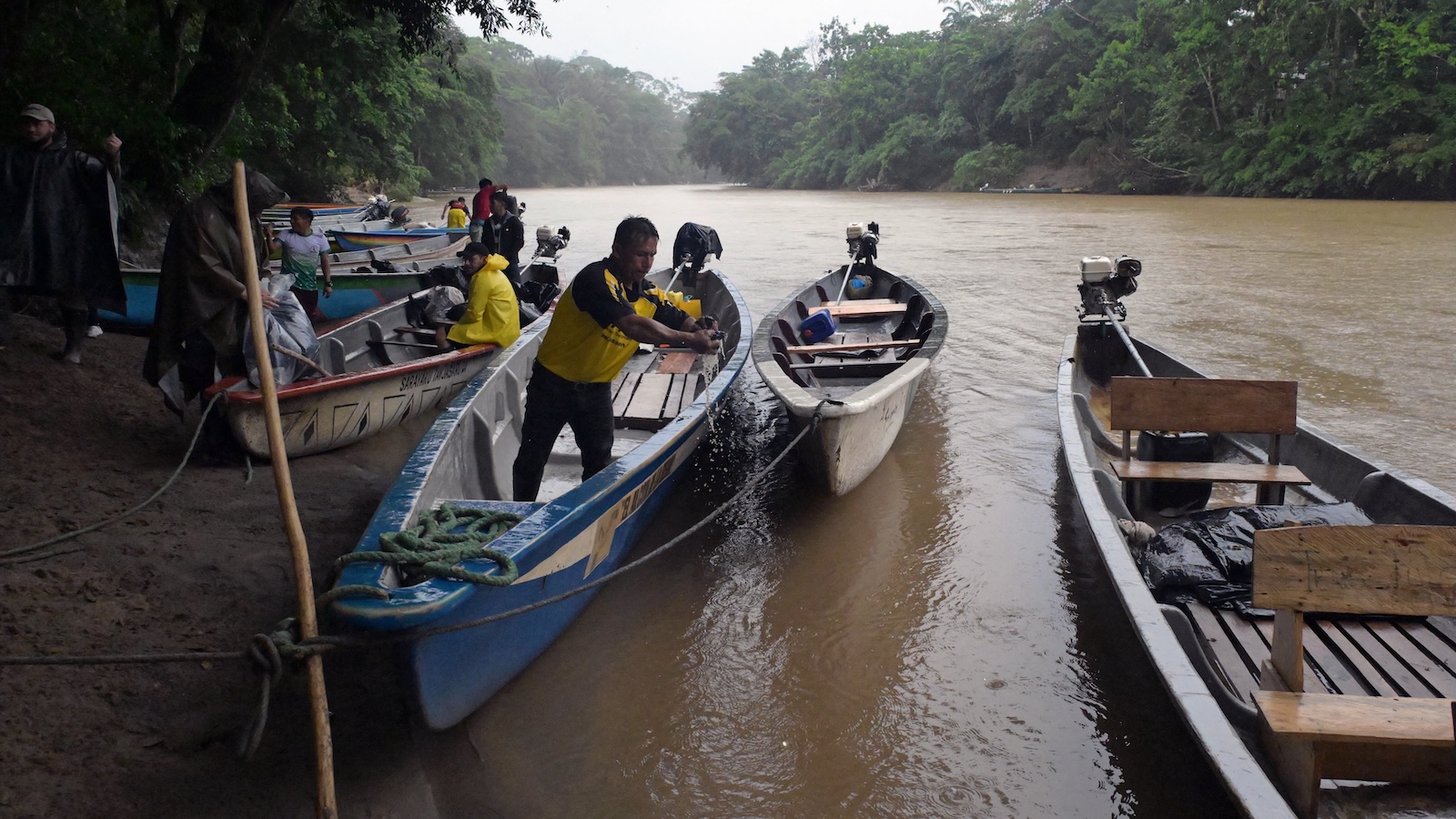
This "compounding effect" complicates traditional disaster management models. In the Ecuadorian Amazon, for example, the Kichwa people of Sarayaku experienced a devastating flood in 2019 that overwhelmed the Bobonaza River, destroying essential infrastructure and food supplies. The community did not wait for state-level emergency response, which is often slow or non-existent in remote territories. Instead, the Sarayaku leveraged their internal governance structure—a system based on collective responsibility and the cultural practice of minga—to organize immediate rescue efforts, establish housing for the displaced, and maintain communication with the outside world. This level of self-determination allowed the community to act in hours, whereas conventional government intervention would have taken weeks.
Chronology of Stewardship and Neglect
The relationship between Indigenous peoples and climate resilience is not a recent development; it is a continuation of millennia of land stewardship. However, the modern history of this engagement is marked by a tension between local efficacy and external oversight:
- Pre-2000s: Indigenous knowledge is often marginalized or viewed as "folklore" by international climate bodies, despite centuries of success in managing diverse ecosystems.
- 2010s: Increased academic recognition of Indigenous land management as a critical component of global biodiversity conservation.
- 2019: The Kichwa of Sarayaku successfully manage a major flood event through internal governance, highlighting the link between political autonomy and climate resilience.
- 2023–2024: Global climate finance pledges reach record levels, yet analysis shows that less than one percent of these funds reach Indigenous-led organizations directly.
- September 2024: The Land Is Life report is launched during New York Climate Week to challenge the status quo and demand direct, unmediated funding for Indigenous governments.
Data-Driven Resilience: The Evidence of Success
The report provides empirical backing for the assertion that Indigenous-led initiatives outperform top-down, externally imposed climate strategies. In Kenya, for instance, the Endorois and Tugen women have successfully pioneered the cultivation of drought-resistant sorghum and millet varieties. These crops provided the only viable food source during recent, historic multi-year droughts that crippled regional agricultural outputs.
Similarly, in Brazil, the Coordination of Indigenous Organizations of the Brazilian Amazon (COIAB) has transformed fire management from an reactive, chaotic process into a proactive, coordinated effort. By organizing training programs and establishing localized rapid-response teams, they have significantly reduced the acreage lost to preventable fires. These examples illustrate that when local communities are granted the authority to manage their own resources, the results are both ecologically sustainable and socially robust.
The Governance Gap: Why Policies Fail
Despite these documented successes, the global climate apparatus remains fundamentally broken. Many nations still refuse to provide legal title to Indigenous lands, which is the most basic requirement for long-term climate adaptation. Furthermore, when external organizations or governments attempt to implement climate projects, they frequently bypass Indigenous governance, favoring centralized, "Western-style" administrative structures that lack the nuance and cultural authority to succeed in local contexts.
Luisa Castañeda Quintana, executive director of Land Is Life, emphasizes that the issue is not a lack of available models, but a refusal to adopt existing ones. "We don’t really need to create new structures or systems," she noted during the report’s unveiling. "We just need to see what is working."
The "governance gap" is further exacerbated by the failure of global financing mechanisms. Despite billions of dollars in climate funding pledged by G20 nations and international financial institutions, the vast majority of this capital is funneled through large, international NGOs or state agencies. As Anisha Buda of the Kaike Magar community in Nepal points out, projects designed "for" Indigenous people are often implemented by non-Indigenous organizations, leading to a disconnect between the stated goals of the funding and the reality on the ground.
Implications for Global Climate Strategy
The failure to support Indigenous governance is not just a moral oversight; it is a strategic error. With global resources becoming increasingly strained—partly due to the withdrawal of major powers from previous climate commitments and the diversion of funds toward geopolitical conflicts—the efficiency of every dollar spent on climate adaptation is paramount.
Gisela Hurtado, the author of the Land Is Life report, argues that the most efficient way to combat climate change is to invest in what is already proven to work. By shifting funding directly to Indigenous institutions, donors can reduce administrative overhead, ensure better compliance with local environmental needs, and foster long-term community resilience.
Furthermore, the legal recognition of Indigenous territories is a critical, cost-effective climate mitigation strategy. Research consistently shows that lands managed by Indigenous peoples have lower rates of deforestation and higher levels of carbon sequestration than those managed by private entities or state governments. When the legal rights of these groups are secured, the Earth’s most vital carbon sinks are naturally protected.
A Call for Radical Inclusion
The path forward requires a fundamental shift in how the international community engages with Indigenous leaders. This transition involves several key policy changes:
- Direct Financing: Removing intermediaries in climate finance to ensure funds reach the community level directly.
- Legal Recognition: Accelerating the formal legal recognition of Indigenous land rights to ensure stability and authority over resource management.
- Collaborative Knowledge Sharing: Moving away from extractive research models—where Western scientists use Indigenous knowledge without credit or compensation—toward true partnerships where Indigenous expertise is the primary driver of policy.
- Language and Communication: Incorporating Indigenous languages into emergency warning systems to ensure that climate data is accessible and actionable for all community members.
As the planet enters an era of heightened volatility, the connection between Indigenous communities and the Earth is becoming a critical resource for humanity as a whole. Indigenous leaders, such as Daniel Santi of the Kichwa, argue that their governance structures are not just for their own survival, but offer a blueprint for how humanity might learn to live within the limits of a changing planet.
Ultimately, the Land Is Life report serves as both a repository of solutions and a stern warning. If global powers continue to treat Indigenous peoples as subjects of study rather than as sovereign partners, they risk losing the very systems that are best equipped to navigate the climate crisis. The message is clear: the future of global climate resilience rests on our willingness to empower those who have been the Earth’s most effective guardians for generations. By respecting Indigenous governance, the world gains the best possible chance to adapt to the environmental challenges that are no longer a distant threat, but a present reality.
Related posts: