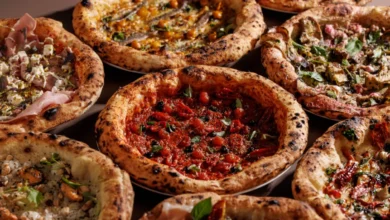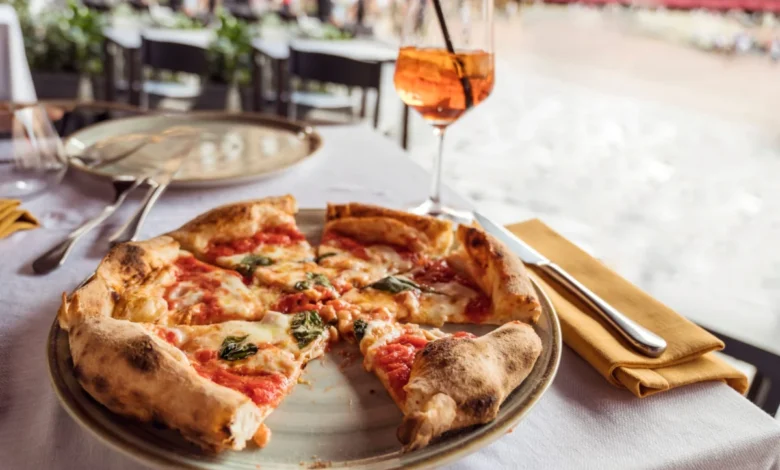
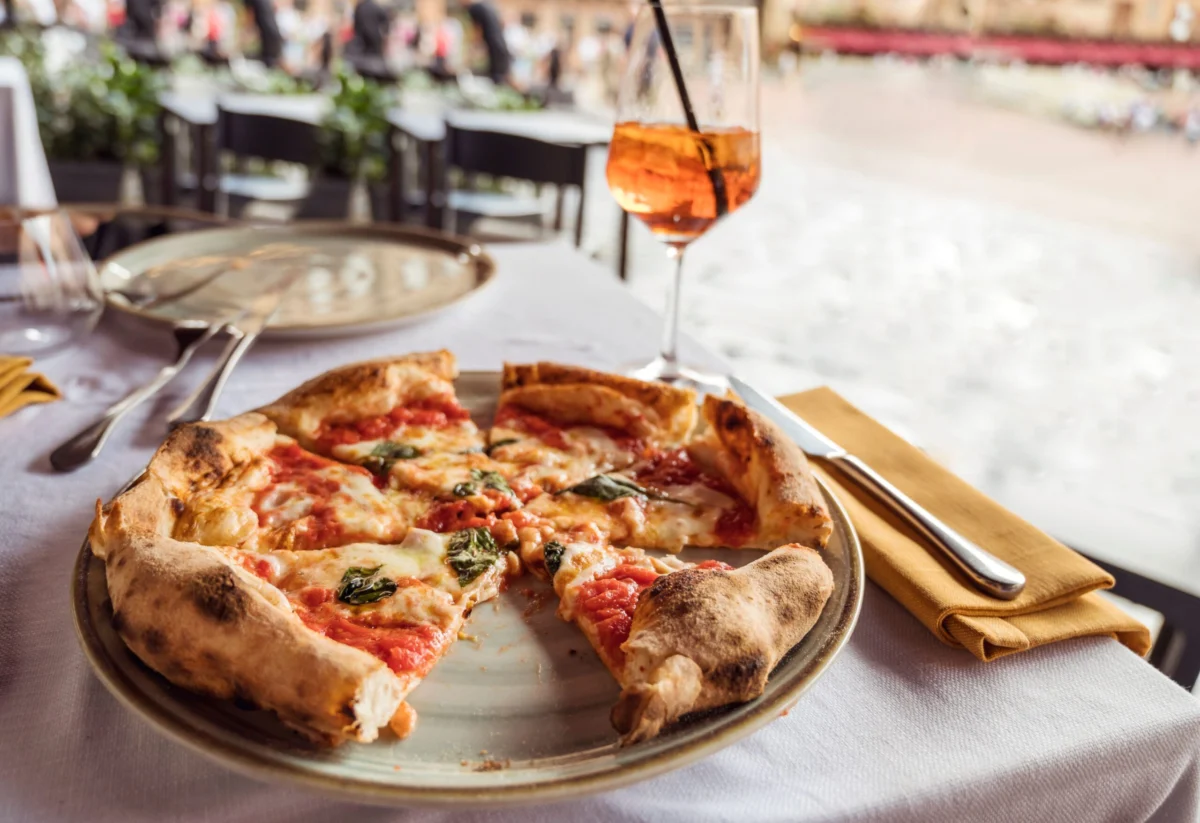
In the food-obsessed Mediterranean city of Naples, asking ten local residents to point you toward the absolute best slice of pizza will inevitably yield ten distinct answers. Popping down to the neighborhood pizzeria, known locally as going sotto casa (right on the doorstep), serves a cultural function akin to visiting a local British pub or a neighborhood bistro. It is an affordable, vibrant evening out shared with friends and neighbors, functioning as a community hub where local news and daily gossip are exchanged over a hot, wood-fired pie. While many of these authentic neighborhood establishments remain comfortably off the typical international tourist radar, the historic center of Naples is densely populated with pizzerias where baseline culinary standards are remarkably high. In a city where pizza is elevated to an art form, a mediocre pie simply does not survive. For travelers navigating this culinary labyrinth, a reliable rule of thumb is to look for the official VPN sign posted outside the establishment. This acronym stands for Verace Pizza Napoletana, an international association that guarantees the pizzeria strictly adheres to a rigorous, exacting set of criteria regarding ingredients, fermentation times, and baking methods.
The Historical Evolution of the Neapolitan Pie
The origin story of the world-famous pizza Margherita is deeply rooted in Neapolitan history. In 1889, master pizzaiolo Raffaele Esposito, working at the historic Pizzeria Brandi—which remains fully operational today—was commissioned to create a special dish for the royal visit of King Umberto I of Savoy and Queen Margherita. Esposito crafted a pie featuring vibrant red tomatoes, pristine white mozzarella cheese, and fresh green basil leaves, intentionally mirroring the red, white, and green stripes of the Italian national flag. Today, the Margherita serves as the ultimate benchmark by which any professional pizzaiolo (pizza maker) is judged. Because its ingredient list is so minimal, there is quite literally nowhere for a subpar chef to hide flaws in the dough or sauce.

As the new millennium approached, a dynamic younger generation of pizzaioli emerged to challenge the heavily guarded, tried-and-tested formulas passed down by their fathers and grandfathers—traditionally a male-dominated profession. Culinary innovators like Enzo Coccia began experimenting with extended dough leavening times, placing unprecedented emphasis on the precise geographical provenance of each raw ingredient, and introducing an increasingly inventive array of seasonal toppings. This culinary evolution has successfully created a diverse dining landscape where patrons can choose between strictly ultra-traditional styles and more experimental, modern creations. When executed with technical precision, both approaches yield extraordinary results. Drawing from a quarter-century of frequent visits to the city and countless slices consumed along the way, culinary experts have categorized the essential pizzerias that define the contemporary Neapolitan dining scene.
Iconic Pizzerias and Essential Stops in Naples
Da Michele
Address: Via Cesare Sersale 1
Although dining at the legendary Da Michele can occasionally feel like participating in an assembly-line production—especially now that the brand has successfully syndicated franchise locations around the globe—consuming a pizza within its original walls remains an absolute rite of passage for any visitor to Naples. The physical environment here is as wonderfully frill-free as the minimalist decor, featuring utilitarian marble-topped tables, bare white walls, and a massive, roaring wood-fired oven. The concise menu has recently expanded from two options to four: the classic Margherita and Marinara have been joined by the Marita (a split half-and-half pie) and the Cosacca, which is generously finished with savory pecorino cheese. While purists occasionally debate whether global expansion has caused standards to slightly slip, the pricing remains remarkably democratic. At €6.50 per pizza paired with a mere €1 cover charge, it stands as one of the best culinary bargains in Europe. The beverage selection is similarly stripped-down, offering strictly water, beer, Fanta, and Coca-Cola. This is clearly not the destination for a quiet, romantic candlelit evening, but romantic ambiance has never been the point of Da Michele.

Concettina ai Tre Santi
Address: Via Arena della Sanità 7
Diners must be fully prepared to encounter substantial queues during peak operating hours at this celebrated establishment, located squarely in the heart of the pulsing, historic Rione Sanità district. Originally founded in 1951 by great-grandmother Concettina, the restaurant is currently steered by her celebrated descendant, Ciro Oliva. The persistent queues are entirely justified by the exceptional quality of the product: exceptionally light, wonderfully puffy crusts topped with the finest regional agricultural components and baked to absolute perfection in a traditional wood-fired oven. Guests fortunate enough to secure a table on the rear terrace can order a bottle of chilled local sparkling wine from an exceptionally curated wine list, alongside a selection of freshly fried antipasti and marinated vegetables. Main pizza selections include standout creations like the Sole della Sanità, featuring yellow datterini tomatoes, rich buffalo mozzarella, fresh basil, and wild oregano, alongside the Borgo Vergini, topped with escarole, capers, olives, and sharp provolone cheese. Reflecting his growing culinary empire, Ciro Oliva recently expanded his brand by opening a sister pizzeria on the island of Capri, conveniently located just steps from the iconic Piazzetta.
Da Attilio alla Pignasecca
Address: Via Pignasecca 17
Third-generation owner Attilio Bachetti has widely earned the affectionate moniker of "the pizzaiolo’s pizzaiolo" among his peers, celebrated for producing remarkably light, airy bases paired with an inventive menu of roughly 40 distinct pizzas utilizing top-tier local ingredients. Occupying two brightly lit dining rooms near the bustling Pignasecca open-air market since 1938, this no-fuss, family-run establishment remains a fiercely loyal local favorite. The extensive menu is cleverly divided into categories including Tradizione, A Capa Nostra (roughly translating to "off the top of our heads"), and Senza Tempo (timeless) pizzas. Regular patrons frequently recommend one of the signature star-shaped creations, featuring a crust artfully stuffed with rich ricotta cheese. The Appenini pizza arrives dressed with mozzarella, sautéed courgettes, pancetta, earthy porcini mushrooms, and parmigiana. Diners struggling to make a definitive choice can order the Attilio, a masterclass presentation featuring nine distinct triangular slices, each showcasing a completely different topping combination. During the bustling lunchtime service, the kitchen also serves classic homestyle Neapolitan comfort dishes, including traditional pasta with potatoes and pasta alla genovese.

50 Kalò
Address: Piazza Sannazaro 201/B
Pioneering and multi-award-winning pizzaiolo Ciro Salvo has earned international renown for developing a remarkably digestible dough formula. By utilizing a higher percentage of water to flour than traditional recipes dictate, his crusts emerge from the oven noticeably lighter, airier, and crisper than the local norm. The seasonal ingredients utilized for his sophisticated toppings are scrupulously sourced from small-scale agricultural producers within the surrounding Campania region. Diners can sample options such as carciofi e capocollo, featuring tender roasted artichoke hearts paired with cured capocollo ham, or a classic diavola upgraded with intensely spicy artisanal salami. Vegetarian offerings feature an inspired pizza adaptation of the famous regional pasta dish spaghetti alla Nerano, incorporating zucchini and fresh mint. The comprehensive beverage menu highlights an extensive array of regional Campanian wines alongside a robust selection of craft beers and sparkling options. While the contemporary Mergellina flagship location operates on a strict no-reservations policy resulting in steady queues, a second branch opened recently in Piazza della Repubblica, where advance bookings are welcomed.
Isabella de Cham
Address: Via Arena della Sanità 27
Diverging from male-dominated culinary traditions, this intimate, contemporary temple dedicated to the calorie-heavy, stomach-challenging art of the pizza fritta (deep-fried pizza) is operated entirely by an all-female brigade. Headed by local culinary talent Isabella de Cham—who has immersed herself in the professional pizza industry since the age of 16—the restaurant sits deep within the historic Rione Sanità district. The menu features both familiar interpretations of these golden, crispy, balloon-like pillows of fried dough, such as the Classica (stuffed unceremoniously with pork crackling, ricotta, black pepper, and fresh basil), alongside more experimental creations like the Donna Isabella, which combines wild rocket, local provola, and caciocavallo cheeses balanced with an unexpected burst of zingy lemon zest. For diners desiring baked alternatives, traditional oven-baked pizzas are also available. The dessert menu features the Millefritta, a playful, decadent culinary deconstruction of the traditional millefoglie pastry, constructed using paper-thin discs of fried dough layered alternately with whipped ricotta, crushed hazelnuts, and sweet apricot jam harvested directly from the volcanic soils of Mount Vesuvius. The brand’s ongoing commercial success is further highlighted by the recent launch of a second branch operating out of the bustling Montesanto market.

Starita
Address: Via Materdei 27/28
Operating continuously since 1901 and boasting an international footprint that now includes franchise locations in distant global hubs such as Bangkok, Pizzeria Starita stands as an enduring monument to Neapolitan pizza tradition. Today, the culinary institution is managed by the fourth generation of the Starita family. Situated within the densely residential Materdei neighborhood located northwest of the National Archaeological Museum, its sprawling network of dining rooms routinely accommodates roughly 100 diners at a time, all eager to sample the puffy, light-crusted pizzas baked inside its famous, bright-red wood-fired oven. Guests are advised to begin their meal by ordering a Montanara—a miniature pizza that is first deep-fried, then topped and baked, famously invented by Signor Starita during the 1980s—while studying the expansive primary pizza menu. Standout items include the pistachio e salsiccia, featuring spicy local sausage, rich pistachio pesto, and smoked provola cheese. Meanwhile, the signature Marinara Starita keeps things elegantly simple yet intensely flavorful, utilizing sweet Sicilian datterini tomatoes, crushed garlic, sharp pecorino, and wild oregano. For a decadent final course, patrons frequently order Angioletti, which consist of sweet, deep-fried dough sticks smothered optionally in Nutella or pistachio cream.
Pizzaria La Notizia 53
Address: Via Michelangelo da Caravaggio 53
As the first professional pizzaiolo to secure prestigious Michelin recognition, the imposing Enzo Coccia stands widely acknowledged as a foundational pioneer of the modern gourmet pizza movement in Naples. Rather than consolidating operations into a single massive venue, Coccia established three distinct outlets clustered closely together on the same residential street within the affluent, non-touristy Vomero district. The homelike La Notizia 53 serves textbook, impeccably executed renditions of all the historic favorite styles alongside a selection of Mpustarelle, a regional variation of the filled panini sandwich. Meanwhile, at the more aesthetically polished number 94 address, diners can explore cutting-edge gourmet pizzas featuring complex, inventive toppings. Highlights include the 4 Bufale, utilizing four distinct variations of buffalo milk cheese, and Inverno al Sud, which pairs bitter broccoli with creamy mozzarella, pecorino Romano, and crumbled, dried crusco peppers imported from neighboring Calabria. The sophisticated wine list exclusively highlights regional producers from Campania; a chilled bottle of Kratos—winemaker Luigi Maffini’s mineral-rich Fiano di Paestum—serves as an exemplary accompaniment to the meal, illustrating how far the culinary pairing of wine and pizza has evolved since its humble working-class origins.