Discovering Antigua: The Ultimate Caribbean Escape For Luxury Travelers And Nature Enthusiasts

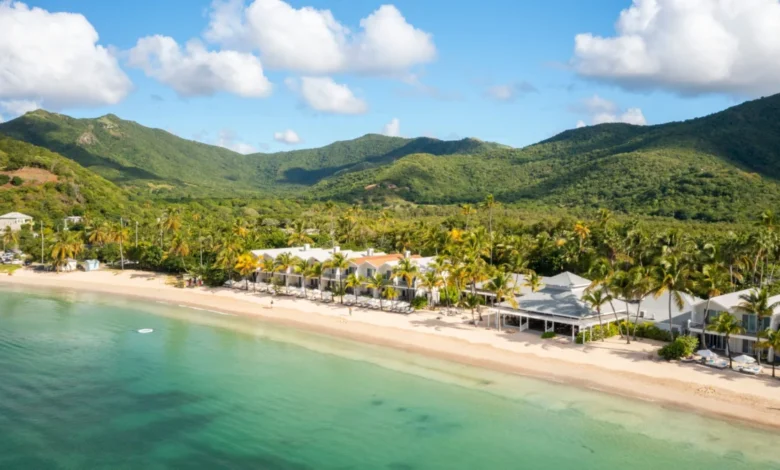
Antigua, the crown jewel of the Leeward Islands in the Eastern Caribbean, continues to cement its reputation as a premier destination for discerning global travelers. Famed for its geographical diversity—ranging from endless stretches of powdery white-sand shores to rugged, emerald-green rainforests—the island presents a compelling proposition for those seeking both high-end luxury and raw natural beauty. Tourism officials and hospitality analysts report that the destination is experiencing a steady resurgence in upscale bookings, driven by a growing demand for eco-conscious luxury, bespoke travel itineraries, and immersive wellness retreats that celebrate the island’s pristine ecosystem.
The Geographic and Cultural Landscape of Antigua
At the heart of Antigua’s enduring appeal is its unique geography. Local lore famously dictates that the island boasts "a beach for every day of the year," totaling precisely 365 distinct coastal havens. While cartographers often debate the exact tally, visitors stepping onto the island quickly realize the hyperbole is rooted in tangible reality: nearly every corner of the coastline yields a secluded cove, a dramatic cliffside vista, or a sweeping expanse of golden sand caressed by crystal-clear turquoise waters.
Beyond its beaches, Antigua possesses a deeply layered history. Originally inhabited by the Ciboney, followed by the Arawak and Carib peoples, the island was later colonized by Great Britain in 1632. Its strategic geographic location made it a vital naval stronghold for the British Empire, most notably preserved at Nelson’s Dockyard in English Harbour—now a UNESCO World Heritage site. Today, this historical significance blends seamlessly with modern luxury infrastructure, creating a destination where world-class superyachts anchor alongside meticulously restored 18th-century naval architecture.
The Chronology of Tourism Development in Antigua
Antigua’s journey from a predominantly agricultural colony reliant on sugarcane production to a global luxury tourism powerhouse spans several decades.
The mid-20th century marked the infancy of modern Caribbean aviation and hospitality. In the 1940s, the construction of a U.S. military airfield during World War II inadvertently laid the groundwork for commercial air travel to the island. By the 1960s, visionary hoteliers recognized the potential of Antigua’s coastline, leading to the establishment of the island’s first international resorts.
Throughout the 1980s and 1990s, the Antiguan government made strategic investments in infrastructure, expanding the V.C. Bird International Airport and upgrading port facilities to accommodate burgeoning cruise ship traffic. Concurrently, high-net-worth individuals began acquiring private estates and establishing ultra-exclusive boutique properties.
Entering the 21st century, Antigua adopted a sustainable tourism framework. Recognizing the ecological fragility of its coral reefs and rainforests, local authorities implemented stricter environmental regulations for new developments. The contemporary era is characterized by a shift toward low-impact, high-luxury tourism. Resorts are increasingly investing in renewable energy, water conservation systems, and community-led conservation initiatives to ensure that the island’s natural assets remain uncompromised for future generations.
Ecology and Seasonal Highlights for Travelers
While Antigua welcomes visitors year-round, distinct ecological phenomena dictate optimal travel windows for nature enthusiasts. The island maintains a tropical maritime climate, with average temperatures hovering comfortably between 25°C and 30°C (77°F to 86°F) year-round. Trade winds from the Atlantic provide a refreshing natural cooling effect, mitigating the humidity often associated with the region.
For travelers interested in marine biology and conservation, the period between June and October offers a rare spectacle. During these months, several species of sea turtles—including the Hawksbill, Green, and Leatherback turtles—return to Antiguan shores to nest. Protected conservation zones along the coastline allow visitors to witness the delicate moment when baby turtles emerge from their nests and make their inaugural journey toward the Caribbean Sea. Strict local guidelines govern these interactions to ensure human presence does not disrupt the hatchlings’ natural instincts.
Surfing and water sports enthusiasts find optimal conditions on the Atlantic-facing eastern and northern coasts, where swells generated by distant weather systems create reliable breaks. Conversely, the protected Caribbean-facing western and southern shores provide tranquil, glassy waters ideal for paddleboarding, snorkeling, and leisurely catamaran excursions.
The Modern Hospitality Sector: Balancing Opulence and Sustainability
The hospitality landscape in Antigua is defined by a dichotomy of sprawling, full-service luxury resorts and intimate, design-forward boutique hideaways. Industry reports indicate that the modern luxury traveler is no longer satisfied with traditional markers of opulence, such as marble bathrooms and thread-count metrics. Instead, contemporary expectations center on privacy, authenticity, holistic wellness, and ecological stewardship.
Leading properties across the island have responded by integrating farm-to-table culinary programs, utilizing organic produce cultivated on-site or sourced directly from local Antiguan farmers and fishermen. Architectural designs increasingly favor open-air living spaces that blur the boundaries between indoor comfort and the surrounding tropical environment. Private plunge pools, secluded beach access, and personalized butler services have become standard benchmarks for properties operating in the top tier of the market.
Furthermore, boutique properties are championing community engagement. Many resorts partner with local artisans, musicians, and historians to offer guests curated experiences that reflect true Antiguan culture rather than homogenized resort entertainment. This localized approach not only enhances the visitor experience but also ensures that the economic benefits of tourism circulate more broadly within the local community.
Economic Analysis and Broader Implications of Tourism Growth
Tourism remains the primary economic engine of Antigua and Barbuda, contributing significantly to the nation’s Gross Domestic Product (GDP) and employment figures. According to economic data compiled by regional tourism organizations, the sector accounts for more than half of the country’s GDP, directly and indirectly supporting thousands of jobs in hospitality, transport, agriculture, and construction.
However, rapid growth in the luxury travel sector presents complex policy challenges. Government officials and economists frequently weigh the immediate financial gains of foreign direct investment in mega-resorts against the long-term carrying capacity of the island’s natural resources—particularly freshwater availability and waste management infrastructure.
In response, recent policy directives from the Ministry of Tourism have emphasized "value over volume." Rather than aggressively scaling up visitor arrivals to pre-pandemic peaks, the strategic focus has pivoted toward attracting high-spending travelers who leave a smaller physical footprint while contributing more substantially to the local economy. This approach aligns with broader Caribbean-wide initiatives aimed at building climate resilience and economic sustainability in the face of global environmental uncertainties.
Official Responses and Perspectives
Stakeholders within the Antiguan tourism apparatus have consistently emphasized a commitment to balancing commercial expansion with environmental preservation.
In recent policy addresses, tourism ministers have underscored that the island’s greatest asset is its natural authenticity. "We are not interested in overdeveloping our coastline or sacrificing the very elements that make Antigua unique," noted a senior representative from the Antigua and Barbuda Tourism Authority. "Our mandate is to foster an environment where world-class luxury coexists harmoniously with our marine reserves, our rainforests, and our local communities."
Hospitality executives operating on the island echo this sentiment, pointing out that discerning travelers actively seek out destinations that demonstrate corporate social responsibility. Properties that have successfully implemented solar power grids, eliminated single-use plastics, and invested in coral reef restoration projects report higher guest satisfaction scores and stronger repeat visitation rates.
The Future Outlook for Antigua’s Travel Industry
As global travel trends continue to evolve in the wake of shifting consumer priorities, Antigua is well-positioned to maintain its status as an elite Caribbean destination. The emphasis on slow travel, wellness, and environmental consciousness resonates strongly with travelers looking to disconnect from the pressures of modern urban life.
Whether arriving for a week of restorative seclusion at a cliffside villa, exploring the historical depths of English Harbour, or witnessing the fragile wonder of marine life along the coast, visitors to Antigua encounter a destination that remains deeply respectful of its natural heritage. As the island looks toward the coming decades, its success will undoubtedly hinge on its ability to protect the delicate balance between indulgence and conservation—ensuring that the famous promise of 365 beaches remains as pristine for future generations as it is today.