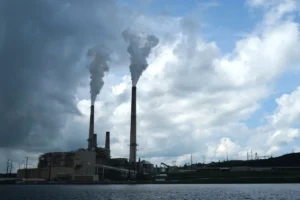
Environmental and Public Health Groups Challenge Trump Administration Proposal to Repeal Greenhouse Gas Standards for Power Plants

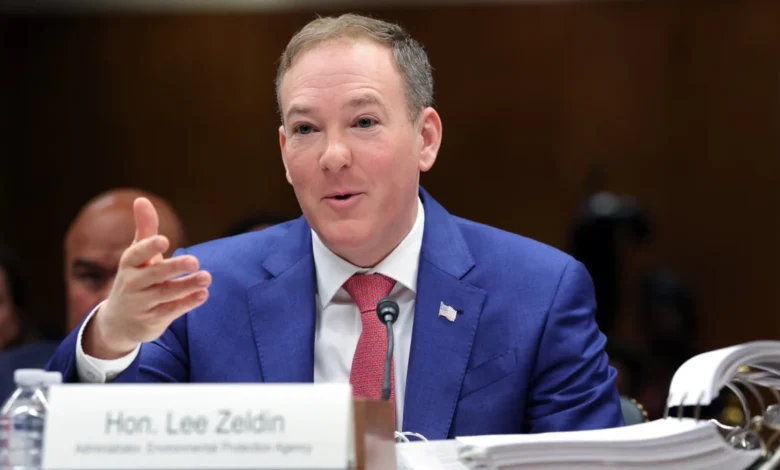
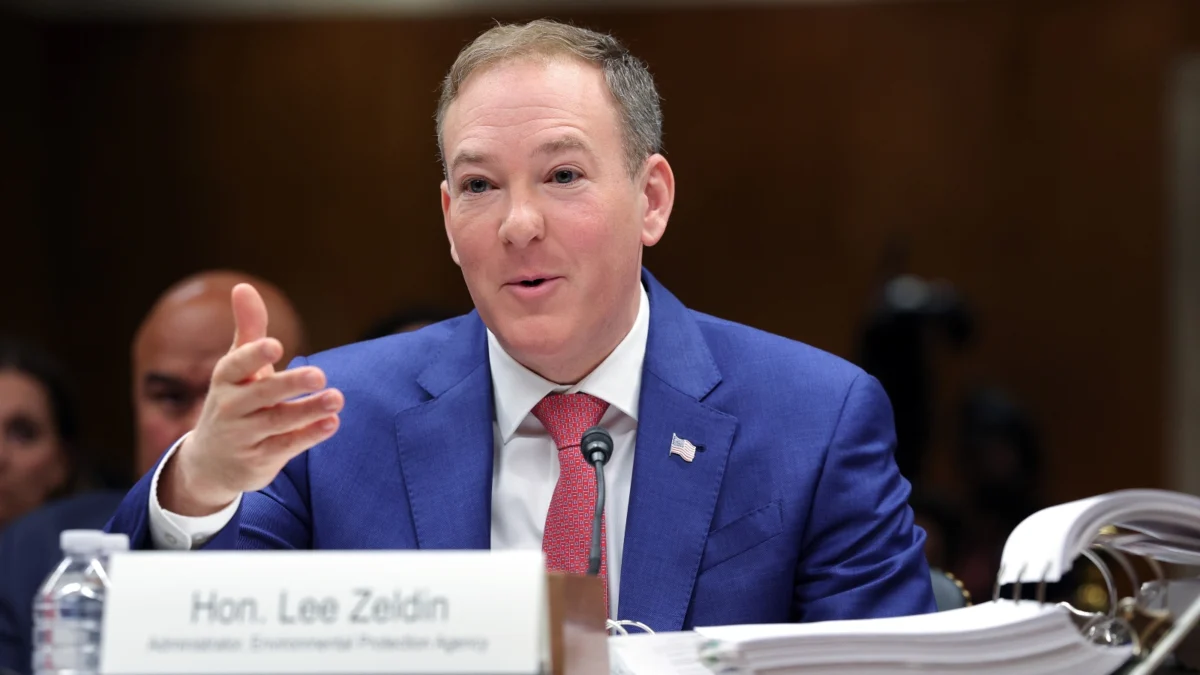
The landscape of American energy policy is undergoing a profound shift as the Trump administration moves to dismantle the Environmental Protection Agency’s (EPA) stringent greenhouse gas standards for power plants. This regulatory rollback, which seeks to abandon the Biden-era framework designed to curb carbon emissions, has triggered a wave of litigation from environmental organizations and public health advocates. At the heart of the legal battle is the question of whether federal regulators have the authority to pivot away from climate-conscious mandates, a move that critics argue will significantly undermine national decarbonization goals and jeopardize public health.
The legal challenge, led by entities such as the Natural Resources Defense Council (NRDC) and the American Public Health Association (APHA), asserts that the repeal is not merely a policy correction but a dangerous retreat from established scientific consensus. Georges C. Benjamin, CEO of the APHA, characterized the move as an affront to fundamental rights, stating that clean air is a non-negotiable necessity. He emphasized that power plant emissions are a primary driver of climate change, exacerbating extreme weather patterns, deteriorating air quality, and increasing the prevalence of respiratory and cardiovascular illnesses among vulnerable populations.
The Regulatory Framework and the Repeal
The rule currently under fire is the Biden-era EPA standard, which established a clear, albeit ambitious, roadmap for the power sector. Under these guidelines, existing coal-fired power plants were faced with a binary choice: implement advanced carbon capture and storage (CCS) technology or prepare for decommissioning by a 2032 deadline. For new natural gas-fired plants, the regulation required either the integration of carbon capture systems or significant operational constraints to limit their total output, thereby reducing their carbon footprint.
The Trump administration’s proposal would effectively strip these requirements, removing the legal pressure that has forced utilities to weigh the cost of carbon compliance against the economic viability of aging fossil fuel assets. By neutralizing these standards, the administration aims to grant utilities greater operational flexibility, prioritizing short-term energy security and cost stability over the long-term environmental imperatives that defined the previous administration’s energy strategy.
Chronology of a Shifting Energy Strategy
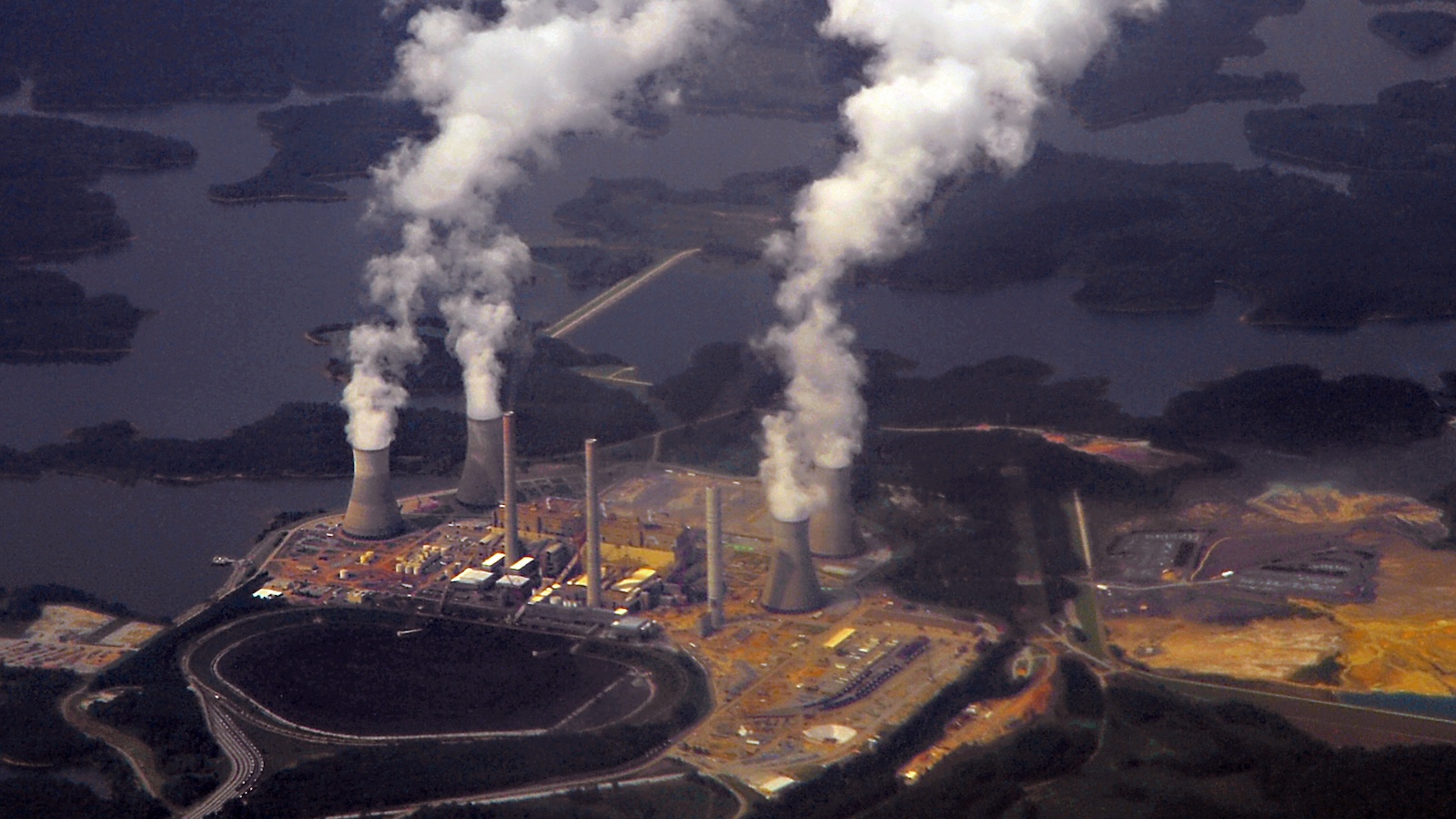
The evolution of Georgia’s energy profile serves as a microcosm for the broader national trend. In 2022, Georgia Power, the state’s largest utility, adopted a long-term resource plan that signaled a definitive transition away from coal. Facing the impending costs of compliance with the Biden-era standards, the utility determined that investing in carbon capture technology for its coal fleet was not economically prudent. Consequently, it announced plans for significant retirements of coal assets.
However, the political climate shifted with the 2024 election. Anticipating a reversal of federal environmental policy, utilities across the country began to hedge their bets. By early 2025, the momentum behind coal retirements in Georgia had stalled. Georgia Power sought and received approval from the Georgia Public Service Commission (PSC) to delay the retirement of units at Plant Scherer and Plant Gaston. This move was widely interpreted by energy analysts as a strategic adjustment to a regulatory environment that was perceived to be losing its teeth.
Data from the Energy Information Administration (EIA) highlights the scale of these emissions. In 2024, Plant Scherer, situated near Macon, Georgia, accounted for more than 8 million tons of carbon dioxide emissions. Plant Gaston, located in Alabama but serving Georgia’s grid, added another 2 million tons. These figures underscore the significant environmental impact of keeping such facilities online beyond their originally intended retirement dates.
Economic and Operational Implications
The uncertainty surrounding federal regulations has created a complex "wait-and-see" environment for utility planners. During the 2025 resource planning hearings in Georgia, utility officials acknowledged the volatility of the regulatory landscape. Jeff Grubb, the utility’s director of resource policy and planning, noted that the company had developed nine distinct planning scenarios to account for "differing plausible future scenarios." This strategic hedging allowed the company to keep its operational options open, essentially decoupling its capital expenditure plans from the strictures of the then-active EPA rules.
Maggie Shober, a researcher with the Southern Alliance for Clean Energy, argues that this behavior was a calculated response to the political winds. "Technically, the regulation was still in effect, but everyone understood it was not going to stay in effect," she observed. This anticipation of repeal effectively hollowed out the regulatory intent long before the official proposal to rescind the rules was introduced.
The Surge in Natural Gas Demand
The urgency of this debate is heightened by the unprecedented surge in electricity demand, driven largely by the proliferation of massive data centers and the broader electrification of the economy. As Georgia Power scales up its capacity, it has increasingly turned to methane-based natural gas turbines. Under the Biden-era EPA rule, these new turbines would have faced strict utilization limits—operating roughly 40 percent of the year to maintain lower emissions profiles.
If the repeal proceeds as expected, the operational constraints on these gas plants could be lifted entirely. Analysts project that if these facilities are permitted to run at 85 percent capacity, annual carbon dioxide emissions could skyrocket from an estimated 4 million tons to 8.5 million tons. This jump in emissions would effectively double the climate impact of Georgia’s newest energy infrastructure, complicating the state’s ability to meet its own internal sustainability targets.
Official Responses and Industry Stance
The response from the utility sector has been notably cautious. Southern Company, the parent firm of Georgia Power, declined to comment on specific operational plans or the potential repeal of the EPA rules. In a formal statement, a spokesperson for the company emphasized the necessity of "regulatory certainty" and a "durable framework" to ensure the reliability and affordability of the power grid.
Conspicuously absent from the statement was any mention of the company’s publicly stated goal of achieving net-zero emissions by 2050. This silence reflects the broader industry struggle to balance aggressive, long-term climate commitments with the immediate, short-term pressures of high demand, aging infrastructure, and shifting political mandates.
Broader Implications for Climate Policy
The challenge to the EPA’s rule is set to be a protracted legal battle that may eventually reach the Supreme Court. The outcome will likely hinge on the interpretation of agency authority and the limits of the Clean Air Act. For environmentalists, the stakes are existential; they view the repeal as a fundamental dismantling of the tools necessary to keep global warming within manageable limits. For the administration and its supporters, the move is framed as a restoration of economic common sense and an essential step toward ensuring energy independence.
As the public comment period approaches and legal briefs are filed, the case highlights the fragility of climate policy in the United States. Without a durable legislative consensus, environmental standards remain subject to the periodic reversals of the executive branch, leading to a "regulatory whiplash" that challenges the ability of utilities to plan for a low-carbon future. Whether the judiciary will uphold the EPA’s attempt to roll back these standards remains to be seen, but the debate has already fundamentally altered the trajectory of the American energy sector. For now, the future of coal and the expansion of natural gas remain locked in a tug-of-war between immediate economic demand and the long-term, compounding risks of a warming planet.
Related posts: