The Great Gridlock: Congress Struggles to Balance Energy Infrastructure Needs with Public Skepticism Over Data Center Expansion

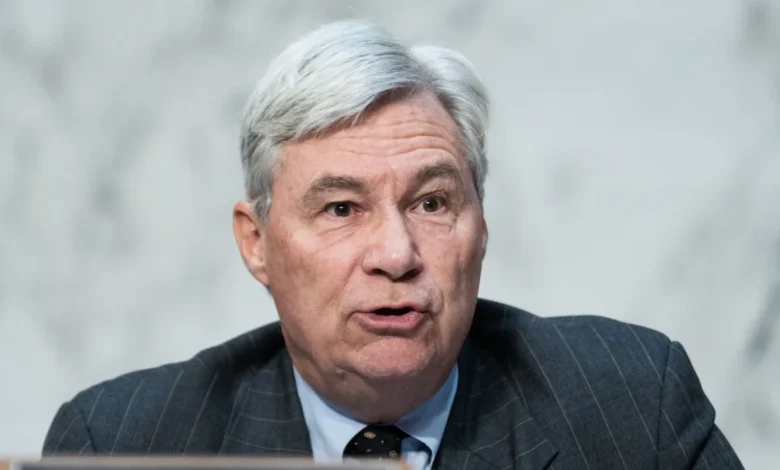
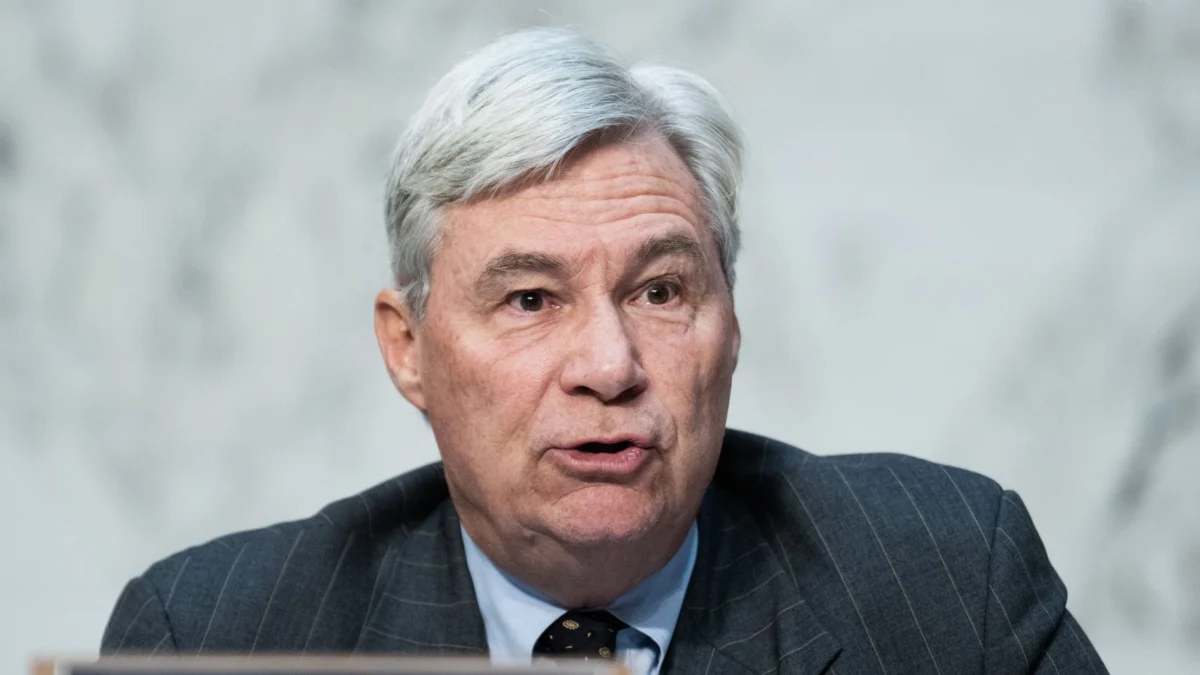
As the autumn legislative session draws to a close and lawmakers pivot toward the high-stakes political theater of the midterm elections, a bipartisan group of senators is engaged in a frantic, eleventh-hour effort to finalize a landmark permitting reform bill. This legislation, intended to overhaul the labyrinthine federal process for approving energy projects, is viewed by industry analysts and policymakers alike as the single most significant hurdle to addressing the nation’s rapidly deteriorating energy security. With electricity demand reaching levels unseen in decades, the urgency to modernize the grid has collided with a growing, politically toxic public perception of the data centers that are driving much of this consumption.
The Anatomy of an Energy Crisis
The fundamental challenge facing the United States is a massive, structural mismatch between current energy capacity and the skyrocketing demand triggered by an electrified economy. While energy efficiency gains—such as the widespread adoption of LED lighting and high-efficiency appliances—kept total U.S. electricity consumption relatively flat during the 2010s, that era of stability has ended.
Today, the convergence of three distinct phenomena is straining the nation’s power infrastructure. First, the widespread "electrification of everything"—including the transition to heat pumps, electric vehicles, and industrial electrification—is placing unprecedented load on the grid. Second, a renewed federal focus on reshoring manufacturing has created new industrial hubs that require massive, reliable power supplies. Third, and perhaps most disruptive, is the explosive build-out of data centers. These facilities, which serve as the backbone of the AI revolution and modern cloud computing, are power-intensive operations that often require dedicated, round-the-clock electricity.
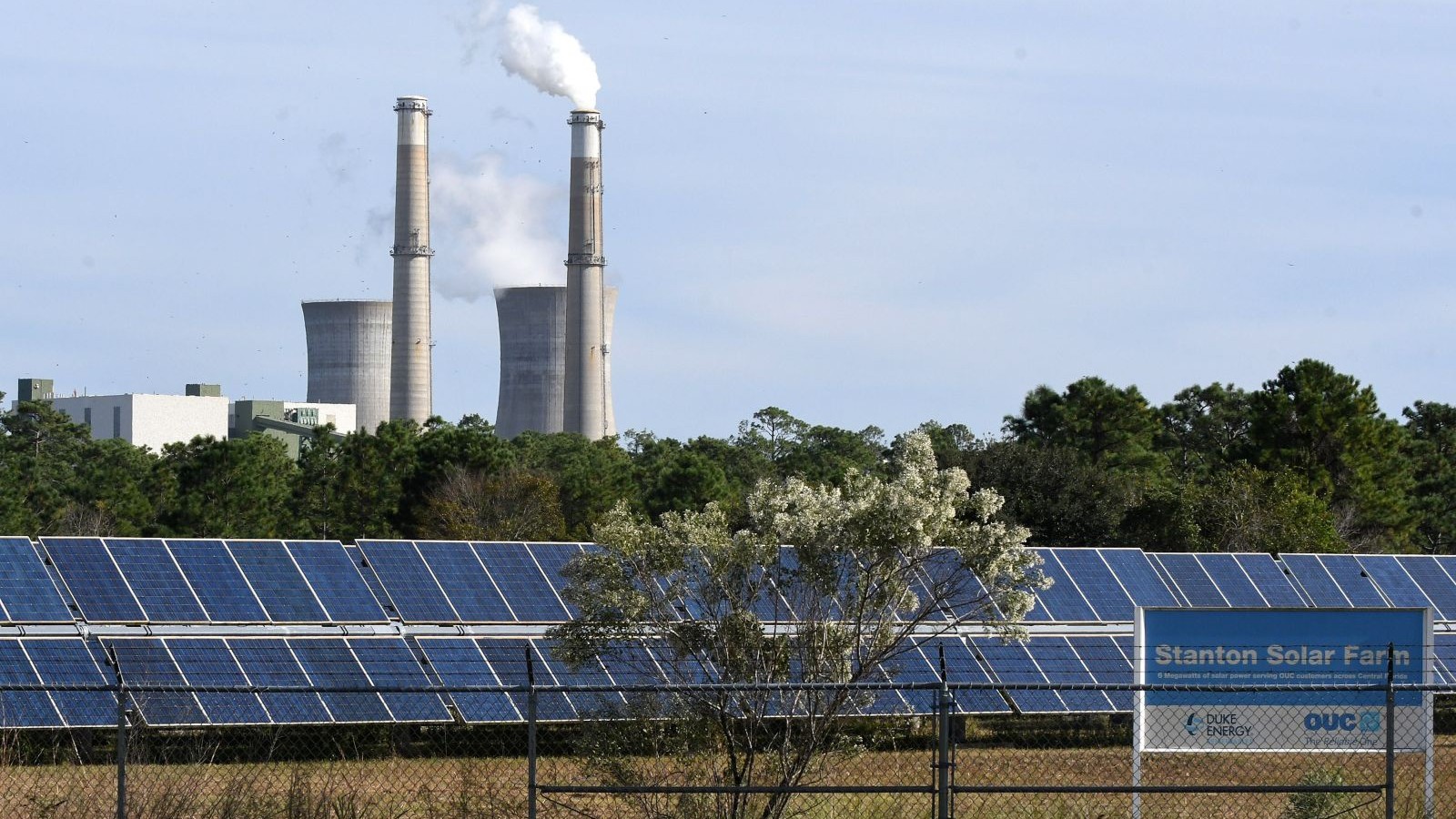
According to data from the Energy Information Administration (EIA), solar power and battery storage are slated to account for nearly 80 percent of new utility-scale generation in 2026. Yet, despite this influx of capacity, natural gas remains the dominant workhorse of the American grid, and its role as a bridge fuel for data centers is expected to grow significantly over the next decade.
A Chronology of Legislative Stagnation
The push for permitting reform is not a new phenomenon, but it has gained existential urgency in 2026. The path to the current legislative window has been marked by repeated failures and incremental shifts:
- 2024: The Energy Permitting Reform Act of 2024 marked a high-water mark for bipartisan cooperation, successfully navigating the committee process. However, the bill ultimately withered on the vine, failing to secure a full Senate floor vote amid competing legislative priorities.
- Early 2026: As data center projects faced mounting local opposition and grid operators began warning of potential blackouts, energy committees in both chambers signaled a willingness to revisit the issue.
- August 2026: Senator Marsha Blackburn (R-TN) issued a formal call to action, highlighting that federal "red tape" serves as a primary barrier to economic competitiveness.
- Mid-September 2026: During the annual Clean Energy Week in Washington, D.C., leaders from both sides of the aisle, including members of the Trump administration, emphasized that the current permitting framework threatens national security by ceding ground to global rivals like China.
- Late September 2026: Negotiations stalled as the Senate recessed for the midterm campaign cycle. Reports indicate that the bill remains in a draft stage, with the most contentious language regarding the weakening of environmental statutes still under debate.
The "Toxic" Perception of Data Centers
Perhaps the most significant obstacle to passing the bill is the "PR problem" identified by political analysts. Research conducted by Redbud Consulting has highlighted a sharp disconnect between the economic justifications for energy infrastructure and the lived reality of voters. Public opinion polling reveals a broad, cross-partisan consensus against the construction of data centers in local communities.
"If you phrase permitting reform as serving data centers, the polling results get way worse," says Alex Lundry, president of Redbud Consulting. This creates a precarious bind for incumbents. Legislators recognize that without grid modernization, energy prices will continue to climb, yet they fear being labeled as the architects of a data center boom that many voters associate with noise pollution, land use disputes, and increased utility bills.
The political sensitivity is so acute that the House of Representatives recently passed a bill—now stalled in the Senate—that would encourage states to force data centers to fund their own electrical infrastructure, effectively shifting the cost burden away from residential ratepayers.
The Role of Environmental Law and Regulatory Reform
At the heart of the proposed Senate legislation is a delicate trade-off regarding the National Environmental Policy Act (NEPA), the Clean Water Act, and the Endangered Species Act. Currently, energy projects—whether renewable or fossil fuel-based—are subject to years of environmental impact reviews and subsequent litigation.
Industry advocates, including Tim Pawlenty, president of the Solar Energy Industry Association, have described the status quo as "constipated." Proponents of the reform argue that by narrowing the scope of required environmental reviews and limiting the window for post-approval litigation, the U.S. can cut project lead times by half.
However, this has put the bill at odds with major environmental organizations, such as the Natural Resources Defense Council (NRDC). These groups argue that speed should not come at the expense of bedrock environmental protections. Democratic negotiators, caught between the need for a green energy transition and the desire to preserve their environmental base, are currently weighing whether to accept a truncated review process as a necessary compromise for the greater good of climate action.
The Geopolitical Dimension
Legislators are increasingly framing the energy debate through the lens of international competition. The narrative that China is gaining an economic and military edge by bypassing the regulatory hurdles that plague the U.S. has become a staple of the current debate. Senator Rick Scott (R-FL) has been vocal in his critique, stating that while China "cuts corners," the U.S. is "fighting the energy war with one hand tied behind our backs."
While this framing has historically been a potent political tool, recent polling suggests its efficacy is waning. Voters are increasingly focused on domestic pocketbook issues. Data from September 2026 indicates that 70 percent of respondents have experienced rising energy bills over the past year. Consequently, pollsters are advising legislators to pivot the conversation away from the abstract "great power competition" and toward the tangible benefits of clean, affordable, and reliable power.
Future Outlook and Implications
As the Senate enters the post-midterm landscape, the future of the permitting reform bill remains uncertain. The outcome of the elections will likely determine the legislative path forward. If the current power structure shifts, the bill may be forced to compete for attention with other major policy agendas, potentially pushing the timeline into the next congressional session.
For now, the project remains in limbo. The four primary negotiators—representing the top leadership of the Senate’s energy-related committees—are tasked with a nearly impossible mandate: crafting a bill that addresses the gargantuan power needs of the 21st-century economy, satisfies the conflicting demands of fossil fuel and renewable energy lobbies, and remains politically palatable to a skeptical, inflation-weary electorate.
The ultimate resolution of this bill will serve as a bellwether for the American political system’s capacity to address long-term structural challenges. Whether it results in a sweeping modernization of the grid or continues the cycle of legislative gridlock, the consequences will be felt by the American energy consumer for years to come.
Related posts: