Anti-vaccine embrace: The political alignment of the Children’s Health Defense conference and its implications for public health policy

The Children’s Health Defense (CHD) is set to host its annual conference on September 17, an event framed by organizers as a “pursuit of a more perfect future.” While the organization markets the gathering as a platform to explore the “health freedom movement,” the agenda and speaker list underscore a continued, deep-seated alignment with anti-vaccine rhetoric. The event, preceded by an opening reception on September 16, serves as a focal point for figures who have consistently challenged established scientific consensus regarding immunology and public health mandates.
The roster of speakers reflects a convergence of political figures and media personalities who have become prominent voices in the skepticism of conventional medical guidelines. Among the notable participants are Senator Ron Johnson (R-Wisc.) and Senator Rand Paul (R-Ky.), both of whom have frequently utilized their legislative platforms to question vaccine safety and efficacy. Joining them are Mark Gorton, president of the MAHA Institute—an organization with close ties to the Kennedy political sphere—and Jan Jekielek, a senior editor at the Epoch Times. These speakers will be joined by the internal leadership of the CHD, including CEO Mary Holland, cementing the conference’s role as a nexus for high-profile vaccine skepticism.
Logistical Growth and Audience Engagement
The commercial success of the event suggests that, despite widespread criticism from the scientific and medical communities, the organization retains a robust and engaged base of support. According to the official event website, in-person tickets priced at $250 have officially sold out. To accommodate remaining interest, organizers have released limited seating passes for $125 and virtual livestream access for $100. This tiered pricing model indicates a sophisticated approach to audience reach, allowing the CHD to capitalize on both local attendance and a global digital following.
Chronology of a Shifting Political Landscape
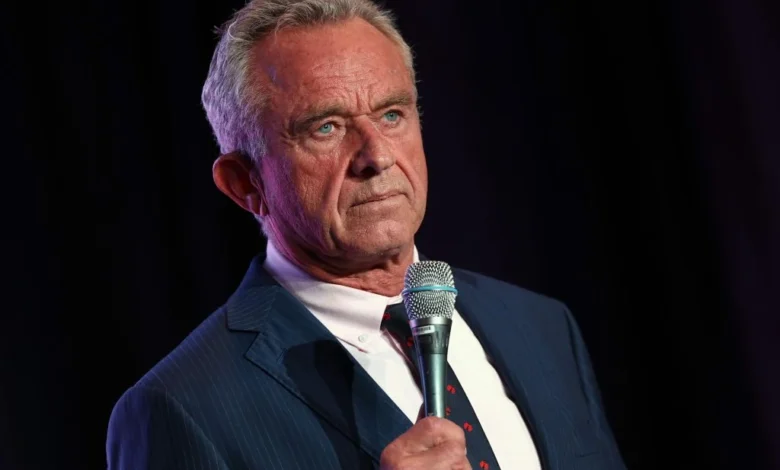
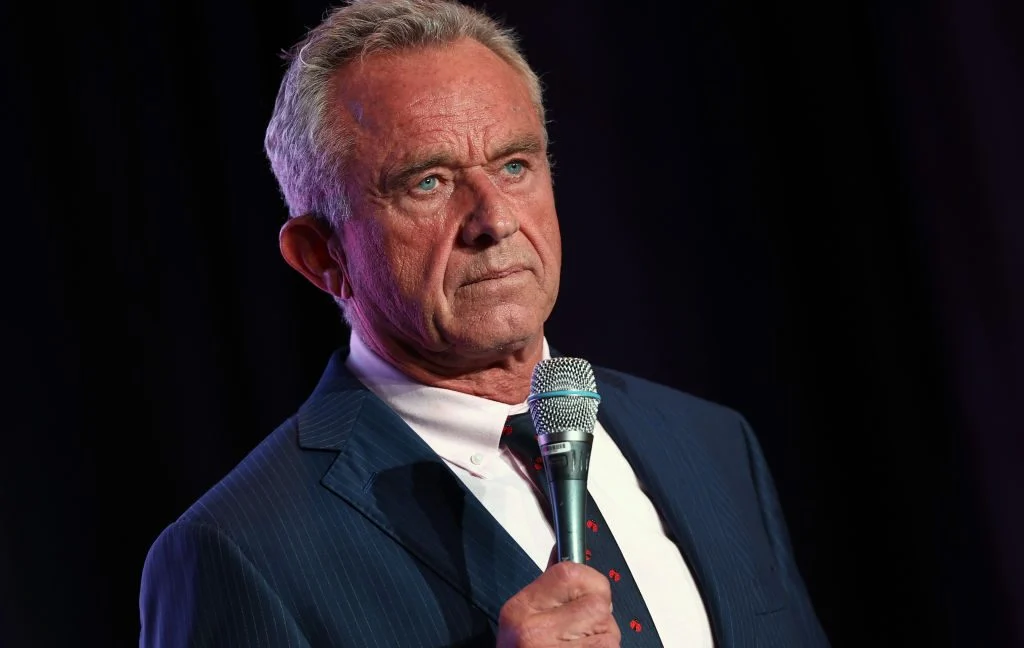
The involvement of Robert F. Kennedy Jr. in this year’s proceedings marks a notable inflection point in his public career. Having formally separated from the Children’s Health Defense upon assuming his role as health secretary in early 2025, Kennedy initially signaled a desire to distance himself from his long-standing role as an anti-vaccine activist. During his confirmation hearings, Kennedy famously asserted that he was “pro-vaccine,” a claim that drew sharp rebuke from medical experts who pointed to his decades-long history of promoting debunked theories, including the erroneous link between vaccines and autism.
However, the decision to headline a conference explicitly dedicated to the anti-vaccine cause suggests a strategic pivot back to his ideological roots. This move follows reports that President Donald Trump has expressed frustration regarding the pace at which the administration has moved to dismantle vaccination requirements and the lack of empirical progress in proving the long-discredited hypothesis that vaccines cause autism. By appearing at the CHD event, Kennedy is effectively signaling that his internal government role may not preclude him from participating in private-sector activism that contradicts his agency’s public health mandates.
The Scientific Context: Debunking the Autism Myth
The persistence of the anti-vaccine movement, particularly regarding the alleged autism link, remains a point of intense friction between political actors and the scientific establishment. The original claim, rooted in a 1998 study by Andrew Wakefield published in The Lancet, was retracted in 2010 after the study was found to be fraudulent. Subsequent, large-scale studies involving millions of children across the globe have repeatedly failed to find any causal link between vaccines and autism spectrum disorders.
Despite this, the narrative remains a cornerstone of the “health freedom” agenda. Public health organizations, including the Centers for Disease Control and Prevention (CDC) and the World Health Organization (WHO), maintain that vaccines are among the most effective medical interventions in human history. They estimate that immunization prevents between 3.5 and 5 million deaths every year from diseases such as measles, influenza, and diphtheria. The rhetoric presented at conferences like the CHD’s risks eroding public trust in these foundational medical tools, potentially leading to a resurgence of vaccine-preventable diseases.
Broader Implications for Public Health Policy
The collaboration between federal lawmakers and organizations like the CHD creates a complex dynamic for the future of U.S. health policy. When political leaders, such as Sens. Johnson and Paul, align themselves with non-scientific advocacy groups, it often leads to a "legitimization effect." This allows fringe views to penetrate mainstream political discourse, making it increasingly difficult for public health agencies to implement evidence-based policies.
Furthermore, the influence of the MAHA Institute and similar advocacy groups points to an organized effort to reshape the Department of Health and Human Services (HHS) from within. If the administration, under pressure from these groups, shifts its focus toward investigating debunked theories rather than addressing current health crises, the long-term impact on national health outcomes could be severe. Medical experts warn that the primary casualty of this political maneuvering is "vaccine literacy"—the ability of the public to distinguish between verified scientific data and politically motivated misinformation.
Official Responses and Academic Criticism
While the CHD characterizes their work as "freedom," medical associations have offered a different perspective. Organizations such as the American Academy of Pediatrics (AAP) and the American Medical Association (AMA) have consistently urged leaders to prioritize peer-reviewed research over populist rhetoric. In the wake of reports regarding the administration’s pressure to investigate vaccine safety, several independent health policy analysts have noted that such inquiries are not only redundant—given the exhaustive research already completed—but potentially dangerous.
"The danger isn’t just in the questions being asked," said one public health analyst familiar with the current political climate. "It is in the implication that established science is merely a matter of political opinion. When you hold a conference that treats settled science as an open debate, you provide a platform for misinformation to be treated with the same weight as peer-reviewed reality."
Looking Ahead: The September 17 Event
As the September 17 conference approaches, the attention of the media and the scientific community remains focused on what message the speakers will broadcast to their base. For the CHD, the event is an opportunity to consolidate influence and signal to their donors that their agenda remains a priority within the corridors of power in Washington. For the public at large, the event serves as a bellwether for how the current administration intends to balance political loyalty to its base against the scientific consensus that governs public safety.
The outcome of this conference will likely ripple through the legislative session, as proponents of the "health freedom" movement seek to translate the enthusiasm of the event into concrete policy changes. Whether these efforts result in substantive shifts in national vaccination programs or remain relegated to the realm of political advocacy will be a defining question for the remainder of the current administration’s tenure. For now, the event stands as a stark reminder of the widening divide between political strategy and public health reality in the United States.