A Father-Daughter Pilgrimage to the Smoky Shores of Islay: Inside the Ultimate Scottish Whisky Tour

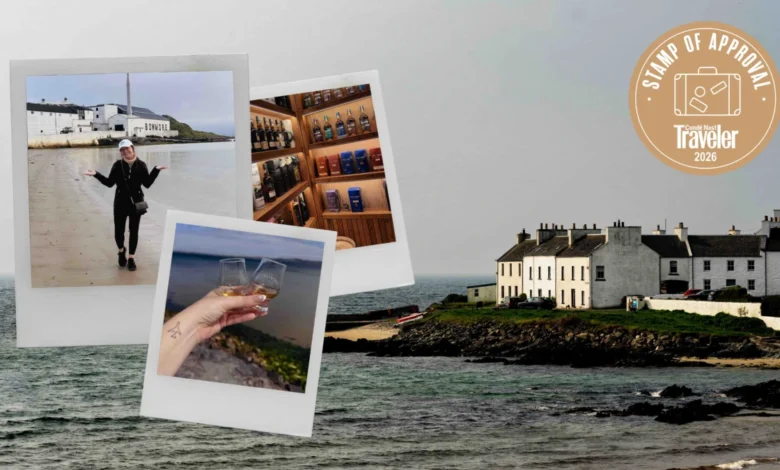
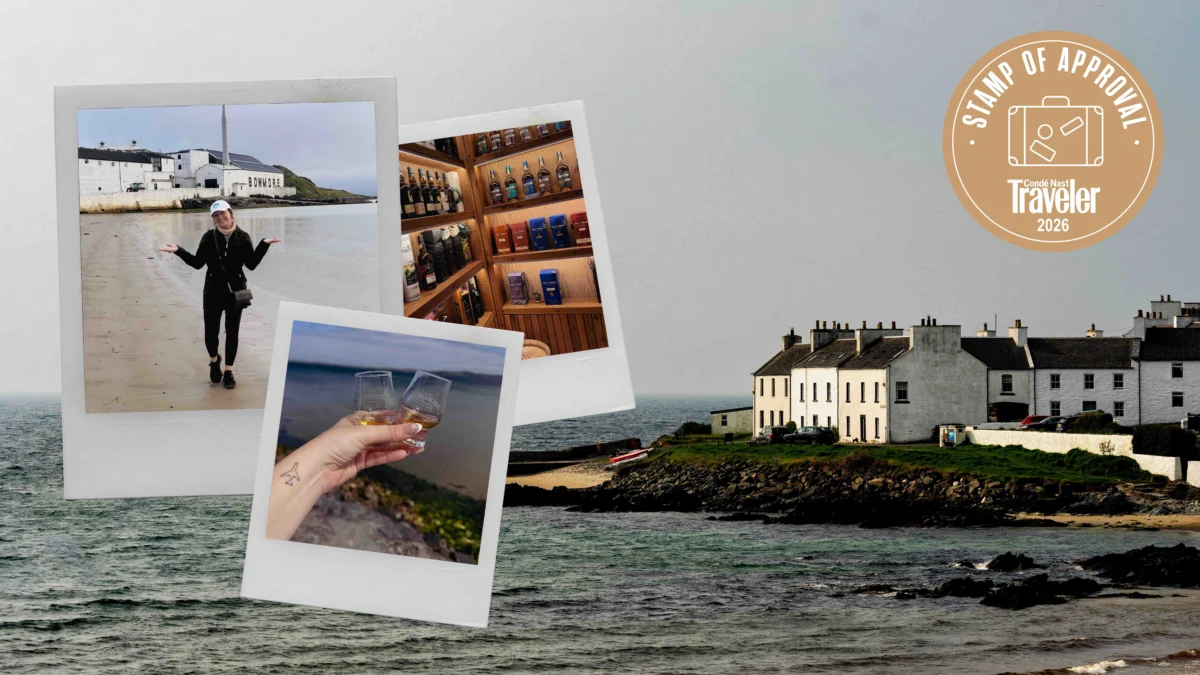
For aficionados of single malt scotch, the Isle of Islay represents the holy grail of distilling. Measuring just 240 square miles off the western coast of Scotland, this southernmost island of the Inner Hebrides produces some of the world’s most distinctive peated whiskies. For one traveler and her father, who was celebrating his milestone 60th birthday, a long-held dream of navigating Islay’s rugged coastline finally materialized through a comprehensive four-day small-group excursion operated by Rabbie’s Trail Burners Ltd.
The journey, departing from the cultural hub of Edinburgh, underscores a broader economic and tourism trend: the explosive growth of experiential whisky tourism in Scotland. With historical roots stretching back centuries, Scotland’s distilling sector has increasingly relied on guided multi-day itineraries to navigate the logistical complexities of remote island travel, offering travelers a seamless bridge between urban departure points and remote coastal distilleries.

The Logistics of Island Travel: Planning and Economics
Organizing an independent itinerary to Islay requires meticulous planning. Navigating transport from central Scotland to the ferry terminals at Kennacraig, securing vehicle space on Caledonian MacBrayne ferries, booking accommodations in villages with limited lodging capacity, and arranging distillery tours months in advance can prove daunting for international travelers.
Guided operators have capitalized on these friction points. The Rabbie’s four-day Islay and the Whisky Coast tour starts at approximately $609 per adult for baseline transport and guide services, with all-in packages reaching roughly $1,464 per traveler when factoring in shared accommodations and organized tastings. Operating with a strict cap of 16 passengers aboard a Mercedes mini-coach, the tour model attempts to strike a balance between group efficiency and personalized exploration.
According to tourism analysts, small-group excursions have seen a significant surge in post-pandemic travel markets. Consumers increasingly favor operators that handle administrative burdens while maintaining a low environmental and social footprint in fragile rural communities.

Chronology of the Journey: From the Lowlands to the Inner Hebrides
Day One: Departure and the Gateway to the Isles
The expedition commenced in Edinburgh, where participants gathered at the central bus station to meet their Glaswegian guide, Peter McShane. Setting a regional tone with traditional Celtic music playing over the coach’s sound system, the 16-seat Mercedes vehicle headed west.
The first major stop on the itinerary was Falkirk, located 25 miles outside Edinburgh, allowing travelers to view the iconic 100-foot-tall Kelpies horse-head sculptures designed by artist Andy Scott. The route then traversed the Lowlands into the mountainous vistas surrounding Loch Lomond and the Trossachs National Park. By midday, the group arrived in Oban, widely recognized as the "Gateway to the Isles." Following a walking tour of the coastal town, fresh seafood lunches, and an introductory tasting at the historic Oban Distillery—founded in 1794—the group boarded a vehicle bound for the ferry port of Kennacraig.
A two-hour afternoon crossing aboard the ferry traversed the calm waters of the Sound of Jura. As the distinctive peaks of the Paps of Jura faded into view, the vessel docked on Islay, marking the transition into a landscape defined by expansive peat bogs, rugged coastlines, and a tight-knit local population of approximately 3,200 residents. The evening concluded with an arrival in the historic whitewashed village of Bowmore, where participants checked into the Bowmore Distillery Cottages—a communal lodging arrangement featuring shared kitchens and living spaces designed to foster camaraderie among the tour group.

Day Two: The Western and Northern Distilleries
The second day began with a short walk to the Bowmore Distillery, the oldest operational distillery on Islay, established in 1779. The visit featured a historical seminar outlining the brand’s 240-year legacy, followed by an exclusive cask-strength sampling in the underground vaults and an upper-level tasting paired with artisanal chocolates overlooking Loch Indaal.
Due to the dynamic nature of island operations—where seasonal hours, maintenance schedules, and staffing limitations frequently require itinerary adjustments—the afternoon schedule shifted away from a planned visit to Kilchoman. Instead, the group diverted to the recently established Ardnahoe Distillery, Islay’s newest production facility, before moving on to Bunnahabhain, situated on the remote northeastern tip of the island. There, participants sampled four distinct drams amid panoramic views of the Sound of Islay.
Day Three: The Legendary South Coast
Day three centered on the famed Kildalton coast, home to Islay’s heaviest concentrations of peated whisky powerhouses: Ardbeg, Lagavulin, and Laphroaig.

The morning kicked off at Ardbeg Distillery. Despite Saturday scheduling restrictions that typically omit full production tours, the group was granted access to operational areas, concluding with a five-dram tasting session led by staff. A brief cultural excursion followed at the nearby Kildalton Church, housing an intricately carved eighth-century Celtic cross considered one of the finest early Christian monuments in the United Kingdom.
After a lunch stop in the historic port town of Port Ellen—built around the picturesque crescent of Leodamais Bay—the group visited Lagavulin for casual tastings at the harbor-front bar. The afternoon culminated at Laphroaig, where participants donned lanyards bearing traditional Glencairn tasting glasses for an in-depth tour covering traditional floor-maltings, peat kilns, and maturation warehouses.
Day Four: Return via the Arrochar Alps
The final morning required an early departure to catch the return ferry from Islay to the mainland. Following a traditional Scottish breakfast served on board, the coach journeyed northward through Inveraray, a historic castle town on the shores of Loch Fyne.

The route wound through the dramatic peaks of the Arrochar Alps, pausing at the famous "Rest and Be Thankful" viewpoint—a mountain pass historically named by weary travelers ascending the military road built in 1753. The expedition concluded with a final stop in the conservation village of Luss on the western shore of Loch Lomond before returning to Edinburgh in the evening.
Industry Implications and Economic Impact
The success of specialized regional itineraries highlights the vital economic symbiosis between Scotland’s tourism sector and its iconic Scotch whisky industry, which contributes billions of pounds annually to the UK economy. By decentralizing tourism away from major urban centers like Edinburgh and Glasgow, multi-day regional tours help sustain employment in remote areas such as Argyll and the Inner Hebrides.
However, industry experts note that the rapid rise in popularity of Islay whisky tourism presents distinct infrastructure challenges. Local councils and distillery operators must carefully balance the influx of global visitors with the preservation of the island’s fragile ecosystems, water resources, and housing availability.

For the birthday traveler and her father—the latter a collector boasting over 200 bottles of whisky at home—the investment yielded profound personal dividends. Beyond the technical appreciation of phenols, mash bills, and distillation techniques, the shared experience underscored the enduring cultural power of Scotland’s national drink: a medium for forging unexpected global connections against a backdrop of untamed coastal wilderness.