The Vicious Cycle of Fire Suppression and the Looming Reality of Megafires in the American West

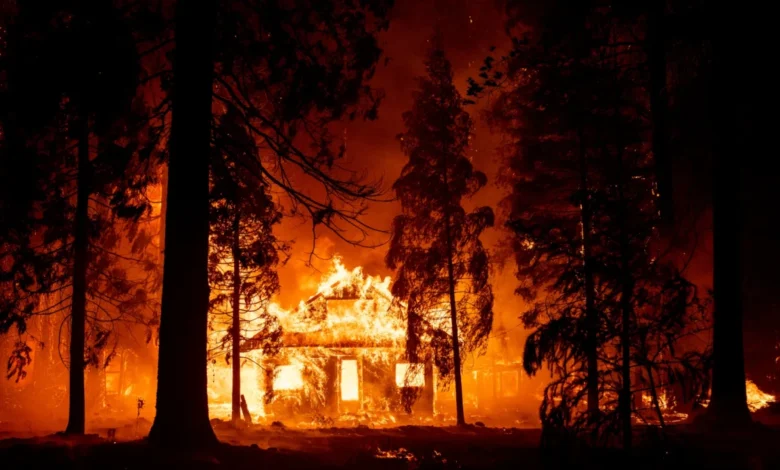
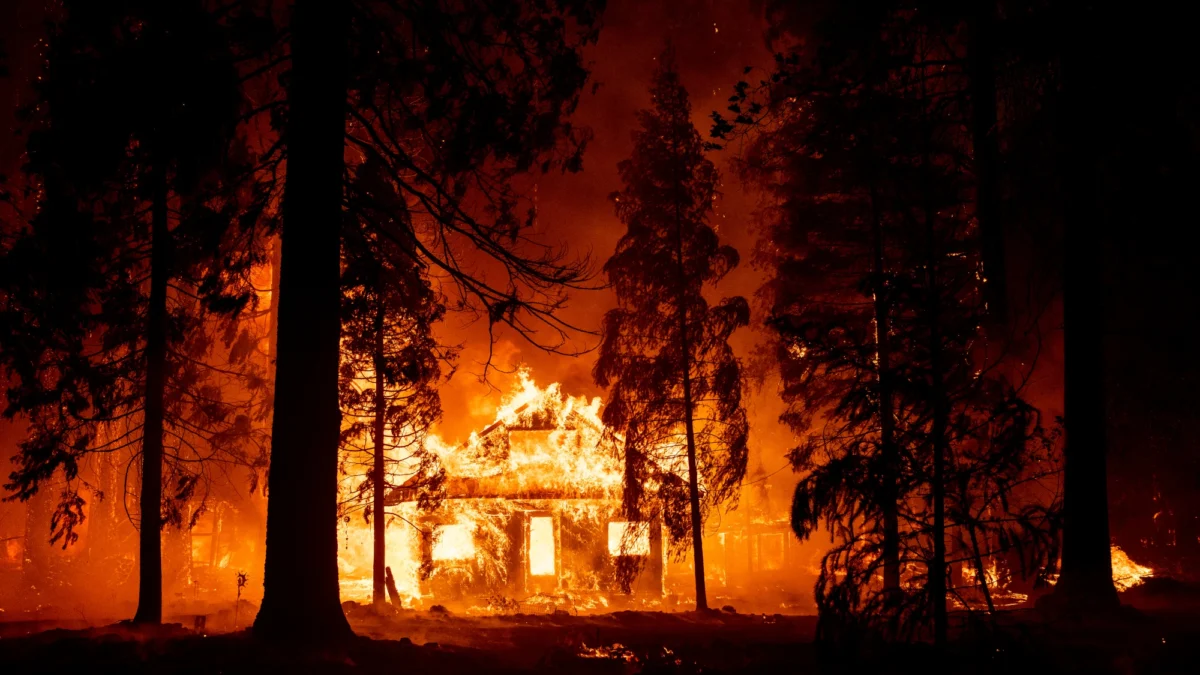
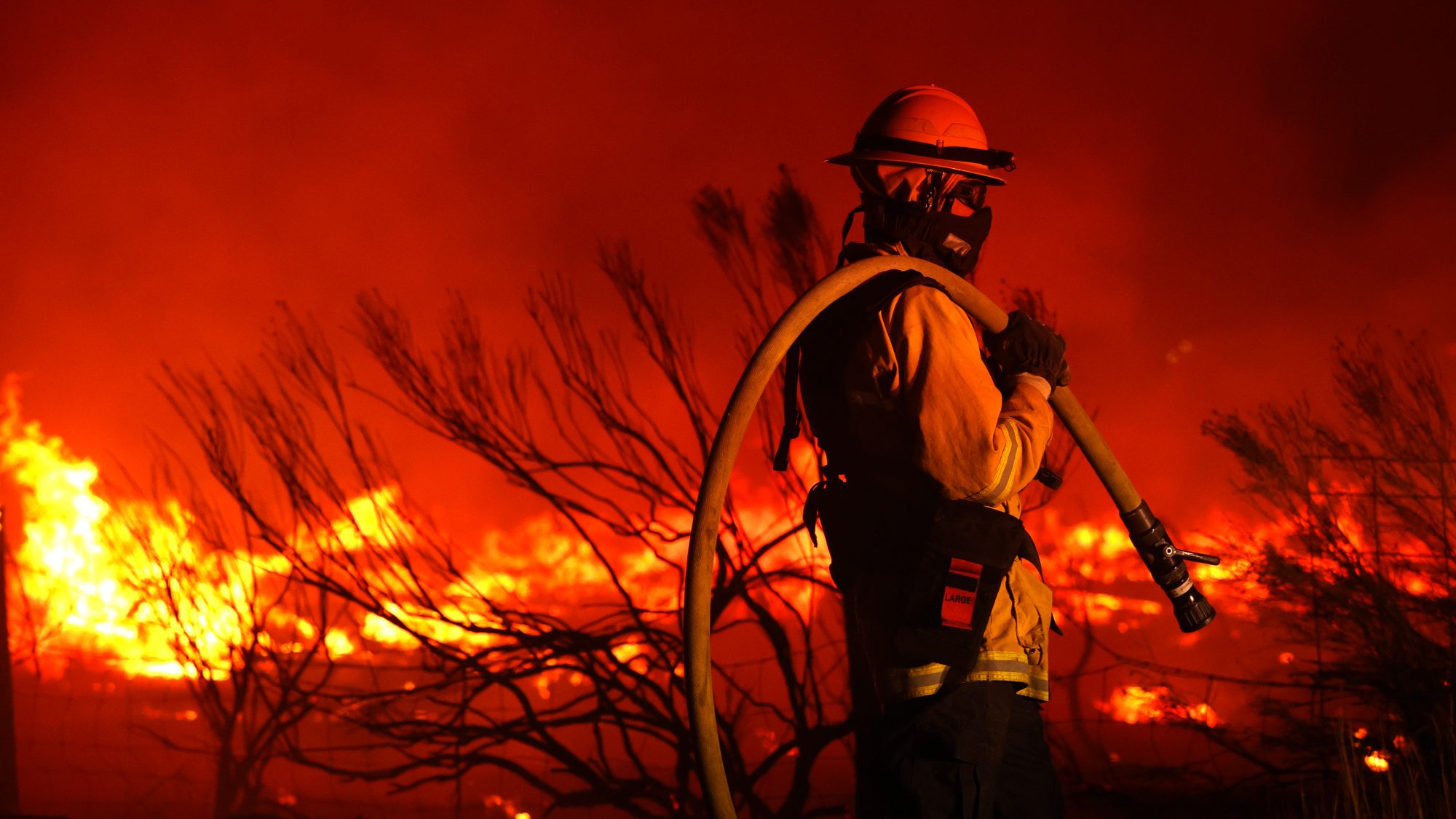
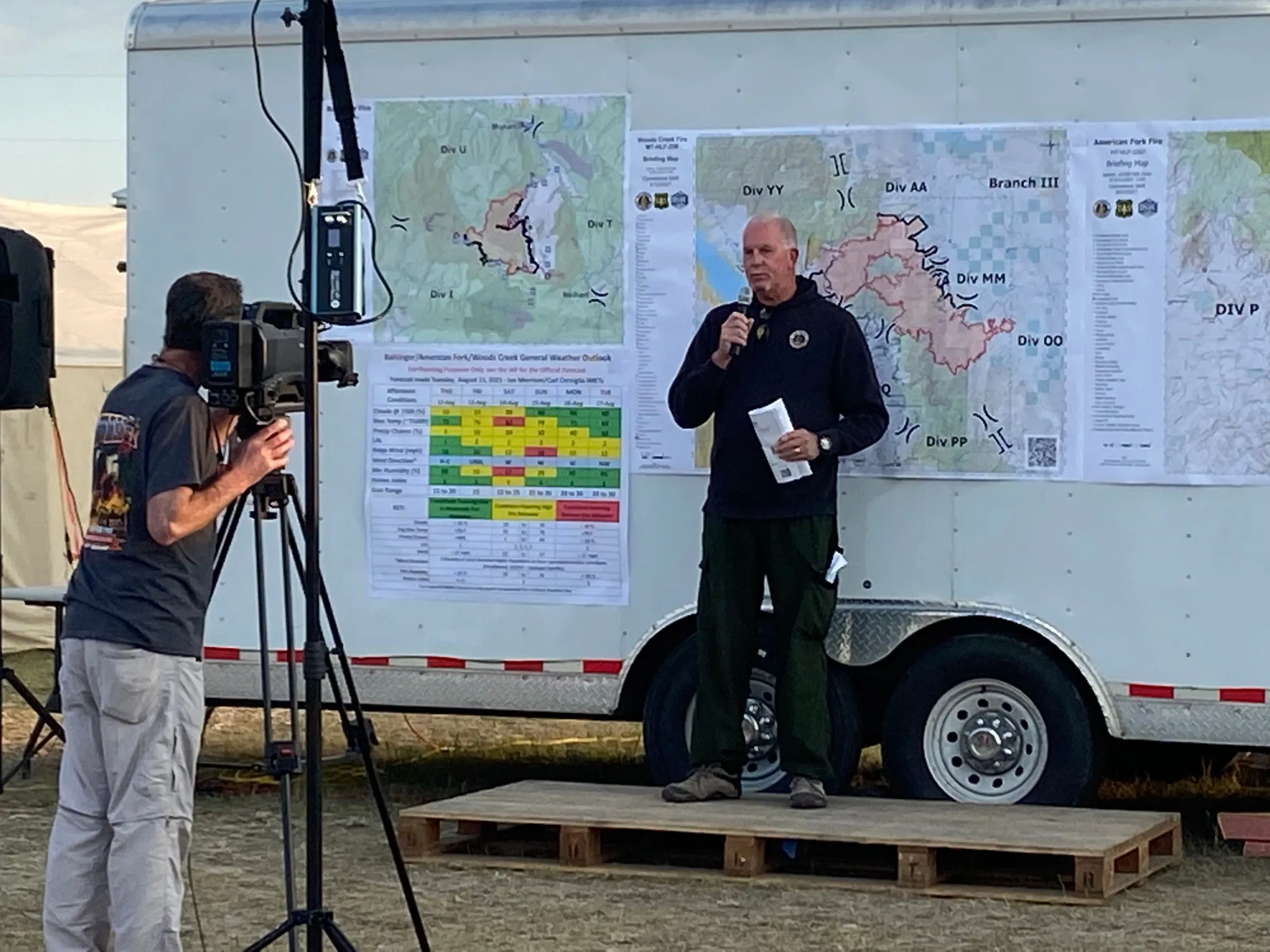
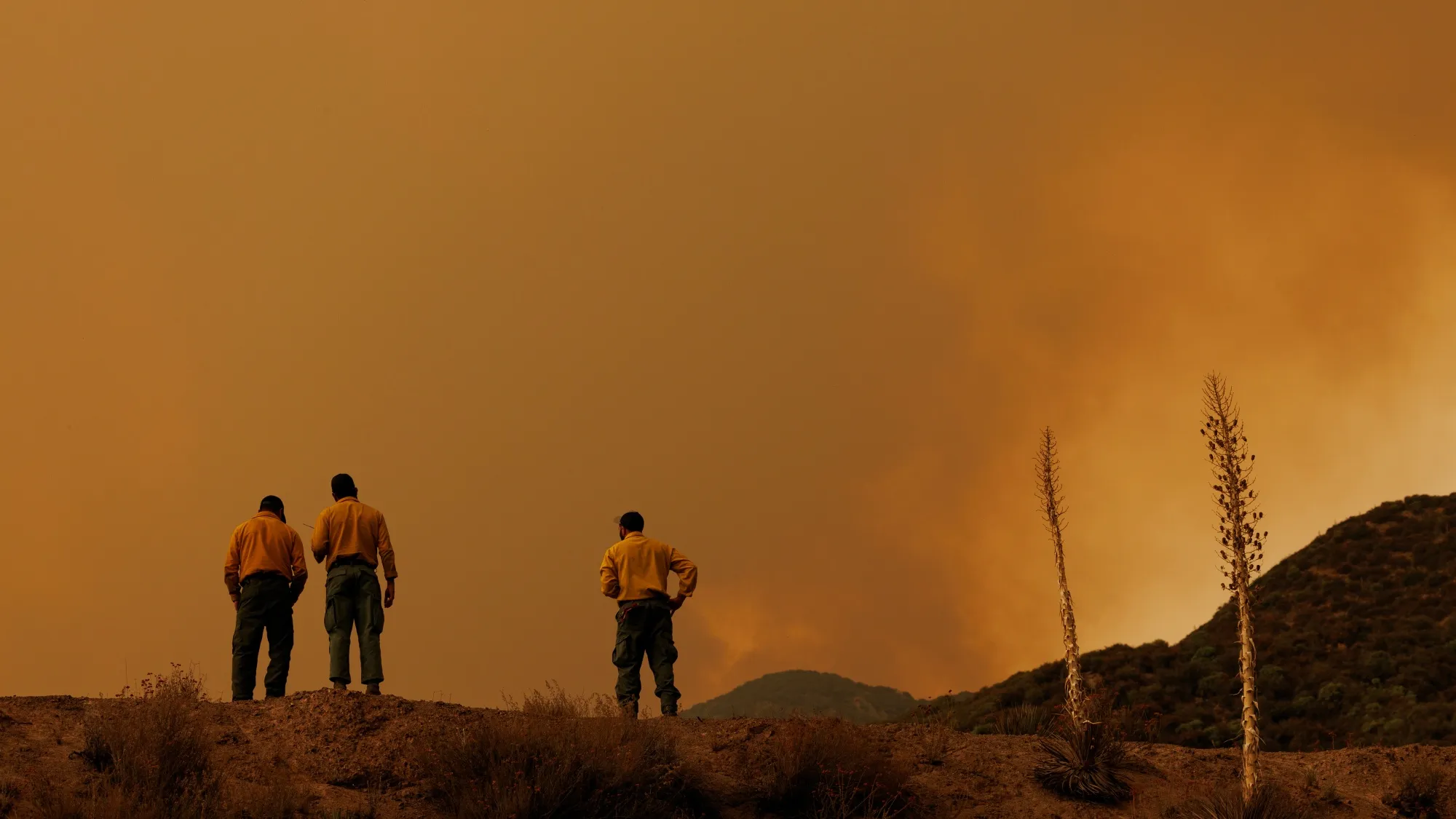
Dan Dallas, a seasoned incident commander for the U.S. Forest Service, has spent his career standing between volatile wilderness landscapes and the communities encroaching upon them. In August 2023, he arrived in Northern California to face a familiar, yet increasingly desperate, scenario: a series of lightning strikes had ignited multiple blazes across the Six Rivers National Forest, deep within the Klamath River gorge. As the fires coalesced into a complex, the pressure to deploy standard suppression tactics—bulldozing ridges, dropping thousands of gallons of fire retardant, and engaging in aggressive aerial bombardment—was immense. Yet, as Dallas surveyed the landscape, he was haunted by a realization that had been gnawing at him for years: by extinguishing every fire in its infancy, the agency was merely deferring a catastrophic outcome.
The logic of traditional fire suppression is deeply ingrained in the American consciousness, a legacy of a century-old mandate to protect timber assets and human settlements at any cost. However, for ecology experts and veteran firefighters, the modern era of fire management has shifted from a strategy of stewardship to a frantic, unsustainable game of whack-a-mole. This "doom loop"—a cycle of aggressive suppression leading to fuel accumulation, which in turn feeds increasingly severe megafires—has reached a critical breaking point.
A Century of Suppression and the Fuel Accumulation Crisis
For most of the 20th century, the federal government viewed wildfire as an unmitigated evil. The "10 a.m. policy," which required that every fire be contained by 10 a.m. the following morning, effectively ended the natural cycle of low-intensity fire that had maintained forest health for millennia. In fire-adapted ecosystems, regular, small-scale burns clear out dead brush, thin out overcrowded saplings, and recycle nutrients into the soil.
When that natural cycle is halted, the forest floor becomes a storehouse for combustible material. Over decades, this "fuel loading" transforms healthy, resilient forests into densely packed tinderboxes. When climate change introduces record-breaking temperatures, prolonged droughts, and reduced snowpacks, the result is a landscape primed for explosive combustion. Today’s fires do not simply burn; they incinerate. They reach temperatures that sterilize the soil, destroy seed banks, and fundamentally alter the landscape, often preventing forests from regenerating and instead converting them into fire-prone shrublands.
The 2013 Foresight Panel: A Warning Ignored
In 2013, the U.S. Forest Service took the unusual step of convening a panel of futurists, science fiction writers, and fire scientists to model the trajectory of American wildfire. Their 2015 report, Wildland Fire Management Futures, provided a stark, prescient warning: the current suppression-based approach was fundamentally incompatible with the changing climate.
The panel concluded that if the United States did not pivot toward a model of "coexistence" with fire, the risk would continue to escalate until landscapes "reset catastrophically." The report identified that the agency was effectively self-selecting for the most destructive fires possible. Despite this, the policy shift toward allowing natural fires to burn—often termed "managed wildfire"—has been repeatedly stifled by political pressure, public fear, and the logistical nightmare of managing fire in an era of extreme weather.
The Economic and Logistical Toll
The financial burden of this cycle is staggering. In the 1990s, the federal government spent an average of $450 million annually on wildfire suppression. By 2021, that figure had climbed to $4.3 billion, and research published earlier this year projects costs could reach $13 billion annually by the end of the century if current trends persist.
The problem is systemic: suppression is treated as an emergency, granting fire managers immediate access to unlimited funding and resources. In contrast, preventative measures like prescribed burning or mechanical thinning are viewed as discretionary, subject to complex bureaucratic hurdles and limited budgets. As a result, fire crews are often pulled away from critical fuel-reduction projects to fight active fires, creating a vacuum where the "prep work" for fire season is left undone.
Private contractors in the aerial firefighting industry also face a perverse incentive structure. Because they are primarily paid for active suppression, they are often deployed even when aerial intervention is of marginal effectiveness. As lobbyist Phil Hardy noted, these companies operate on razor-thin margins and rely on the height of fire season for their entire annual revenue, leaving them with little incentive to advocate for long-term, non-suppression strategies.
The Conflict Between Suppression and Stewardship
The current administrative stance has further complicated this dynamic. Under recent directives, the federal government has doubled down on full suppression, even for fires that do not pose an immediate threat to human life or property. While the Forest Service maintains that it recognizes the scientific necessity of fire, the reality on the ground is a struggle to balance ecological needs with political mandates.
Adam Mendonca, deputy director of Fire and Aviation Management, acknowledges that the agency must increase its use of prescribed fire by a factor of two to ten to have any hope of turning the tide. However, the agency’s capacity is at a breaking point. A 2025 ProPublica investigation found that over a quarter of Forest Service firefighting positions remained unfilled, and the agency’s total prescribed burn acreage plummeted from 2.2 million acres in 2024 to 1.2 million in 2025.

The Human Element: When Strategy Meets Sentiment
The primary obstacle to changing fire policy may be the most difficult to address: the emotional impact of wildfire. The "war on fire" narrative is potent, fueled by 24-hour news coverage of burning homes and desperate evacuations. When an incident commander decides to allow a fire to burn through a remote wilderness area to reduce fuel loads, they are effectively betting against the possibility of a freak weather event that could push that fire toward a community.
"It’s the inherent human bias of, right now, the easiest thing for me to do would be to make this fire go away," said Dave Calkin, a retired Forest Service research forester. "If something goes bad, I am responsible. If in the future it actually saved something really important, I’d never get credit for it."
The Path Forward: A Call for Balance
The path out of the "doom loop" requires a fundamental restructuring of how Americans perceive and fund wildfire management. Experts argue for a three-pronged approach:
- Community Hardening: Shifting the focus from fighting fires in the deep backcountry to protecting the "Wildland-Urban Interface" (WUI) through better building codes, defensible space requirements, and fire-resistant infrastructure.
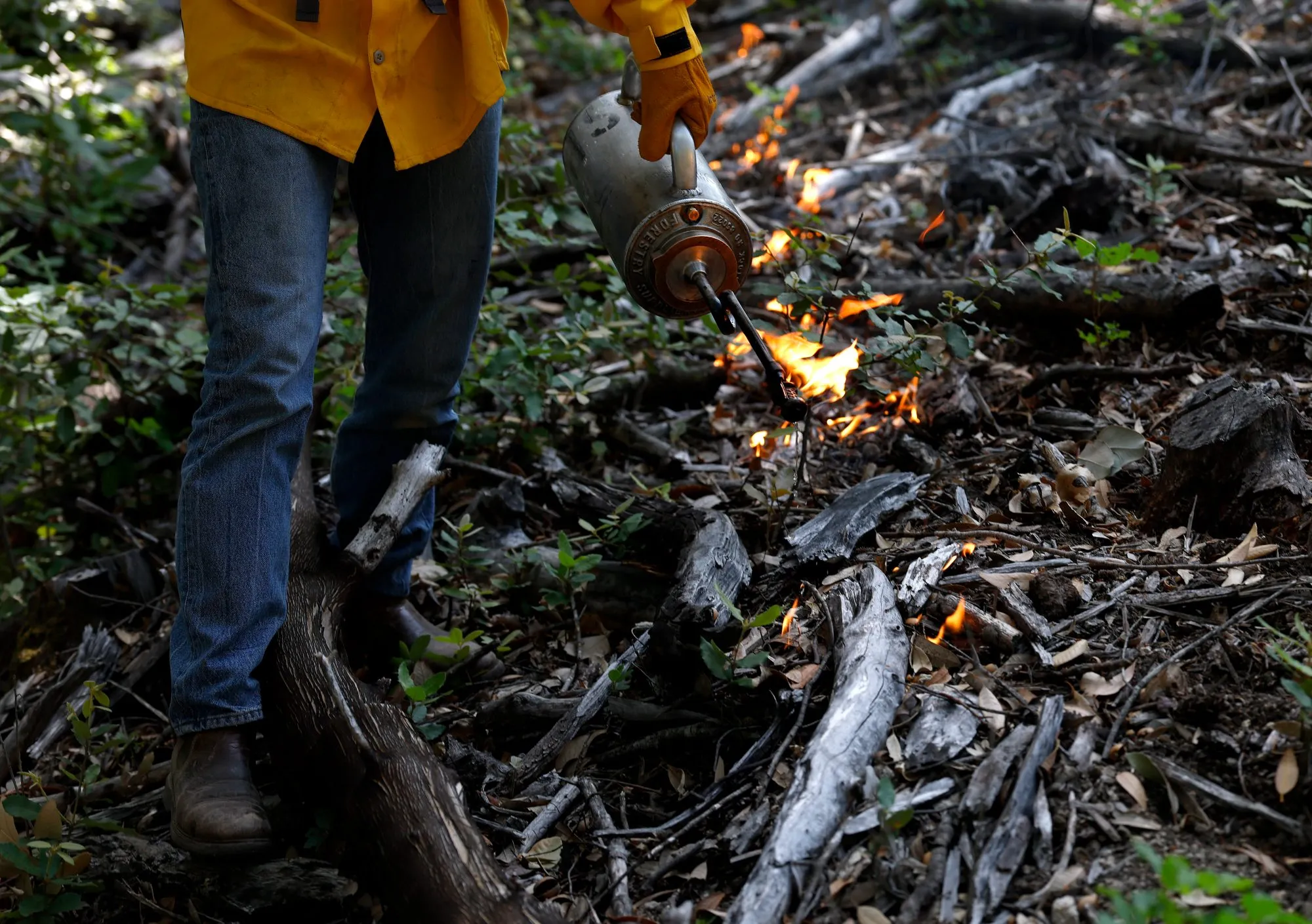
- Strategic Managed Fire: Empowering incident commanders to use low-intensity natural fires as a tool to clear fuels, rather than reflexively suppressing every ignition.
- Fiscal Reform: Moving away from the "emergency-only" funding model and creating a permanent, protected budget for year-round forest management and fuel reduction, independent of the volatility of fire season.
For professionals like Dan Dallas, the urgency is palpable. Having seen his teams stretched to their limit—often receiving word that no reinforcements are available because every national resource is already deployed—he knows the current trajectory is unsustainable. As he looks at the maps of the American West, he sees a landscape increasingly defined by the fires that were fought yesterday, which have created the conditions for the, perhaps inevitable, megafires of tomorrow.
The question facing the nation is no longer whether we can suppress fire, but whether we can learn to live with it. Without a significant shift in policy, technology, and public perception, the forests of the West will continue to be a theater of recurring, high-stakes combat, with the intensity of the flames growing in lockstep with our refusal to adapt. The futures panel’s warning from 2013 remains as relevant today as it was then: the landscape will reset. The only choice left is whether that reset happens through controlled, proactive management or through the unchecked destruction of our remaining wild places.
Related posts: