Black and Hispanic homeowners are paying a disproportionate share of skyrocketing home insurance costs according to a new national report.



The mounting financial burden facing communities of color has reached a critical juncture as climate-driven disasters become more frequent and severe. A comprehensive analysis released in July 2026 by the Consumer Federation of America (CFA)—a non-profit coalition representing nearly 250 consumer organizations—reveals a stark trend: homeowners in predominantly Hispanic and Black neighborhoods are paying significantly higher premiums than their counterparts in white communities for identical policy coverage.
The Scope of Financial Inequity
According to the data, homeowners in predominantly Hispanic ZIP codes pay, on average, 30 percent more annually for home insurance than residents in white neighborhoods, amounting to an additional $950 per year. For Black homeowners, the disparity sits at 16 percent, or an average of $500 more annually.
These figures are not merely anecdotal; they represent a compounding financial crisis. Over the typical 30-year span of a mortgage, these additional costs equate to at least $28,500 in extra insurance expenses for Hispanic households and $15,000 for Black households. The CFA study utilized a methodology designed to isolate the impact of location and race by comparing identical insurance policies, effectively filtering out variables related to the individual homeowner’s credit profile, home age, or specific property characteristics. While some insurers argue that local risk factors—such as flood zones or proximity to wildfire-prone areas—account for these discrepancies, the CFA report notes that even when these actuarial variables are adjusted, a significant "racial gap" remains.
Historical Context and the Legacy of Redlining
To understand the current crisis, one must look at the historical framework of American housing. The practice of "redlining," which emerged in the 1930s under the Home Owners’ Loan Corporation, involved the government-sanctioned practice of marking neighborhoods as "hazardous" for mortgage lending based largely on the racial and ethnic composition of the residents.
Although the Fair Housing Act of 1968 officially outlawed these discriminatory lending practices, the structural consequences of decades of disinvestment are deeply embedded in the American landscape. These areas often lack the robust public infrastructure, such as advanced drainage systems or fire-resistant building materials, that wealthier, historically white neighborhoods possess. As the climate crisis accelerates, these infrastructure deficits translate into higher physical risks, which insurers incorporate into their pricing models.
While overt racial discrimination in insurance pricing is illegal today, critics argue that the reliance on proprietary algorithms and "proxy data" reproduces the same exclusionary outcomes of the redlining era.
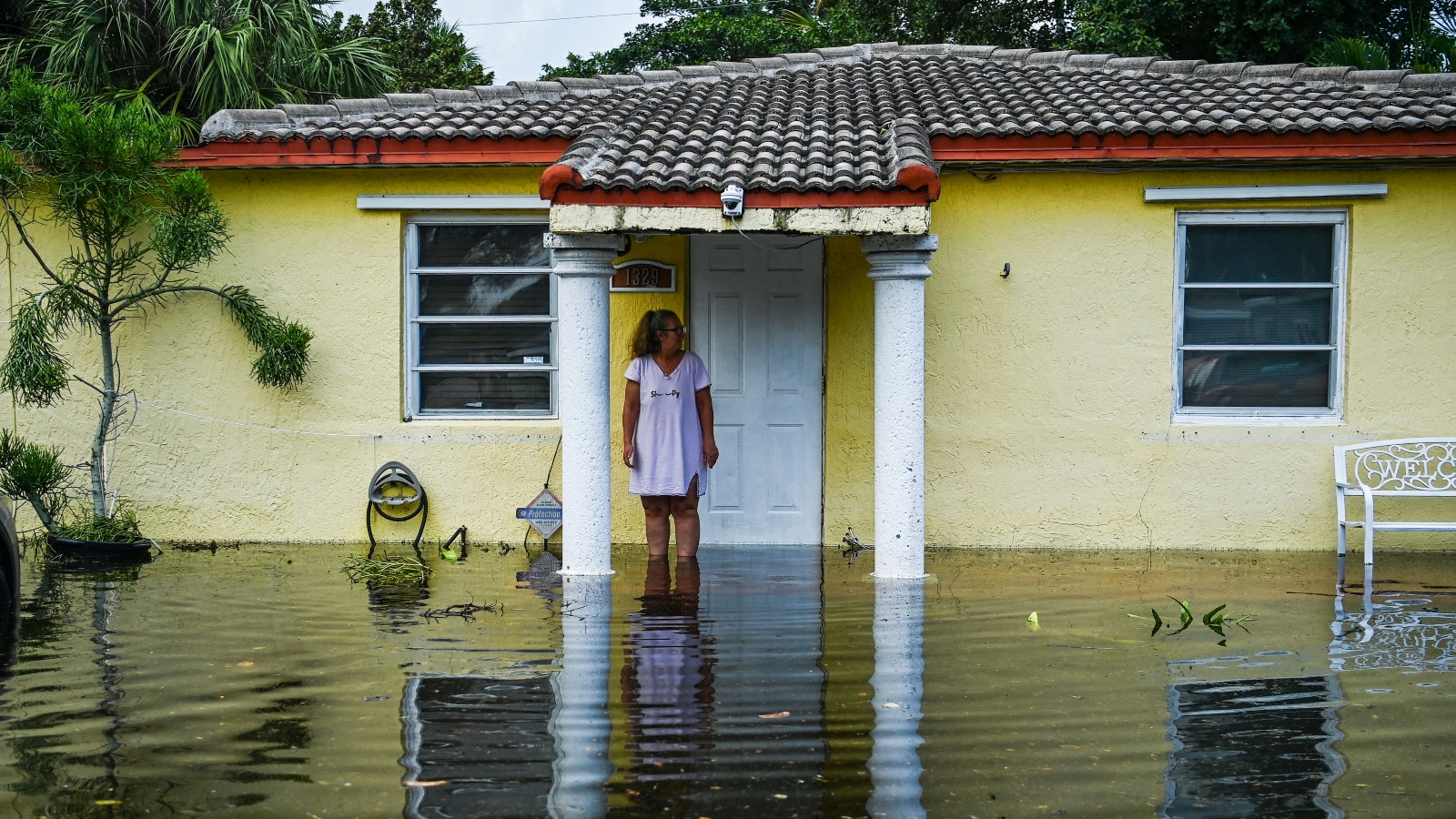
Chronology of Regulatory and Legal Action
The tension between insurance affordability and equitable access is not a new phenomenon, but it has intensified as the climate crisis causes insurance markets to harden.
- 1990s: A wave of high-profile lawsuits against major insurers, including Nationwide and American Family Mutual Insurance, alleged that the companies systematically discouraged agents from selling coverage in Black neighborhoods and used racial profiling to deny or provide inferior policies to Black homeowners. These companies eventually settled for millions of dollars, acknowledging the systemic nature of the discrimination.
- 2021–2024: During this period, the average cost of home insurance across the United States surged by 24 percent. This spike was driven by a combination of rising construction costs, inflation, and the increased frequency of "billion-dollar disasters"—weather events fueled by rising greenhouse gas emissions.
- July 2026: The Consumer Federation of America publishes its comprehensive report on racial disparities, highlighting that the burden of this price surge is falling disproportionately on minority communities.
Industry Perspectives and Actuarial Defense
The insurance industry, represented by organizations such as the Insurance Information Institute (III), maintains that its rating systems are strictly regulated and devoid of racial bias. Mark Friedlander, a spokesperson for the III, emphasized that premiums are determined by objective risk assessment models that are approved by state insurance departments.
"Using race, or any proxy for race, to set insurance rates is illegal in every U.S. jurisdiction," Friedlander stated. "State insurance regulators review and approve the rating factors insurers use precisely to guard against that. Many of the communities cited in these reports are located in areas with objectively higher catastrophe exposure or higher costs to rebuild and repair after a loss."
From this perspective, the industry argues that the disparity is a reflection of geography rather than intent. However, the CFA report counters that the shift toward opaque, artificial intelligence-driven underwriting models has made it increasingly difficult for regulators and consumers to audit how these "risk factors" are calculated.
Regional Disparities: A Closer Look
The financial strain varies significantly by geography. The CFA report identifies specific states where the disparity is most pronounced. In Florida, the epicenter of the current national insurance crisis, Hispanic homeowners in predominantly Hispanic ZIP codes pay 58 percent more—or $5,014 annually—for the same coverage as their counterparts in white communities.
The disparity in Black communities is even more severe in other parts of the country. In Michigan, residents in predominantly Black ZIP codes face premiums 74 percent higher than in white neighborhoods, a difference of $1,768 per year. Pennsylvania follows with a 57 percent disparity, and New Jersey, Massachusetts, and New York also show significant, though smaller, gaps.
The Role of Algorithmic Bias
A significant concern raised by the report is the use of non-traditional data in premium pricing. For instance, insurance companies frequently use credit scores as a major factor in setting rates. Research has shown that due to historic and ongoing structural inequities, Black and Hispanic Americans are statistically more likely to have lower credit scores than white Americans.
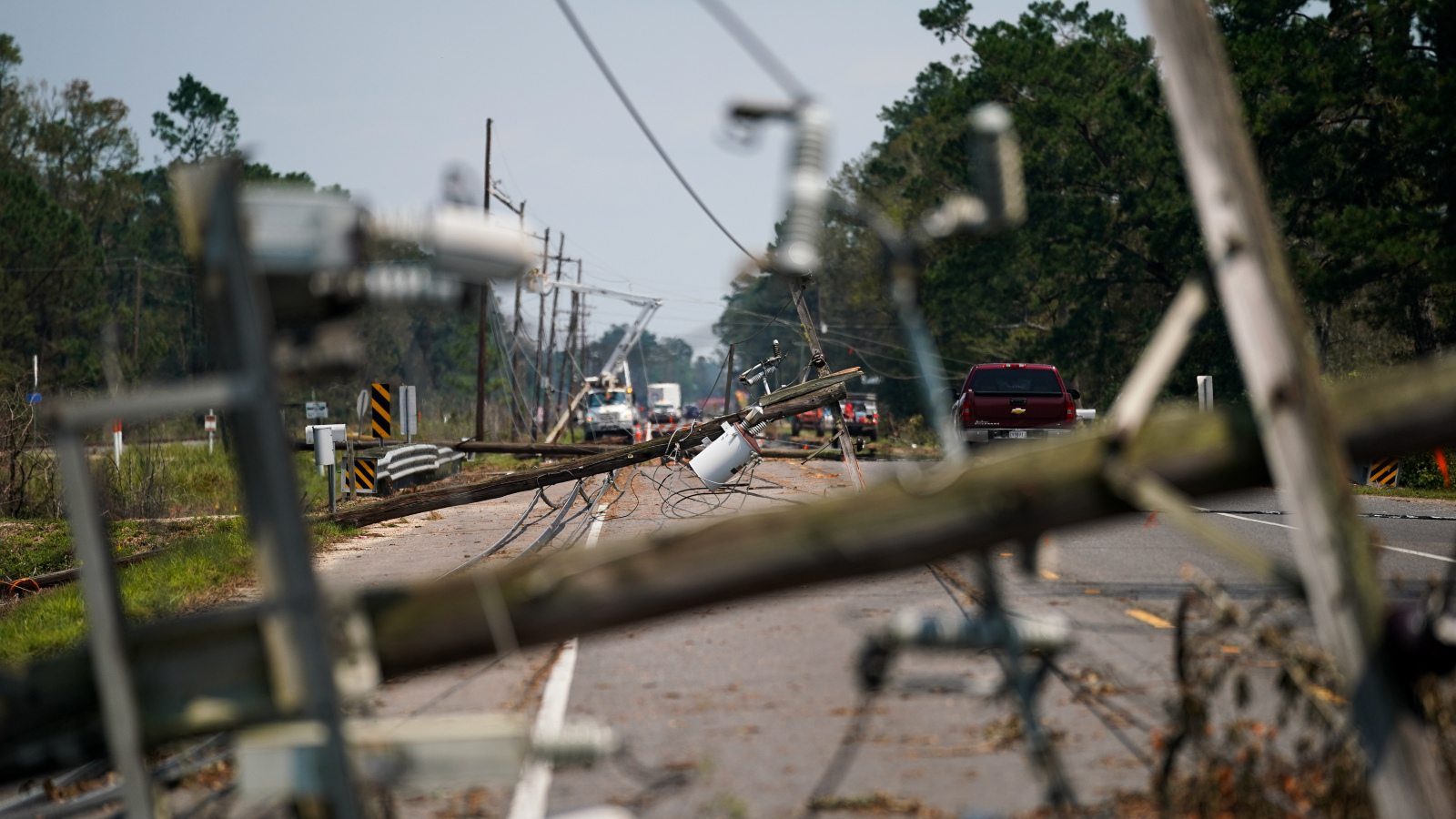
By using credit scores as a primary metric, insurers may be inadvertently using a proxy for race, according to Sharon Cornelissen, director of housing at the CFA. "I’m not saying that they have some secret race factor that they put into their model," Cornelissen noted. "A lot of this bias can kind of creep in if they’re not paying attention to potential unequal impacts. A lot of this could be through AI models or other factors that have a disproportionate impact on Black and Hispanic communities."
Implications and Future Outlook
The broader implications of this trend are profound. As premiums rise beyond the reach of lower- and middle-income families, many are forced to either "go bare"—remaining uninsured—or settle for inadequate coverage. This creates a cycle where a single disaster can lead to total financial ruin for a family, further eroding the wealth-building potential of homeownership in minority communities.
Experts like Moira Birss, a senior fellow at the Climate and Community Institute, describe the current situation as an "unconscionable" affordability crisis. The report calls for a dual approach to reform: first, increased transparency from the insurance industry regarding how they calculate premiums; and second, a shift in government policy toward climate resilience.
Friedlander suggests that the most effective path forward is to reduce risk through physical infrastructure improvements. By investing in climate-resilient building codes and providing more funding for disaster mitigation, the industry argues it can lower the objective risk of a property, thereby lowering the premiums for everyone.
However, advocates argue that without strict enforcement of fair housing laws and a critical examination of the algorithms that drive insurance pricing, the gap will continue to widen. As climate change continues to stress the insurance market, the question of who pays the price—and why—is set to remain at the forefront of the debate on housing justice in the United States. Without systemic intervention, the "greenlining" of safer, higher-ground properties and the "redlining" of higher-risk, lower-income areas may become the defining feature of the American housing market in the coming decade.