Robert Irwin Highlights the Ecological and Cultural Significance of the Sunshine Coast as Global Wildlife Ambassador

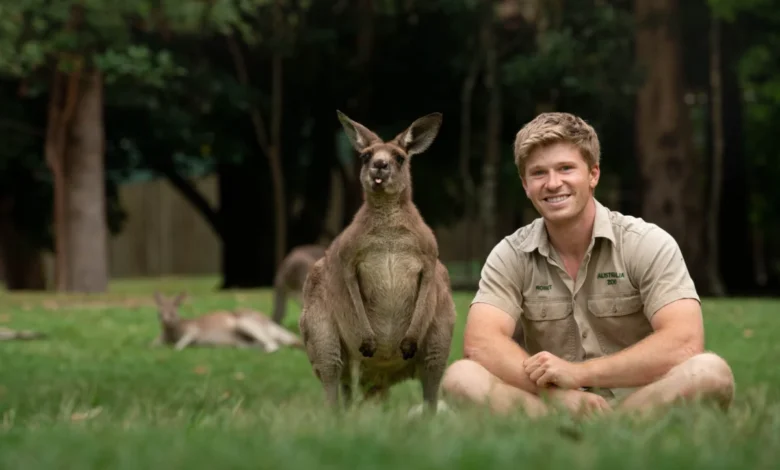
The Sunshine Coast of Queensland, Australia, has long been defined by its unique intersection of subtropical rainforests, volcanic peaks, and pristine coastline, but perhaps its most recognizable association remains the Irwin family and their stewardship of Australia Zoo. Robert Irwin, the 20-year-old son of the late conservationist Steve Irwin, has recently articulated a comprehensive vision of the region not merely as a tourist destination, but as a critical hub for global conservation and a model for "free-range" ecological upbringing. Irwin, who serves as a primary ambassador for both the zoo and the broader Queensland tourism sector, describes his life at the 700-acre wildlife sanctuary as an "unusual but awesome" experience that has shaped his professional purpose: the preservation of Australia’s natural heritage.
The Historical Evolution of Australia Zoo and the Irwin Legacy
To understand the weight of Robert Irwin’s connection to the Sunshine Coast, one must look at the chronology of Australia Zoo. The facility was originally opened by Bob and Lyn Irwin in 1970 as the Beerwah Reptile and Fauna Park. Over the subsequent five decades, it evolved from a local reptile park into a world-renowned wildlife conservatory. Steve Irwin, who took over management in the early 1990s, transformed the site into a global brand, utilizing media to fund massive land acquisitions for conservation.

Today, the zoo encompasses over 700 acres, a significant portion of which is dedicated to the Australia Zoo Wildlife Hospital, one of the busiest facilities of its kind in the world. Robert Irwin’s upbringing within this environment—characterized by his mother, Terri Irwin, as a "free-range" childhood—involved daily interactions with apex predators and endangered species. This immersive experience has translated into a professional drive to maintain the family’s conservation legacy. Irwin currently hosts the Disney+ series Dancing with the Stars: The Next Pro, but he maintains that his primary "office" remains the African Savannah exhibit and the crocodile territories of the Sunshine Coast.
Geographical Profile: From Volcanic Peaks to Coastal Reserves
The Sunshine Coast region is geographically distinct, located approximately 100 kilometers north of Brisbane. It is defined by the Glass House Mountains, a series of eleven volcanic plugs that rise abruptly from the coastal plain. These peaks, formed between 26 and 27 million years ago, are of significant cultural importance to the Gubbi Gubbi people and serve as a primary recreational and ecological landmark for the region.
Irwin identifies these mountains as a cornerstone of the Sunshine Coast experience, recommending sunrise hikes to witness the interplay of light over the hinterlands. The proximity of these volcanic structures to the coast—often less than a 20-minute drive—creates a rare ecological gradient. This transition from temperate "alpine-style" rainforests, such as those found in Mary Cairncross Scenic Reserve, to the white-sand beaches of Mooloolaba and Noosa, provides a diverse range of habitats for Australian flora and fauna.

Biodiversity and Conservation Data in the Region
The Sunshine Coast is a biodiversity hotspot, supporting a vast array of species that are currently facing significant environmental pressures. Irwin’s advocacy highlights several key species:
- The Koala (Phascolarctos cinereus): In 2022, the Australian government officially listed the koala as "Endangered" across Queensland, New South Wales, and the Australian Capital Territory. Australia Zoo’s "Cuddly Koala Encounter" and its hospital play a vital role in the rehabilitation of wild populations affected by habitat loss and disease.
- Humpback Whales (Megaptera novaeangliae): The waters off Mooloolaba are part of the "Humpback Highway." Between June and November, approximately 35,000 to 40,000 whales migrate along the Queensland coast. The region has become a premier site for sustainable whale watching, contributing significantly to the local economy.
- Marine Life: The reefs off the Sunshine Coast, while distinct from the Great Barrier Reef further north, support significant populations of sea turtles, rays, and sharks. The local government has implemented various Marine Park zones to protect these corridors.
Irwin emphasizes that the "jewel in the crown" of the region is the ability to connect with these animals in their natural habitats. He points to the Mary Cairncross Scenic Reserve as a relic of the ancient rainforests that once covered the area, now serving as a sanctuary for pademelons—small macropods that resemble miniature kangaroos—and various rare bird species.
The Economic Impact of Wildlife Tourism
Tourism is a primary economic driver for the Sunshine Coast. According to data from Tourism and Events Queensland, the region saw a significant post-pandemic recovery, with domestic visitor expenditure reaching record highs in recent years. Wildlife tourism, anchored by Australia Zoo, accounts for a substantial portion of this revenue.
%2520(1).jpg)
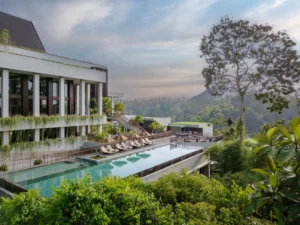
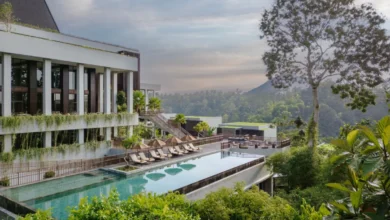
The zoo’s recent expansion into luxury eco-tourism with the Crocodile Hunter Lodge illustrates a shift in the regional business model. By integrating high-end accommodation with botanical gardens and wildlife sightings, the facility aims to attract a demographic that prioritizes sustainable travel. Irwin notes that the lodge has become an accidental sanctuary for wild kangaroos and cockatoos, demonstrating how curated landscapes can support local biodiversity.
Regional Highlights: A Curated Guide by Robert Irwin
In his capacity as a local expert, Irwin provides a strategic itinerary for visitors seeking to experience the authentic Sunshine Coast. His recommendations focus on the balance between adventure, conservation, and local culture.
Coastal and Surf Culture
The town of Noosa is highlighted as a premier destination for surfers, featuring one of the most famous longboard breaks in the world. Beyond the main beach, Irwin points to "Hell’s Gates," a rocky headland within Noosa National Park that offers panoramic views of the Pacific Ocean. This area is frequently used for spotting dolphins and migratory whales from the shore. Mooloolaba is also cited as a vital beach town, serving as the gateway for sea life excursions and morning surf sessions.

Culinary and Nightlife Trends
Reflecting the region’s laid-back atmosphere, Irwin describes the local nightlife as centered around campfires and outdoor dining rather than traditional metropolitan clubs. He identifies "Rice Boi" in Mooloolaba as a centerpiece of the local food scene, offering Asian-influenced cuisine in a high-energy waterfront setting. For a more secluded experience, he recommends the hinterland towns, such as Maleny and Montville, which feature "hidden gem" cafes and high-end dining like The Long Apron and The Tamarind, the latter of which provides an Asian-fusion menu integrated into the rainforest environment.
The "Warrior" Philosophy
At Australia Zoo, the Warrior Restaurant and Bar serves as both a dining venue and a tribute to the "Wildlife Warriors" conservation program. The restaurant utilizes local produce, reinforcing the regional "farm-to-table" ethos that is prevalent across the Sunshine Coast.
Analysis: The Role of Media in Modern Conservation
Robert Irwin’s transition from a child of a media icon to a legitimate conservationist and media personality in his own right reflects a broader trend in environmental advocacy. The "Irwin effect" has historically relied on high-energy media engagement to fund tangible land conservation. Irwin’s current work with Disney+ and his massive social media presence (exceeding 5 million followers on Instagram alone) serve as a modern iteration of this strategy.

Industry analysts suggest that Irwin’s ability to frame the Sunshine Coast as a "life-changing" destination is crucial for maintaining public interest in biodiversity. By positioning himself as a "free-range" product of the environment, he validates the region’s ecological value to a global audience. This form of "celebrity conservation" is often viewed as essential in an era where traditional scientific communication may struggle to reach younger demographics.
Implications for Future Regional Development
As the Sunshine Coast continues to grow, the tension between urban development and environmental preservation remains a central political and social issue. The local government has committed to various "Green Space" initiatives, but the expansion of infrastructure to accommodate rising tourism numbers poses a challenge.
Irwin’s public statements reinforce the necessity of preserving the "small-town vibe" and the rugged hinterlands that define the region. His advocacy suggests that the future of the Sunshine Coast lies in its ability to remain a "sanctuary" rather than a traditional urban corridor. For Irwin, the region is more than a home; it is a "purpose." His commitment to continuing the family legacy ensures that the Sunshine Coast will remain synonymous with the Irwin name and the global conservation movement for the foreseeable future.

Through the lens of Robert Irwin, the Sunshine Coast is presented as a masterclass in ecological resilience. Whether through the lens of a camera, the edge of a surfboard, or the gates of Australia Zoo, the message remains consistent: the natural world is a resource to be shared, protected, and experienced with "unending enthusiasm."