Global Momentum Builds for Social Media Bans Targeting Minors Amid Growing Concerns Over Youth Mental Health and Online Safety

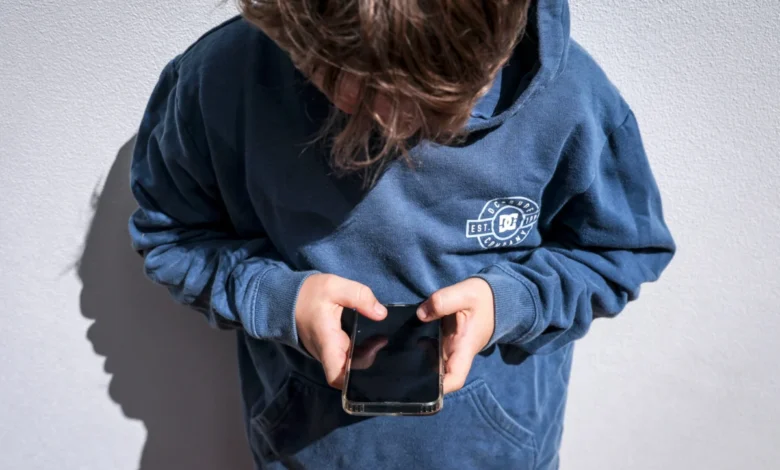
Over the past months, a significant and rapidly accelerating global movement has seen numerous countries announce, propose, or implement plans to restrict social media access for children and teenagers. This concerted effort marks a pivotal shift in digital policy, driven by mounting concerns over the detrimental effects of online platforms on young users’ mental health, safety, and development. Australia notably became the first nation to fully implement such measures at the close of last year, setting a precedent that jurisdictions worldwide are now scrutinizing and often emulating. France has recently joined this growing list, passing legislation to ban social media for those under 15, underscoring the broad consensus emerging among policymakers regarding the urgent need for intervention.
The regulations and legislative proposals being brought forth by governments across the globe share a common objective: to mitigate the pervasive pressures and inherent risks that young users frequently encounter on social media. These dangers are multifaceted, encompassing the psychological toll of cyberbullying, the addictive design of platforms, the exacerbation of mental health issues such as anxiety, depression, and body image disorders, and the very real threat of exposure to online predators and inappropriate content. The increasing volume of research and anecdotal evidence linking excessive social media engagement to a decline in adolescent well-being has provided a powerful impetus for these legislative actions.
However, this proactive governmental stance is not without its critics. Concerns regarding individual privacy, particularly in the context of invasive age verification technologies, and the specter of excessive government intervention in digital lives have been prominently raised. Organizations like Amnesty Tech have vocally argued that outright bans may prove ineffective, potentially ignoring the complex realities of how younger generations interact with and benefit from digital spaces, and suggesting that such measures represent a "quick fix" rather than a comprehensive solution to online harms. Despite these valid criticisms and the intricate challenges of implementation, a substantial number of nations are pressing ahead with their proposed legislation, signaling a global determination to prioritize child protection in the digital realm.
The Genesis of a Global Movement: A Response to a Growing Crisis
The current wave of social media restrictions is a direct response to a burgeoning public health crisis among youth. For years, educators, parents, and healthcare professionals have voiced alarm over the rising incidence of mental health conditions—including anxiety, depression, eating disorders, and self-harm—among adolescents, often correlating these trends with increased social media use. Data from organizations like the World Health Organization and national health bodies have highlighted concerning statistics: a significant percentage of teenagers report feeling addicted to their phones, experiencing sleep disturbances, and suffering from low self-esteem directly linked to social media comparisons. The design features of these platforms, such as endless scrolling, notification systems, and algorithmic content delivery, are often cited as intentionally addictive, exploiting developmental vulnerabilities in the adolescent brain.
Furthermore, the prevalence of cyberbullying has transformed schoolyard taunts into relentless, 24/7 harassment that leaves no escape for victims. The anonymity and reach of social media amplify these harms, making it difficult for young people to find respite. Exposure to inappropriate content, from violence and sexual material to dangerous self-harm challenges, also poses a significant threat that existing content moderation efforts have struggled to contain effectively. These factors collectively have galvanized governments, shifting the debate from self-regulation by tech companies to proactive legislative mandates.
A Chronology of National Actions
The following countries represent a growing list that have either enacted or are actively pursuing bans on social media for young users, demonstrating the global scope of this regulatory trend:
-
Australia (December 2025): As the world’s first country to implement such a comprehensive ban, Australia set a significant global benchmark. Its legislation prohibits children under 16 from accessing major platforms including Facebook, Instagram, Snapchat, Threads, TikTok, X, YouTube, Reddit, Twitch, and Kick. Notably, messaging services like WhatsApp and curated content platforms like YouTube Kids are exempt, reflecting a nuanced approach to online interaction. The Australian government has placed a firm onus on social media companies to actively prevent underage access, demanding multi-factor verification methods beyond simple age declarations. Non-compliance carries severe financial penalties, reaching up to $49.5 million AUD ($34.4 million USD), signaling the government’s serious intent.
-
Denmark (November 2025 announcement, mid-2026 expected law): Denmark is poised to ban social media for children under 15. The government secured broad cross-party parliamentary support for this measure, highlighting a national consensus on the issue. Plans include the launch of a "digital evidence" app, featuring age verification tools, which could become an integral part of enforcing the ban.
-
Malaysia (November 2025 announcement, 2026 implementation): Malaysia declared its intention to ban social media for children under 16, with implementation planned for the current year. This move reflects a broader concern in Southeast Asia regarding digital safety for minors.
-
Germany (February 2026 discussion): German Chancellor Friedrich Merz’s conservative party initiated discussions on a proposal to bar children under 16 from social media. While the intent is clear, reports indicate hesitation from center-left coalition partners, suggesting ongoing internal debate regarding the scope and enforceability of such a ban.
-
Poland (February 2026 drafting): Poland’s ruling party is actively drafting legislation that would prohibit children under 15 from using social media. This initiative has been framed by some as a direct challenge to the influence of large U.S. technology companies, reflecting a desire for greater national control over digital spaces.
-
Slovenia (February 2026 drafting): Slovenia announced it is drafting legislation to prohibit children under 15 from accessing social media. The country’s deputy prime minister specifically cited platforms like TikTok, Snapchat, and Instagram as targets for regulation, emphasizing concerns over content sharing and addictive design.
-
Spain (February 2026 announcement): Spain’s prime minister announced plans to ban social media for children under 16, pending parliamentary approval. This initiative is part of a broader legislative push that also seeks to hold social media executives personally accountable for illegal and hateful content disseminated on their platforms, indicating a comprehensive approach to online safety.
-
Indonesia (March 2026 announcement): Indonesia stated its intention to ban children under 16 from using social media and other popular online platforms, including YouTube, TikTok, Facebook, Instagram, Threads, X, Bigo Live, and Roblox. This wide-ranging prohibition underscores a significant commitment to protecting its younger population in the digital sphere.
-
Austria (March 2026 announcement, June finalization): Austria announced its plans to ban social media for children up to the age of 14, with draft legislation expected to be finalized by June. This swift progression demonstrates a strong governmental will to implement protective measures.
-
Greece (April 2026 announcement, January 2027 implementation): Greek Prime Minister Kyriakos Mitsotakis announced that the country would ban social media access for children under 15 starting in January 2027. Mitsotakis explicitly linked this decision to tackling rising anxiety and sleep problems among children, as well as the addictive design characteristics inherent in many social media platforms.
-
Turkey (April 2026 bill passed): The Turkish parliament passed a bill to restrict social media access for children under 15. The legislation now awaits acceptance by President Recep Tayyip Erdogan to officially become law, signifying a major step towards regulation in the region.
-
Canada (June 2026 bill introduced): The Canadian government introduced a digital safety bill that proposes a ban on social media for children under 16. The legislation includes a unique provision allowing social media companies to potentially sidestep the ban if they can demonstrably prove they have robust policies in place to protect young users, suggesting a flexible regulatory framework. Officials anticipate the bill could take up to a year to pass through the legislative process.
-
United Kingdom (June 2026 announcement): UK Prime Minister Keir Starmer announced that his government would impose a ban on social media use for children under 16. The ban is intended to apply broadly across platforms such as Snapchat, TikTok, YouTube, Instagram, Facebook, and X. Similar to Australia, messaging services like WhatsApp and Signal are expected to be exempt. The UK’s proposal also extends to AI tools, with "romantic companion" chatbots required to ensure they are only accessible to individuals over 18. While acknowledging potential enforcement challenges, Starmer expressed confidence in the feasibility of the ban, targeting implementation by spring 2027.
-
France (July 2026 law passed): France recently passed a law on July 21, banning social media access for anyone under 15. This law could take effect as early as September 1, making France one of the quickest nations to move from proposal to implementation. Building on existing regulations, the law also extends the ban on cellphones in high schools, a measure already in place in primary and middle schools, reflecting a comprehensive strategy for digital detox in educational environments.
The Debate: Protection Versus Freedom and Practicality
The global push for social media bans has ignited a vigorous debate among various stakeholders.
Arguments for the bans primarily center on child protection and public health. Proponents, including many child advocacy groups and parents, highlight the urgent need to shield children from cyberbullying, predatory behavior, and the documented mental health harms associated with early and extensive social media exposure. They argue that platforms have failed to adequately self-regulate, necessitating governmental intervention. The "addictive by design" nature of these platforms, which leverage psychological principles to maximize engagement, is often cited as particularly dangerous for developing minds.
Critics, however, raise significant concerns. Amnesty Tech’s stance, for example, emphasizes the potential ineffectiveness of outright bans, suggesting that tech-savvy children might easily circumvent restrictions using VPNs, older siblings’ accounts, or by migrating to less regulated, ‘darker’ corners of the internet where supervision is even scarcer. Furthermore, they argue that blanket bans fail to acknowledge the positive aspects of social media for some young people, such as fostering communities, accessing information, and expressing identity, especially for marginalized groups.
Privacy advocates express alarm over the methods required for age verification. Implementing robust age gates often involves collecting sensitive biometric data (e.g., facial scans) or requiring official identification, raising serious questions about data security, potential misuse, and the erosion of privacy rights for both minors and adults. The prospect of a global digital identity system for online access is a dystopian vision for many civil liberties groups.
Social media companies themselves face immense pressure. While many have announced investments in new safety features and age verification technologies, they also grapple with the technical complexity and immense cost of compliance across diverse national regulations. Losing a significant portion of their potential user base also represents a substantial economic challenge. They often advocate for digital literacy education and parental controls as more effective alternatives to outright prohibition.
Implications and the Path Forward
The implications of these global bans are far-reaching:
- Enforcement Challenges: The core challenge lies in effective enforcement. Relying on age verification technology is fraught with difficulties, including accuracy issues, potential for circumvention, and privacy concerns. The "cat-and-mouse" game between regulators and tech-savvy youth is likely to intensify.
- Digital Literacy vs. Prohibition: A fundamental question remains whether prohibition or education is the more sustainable solution. Many experts argue that fostering digital literacy, critical thinking skills, and media awareness among children and parents is crucial, regardless of bans.
- Parental Role Redefined: These bans could shift more responsibility onto parents to monitor and guide their children’s online activities, even as governments attempt to create a safer digital environment.
- Economic Impact: Social media platforms will incur significant costs in developing and implementing compliant age verification systems, potentially leading to a restructuring of their business models, especially if they lose access to a vast segment of their future user base.
- Future of Platform Design: This regulatory pressure may compel platforms to fundamentally redesign their services, moving away from engagement-at-all-costs models towards designs that are inherently safer and more developmentally appropriate for different age groups.
- Global Regulatory Harmonization: The patchwork of varying age limits (from under 14 to under 16) and diverse regulatory requirements across countries presents a complex compliance landscape for global tech companies, potentially leading to calls for more international cooperation and standardized digital safety laws.
- Unintended Consequences: Concerns persist that bans could inadvertently drive children to less visible, less moderated platforms or private chat groups, where they might be even more vulnerable to harm without the protective oversight of larger platforms or parental awareness.
The global trend towards restricting social media access for minors represents a profound re-evaluation of the internet’s role in children’s lives. It underscores a growing consensus among governments that the digital wild west is no longer acceptable when it comes to the well-being of the next generation. While the debate over the most effective and ethical approach continues, the momentum for legislative action is undeniable, setting the stage for a new era of digital regulation focused squarely on child protection. This ongoing evolution of policy will undoubtedly shape the future of online interaction for decades to come, demanding continuous adaptation from governments, tech companies, parents, and young people themselves.