Category High School Sports

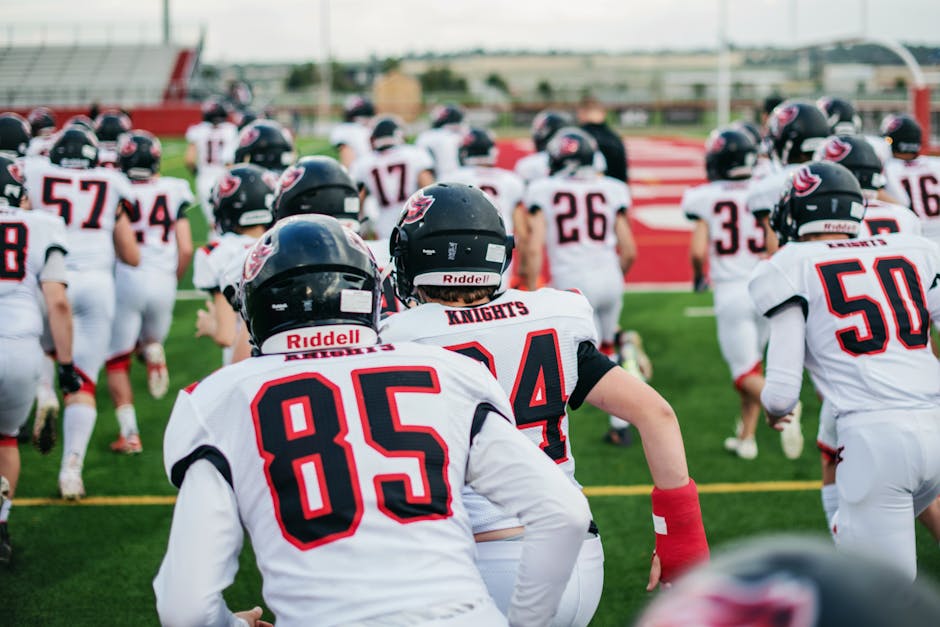
High School Sports: Building Character, Fostering Community, and Shaping Futures
High school sports represent a fundamental pillar of the American educational experience, extending far beyond mere athletic competition. These programs are instrumental in developing well-rounded individuals, instilling crucial life skills, and forging lasting bonds within school communities. Participation in sports offers a unique platform for adolescents to learn about teamwork, discipline, perseverance, leadership, and sportsmanship. The inherent challenges and triumphs encountered on the field, court, or track directly translate into valuable character development, preparing students for the complexities of adulthood. Moreover, athletic programs serve as powerful community connectors, uniting students, parents, alumni, and faculty under a shared banner of pride and support, fostering a sense of belonging and collective identity. The dedication required to excel in a sport, balancing rigorous training with academic responsibilities, cultivates a strong work ethic and time management skills that are indispensable for future academic and professional success. Beyond these immediate benefits, high school sports can also unlock pathways to higher education through athletic scholarships, offering a tangible return on investment for dedicated athletes.
The sheer variety of high school sports available caters to a diverse range of student interests and physical aptitudes. From traditional powerhouses like football, basketball, and track and field to emerging popular sports like soccer, volleyball, and swimming, there’s an opportunity for nearly every student to find a niche. These sports can be broadly categorized to understand their distinct demands and developmental impacts. Team sports, such as baseball, softball, lacrosse, and hockey, emphasize collective effort, strategic coordination, and the interdependence of individuals for success. In these disciplines, players learn to communicate effectively, trust their teammates, and understand their roles within a larger offensive or defensive framework. The ebb and flow of a team game, with its shared victories and defeats, provides a powerful lesson in collective responsibility and the importance of supporting one another. The dynamics of team sports also foster leadership opportunities, as captains and key players naturally emerge to guide and motivate their peers. Individual sports, including tennis, golf, wrestling, gymnastics, and cross-country, place a greater emphasis on personal accountability, self-reliance, and individual performance. While still often part of a team structure, success in these sports hinges on the athlete’s personal drive, practice regimen, and mental fortitude. Athletes in individual sports learn to push their own limits, overcome personal challenges, and develop a strong sense of self-efficacy. They are directly responsible for their preparation, execution, and performance, fostering a profound understanding of cause and effect in their athletic endeavors. The mental toughness required to perform under pressure without the immediate support of teammates is a hallmark of success in individual pursuits.
Beyond these broad classifications, specific sports within these categories offer unique developmental benefits. Contact sports like football and wrestling, while often generating the most public attention, demand a high level of physical conditioning, strategic thinking, and resilience. They teach participants about controlled aggression, discipline in the face of physical challenges, and the importance of injury prevention and recovery. The tactical elements of these sports, requiring constant assessment of opponents and strategic adaptation, hone problem-solving skills. Endurance sports such as track and field (long-distance events), cross-country, and swimming, build exceptional cardiovascular fitness, mental stamina, and the ability to persevere through discomfort. These athletes learn the value of consistent training, pacing, and the psychological fortitude to maintain effort over extended periods. Skill-based sports like basketball, soccer, volleyball, and baseball/softball require fine motor control, hand-eye coordination, spatial awareness, and quick decision-making under pressure. These sports develop athletes’ ability to react rapidly to dynamic situations, execute precise movements, and understand complex game strategies. The constant need for adaptation and quick thinking is a significant benefit. Aesthetic sports like gymnastics, figure skating, and cheerleading combine athleticism with artistic expression, requiring strength, flexibility, grace, and a high degree of coordination. These disciplines emphasize precision, dedication to mastering complex routines, and the ability to perform under scrutiny, fostering a unique blend of physical prowess and artistic presentation.
The administrative and logistical frameworks supporting high school sports are complex and vital for their successful operation. School athletic departments, under the leadership of athletic directors, manage budgets, schedules, equipment, facilities, and coaching staff. These departments navigate intricate regulations set by state athletic associations, which govern eligibility, competition rules, and safety protocols. Coaching is a critical component, with dedicated coaches not only imparting technical skills but also serving as mentors, role models, and educators. Effective coaching involves understanding adolescent psychology, fostering positive team dynamics, and promoting a healthy balance between athletic pursuits and academic responsibilities. The recruitment and retention of qualified coaches are paramount, as their influence extends far beyond the playing field. Volunteerism also plays a significant role, with parents and community members often contributing time and resources to support athletic programs, from fundraising to assisting with game-day operations. The financial demands of running a high school sports program can be substantial, encompassing equipment purchases, facility maintenance, transportation, and staff salaries. Schools often rely on a combination of general funds, athletic boosters, sponsorships, and ticket sales to meet these financial obligations. This financial management necessitates strategic planning and often involves difficult decisions regarding resource allocation.
The impact of high school sports on student development is well-documented and multifaceted. Academic benefits are a significant, though sometimes overlooked, aspect. Studies consistently show a correlation between athletic participation and higher academic achievement. The discipline and time management skills learned through sports often translate into improved study habits and better academic performance. Furthermore, the camaraderie and support networks formed within athletic teams can create a positive peer influence, encouraging academic success. The eligibility requirements for most high school sports, which mandate maintaining a certain GPA, act as a direct incentive for athletes to prioritize their studies. Social development is profoundly influenced by participation in sports. Students learn to interact with a diverse range of individuals, build friendships, and develop communication and conflict resolution skills. Teamwork fosters a sense of belonging and shared purpose, reducing feelings of isolation and promoting social integration. Athletes often develop strong leadership qualities, learning to motivate others, take responsibility, and work collaboratively towards common goals. The shared experiences of wins and losses, the intense training sessions, and the triumphs and setbacks on the field create powerful bonds that often last a lifetime. Physical development is an obvious and crucial outcome. Regular participation in sports promotes cardiovascular health, strength, flexibility, and coordination, contributing to overall physical well-being and reducing the risk of chronic diseases later in life. It also instills healthy lifestyle habits that can be carried into adulthood. Character development is perhaps the most enduring legacy of high school sports. Athletes learn the importance of perseverance, resilience, and grit in the face of adversity. They learn to handle both success and failure with grace and humility, developing sportsmanship and respect for opponents and officials. The lessons learned in dealing with challenges, pushing through fatigue, and learning from mistakes are invaluable for navigating life’s complexities. The concept of "paying your dues" through hard work and dedication is a fundamental tenet of athletic training that builds character.
However, high school sports are not without their challenges and controversies. Student-athlete well-being is a growing concern, encompassing issues of burnout, mental health, and the pressure to perform. The intense demands of training, competition, and academic expectations can take a toll on adolescent mental and emotional health. Ensuring adequate support systems, including access to mental health professionals and promoting a healthy life balance, is crucial. Concussion awareness and management have become paramount, with increasing attention paid to the prevention, diagnosis, and treatment of head injuries. Schools and athletic associations are implementing stricter protocols and educational initiatives to protect athletes. Title IX and gender equity continue to be important considerations, ensuring that opportunities and resources are equitably distributed between male and female athletic programs. While significant progress has been made, disparities can still exist in funding, staffing, and facility access. The role of parents can be a double-edged sword. While parental support is invaluable, over-involvement or excessive pressure can be detrimental to a student-athlete’s experience. Promoting a healthy parent-athlete relationship that prioritizes development and enjoyment over solely winning is essential. The debate over specialization versus multi-sport participation is ongoing. While early specialization can lead to elite performance in a single sport, participating in multiple sports can foster broader athletic development, reduce the risk of overuse injuries, and maintain a more balanced and enjoyable athletic experience for many students. The pressure to specialize can sometimes detract from the fundamental purpose of high school sports, which is the holistic development of the student.
The future of high school sports will likely be shaped by evolving societal trends, technological advancements, and a continued focus on student well-being. Technology will undoubtedly play a larger role, from advanced training and performance analysis tools to improved communication platforms for coaches, athletes, and parents. Data analytics will become more sophisticated, providing deeper insights into player performance and injury prevention. The increasing emphasis on mental health will lead to greater integration of mental skills training and psychological support services within athletic programs. Inclusion and accessibility will continue to be a focus, ensuring that students of all backgrounds and abilities have opportunities to participate and benefit from sports. This may include adaptive sports programs and more diverse offerings. The economic landscape will continue to influence how high school sports are funded and managed, potentially leading to innovative fundraising strategies and partnerships. The balance between maintaining competitive excellence and ensuring broad participation will remain a key consideration for athletic administrators. The ongoing conversation about the purpose and value of high school athletics will continue to evolve, adapting to the changing needs and priorities of students and communities. Ultimately, the enduring strength of high school sports lies in their ability to provide a transformative experience for young people, equipping them with the skills, character, and camaraderie they need to thrive both on and off the field. The integration of academic rigor with athletic pursuit creates a unique learning environment that prepares students for the multifaceted challenges and opportunities of adult life. The lessons of teamwork, resilience, and dedication learned through the crucible of athletic competition are not confined to the gymnasium or the playing field; they are indelible qualities that shape futures and contribute to the fabric of society.


