The U.S. Environmental Protection Agency has significantly altered the trajectory of Hawaiʻi’s long-term environmental strategy by partially rejecting a state-led initiative to shutter aging, oil-fired power plants. On May 15, federal regulators announced a partial disapproval of Hawaiʻi’s 2024 Regional Haze State Implementation Plan (SIP), a move that effectively halts a multi-decade effort to improve air quality and visibility in some of the most ecologically sensitive regions of the Pacific. The decision has sparked a fierce debate between federal authorities, state officials, utility providers, and environmental advocates over the balance between grid reliability, private property rights, and the mandate to protect public health.
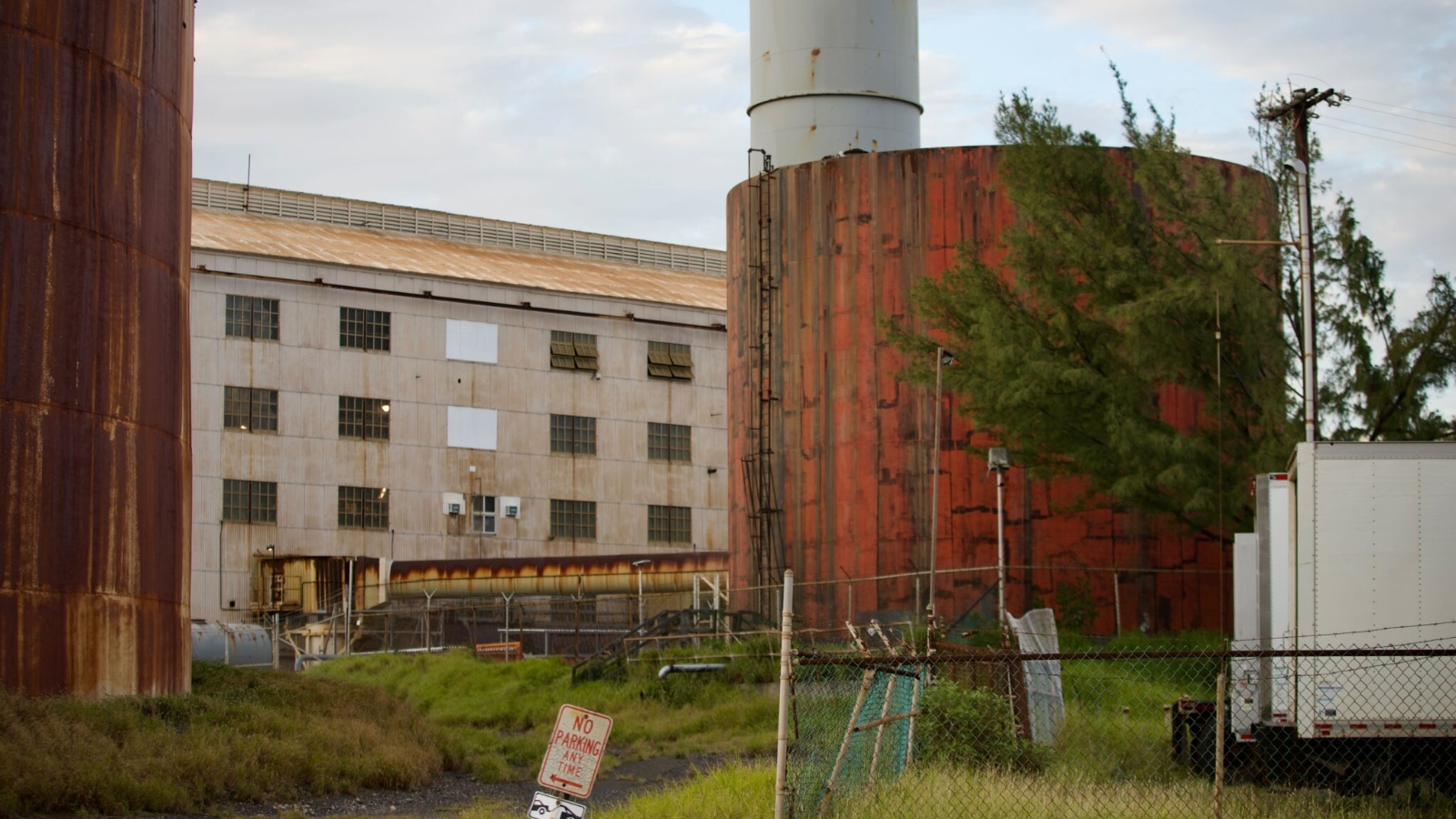
The core of the dispute centers on the Kanoelehua-Hill and Kahului power plants, facilities often described as "dinosaurs" of the energy industry. The Kahului unit, located on Maui, was commissioned in 1948, making it a relic of the post-World War II industrial boom. Under the original 2024 SIP, Hawaiʻi intended to retire at least two of these oil-fired units by 2028 to comply with the federal Clean Air Act. The primary objective was to reduce the presence of fine particulates, nitrogen oxides, and sulfur dioxide that contribute to haze in Hawaiʻi Volcanoes National Park on the Big Island and Haleakalā National Park on Maui.
The Legal and Constitutional Pivot
The EPA’s justification for walking back the retirement plan marks a notable shift in federal regulatory logic. In its official announcement, the agency characterized the proposed closures as “unconsented,” suggesting that the state was overstepping its authority by forcing the termination of private industrial operations. Furthermore, the EPA invoked the Takings Clause of the U.S. Constitution, which prohibits the government from taking private property for public use without just compensation. The agency argued that mandating the closure of these units could constitute a "total regulatory taking," potentially exposing the government to significant legal and financial liabilities.
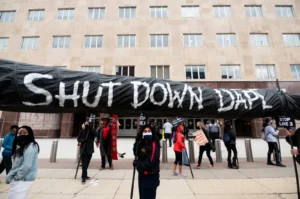
This constitutional argument has raised alarms among environmental legal experts. Isaac Moriwake, managing attorney of Earthjustice’s mid-Pacific office, described the move as a "bomb" dropped on Hawaiʻi’s environmental policy. Advocates argue that the Clean Air Act already provides the necessary framework for states to regulate emissions and that the "regulatory taking" argument creates a massive loophole. They contend that if this logic holds, it could allow industrial facilities across the nation to evade compliance with the Regional Haze Program by claiming that any mandated emission reduction or facility closure is an unconstitutional infringement on property rights.
Chronology of the Disagreement
The path to this federal-state impasse began years ago as Hawaiʻi sought to modernize its energy grid and meet its ambitious goal of 100% renewable energy by 2045.
- Initial Commitment: Years prior to the 2024 SIP, Hawaiian Electric Co. (HECO) had engaged with the state Department of Health. At the time, HECO indicated that retiring the Hill, Kahului, and Māʻalaea units was a more cost-effective strategy than investing in the expensive technological upgrades required to bring the aging plants into compliance with modern air quality standards.
- August 2023: The landscape shifted when Karin Kimura, HECO’s director of the environmental division, sent a letter to the EPA’s regional administrator. In the letter, HECO claimed it was being "forced" to accept enforceable retirement deadlines that were no longer viable due to delays in renewable energy projects.
- February 2024: The EPA formally proposed a partial disapproval of the haze rule, echoing HECO’s concerns regarding grid stability and property rights.
- April 2024: Kenneth Fink, Hawaiʻi’s Director of Health, issued a sharp rebuttal to the EPA. He noted that the EPA’s stance was inconsistent with Section 169A of the Clean Air Act and ignored previous guidance provided by the agency itself.
- May 15, 2024: The EPA finalized its decision, partially denying the SIP and ensuring the "dinosaur" plants would not be legally required to close by the 2028 deadline.
Grid Reliability and the Renewable Energy Gap
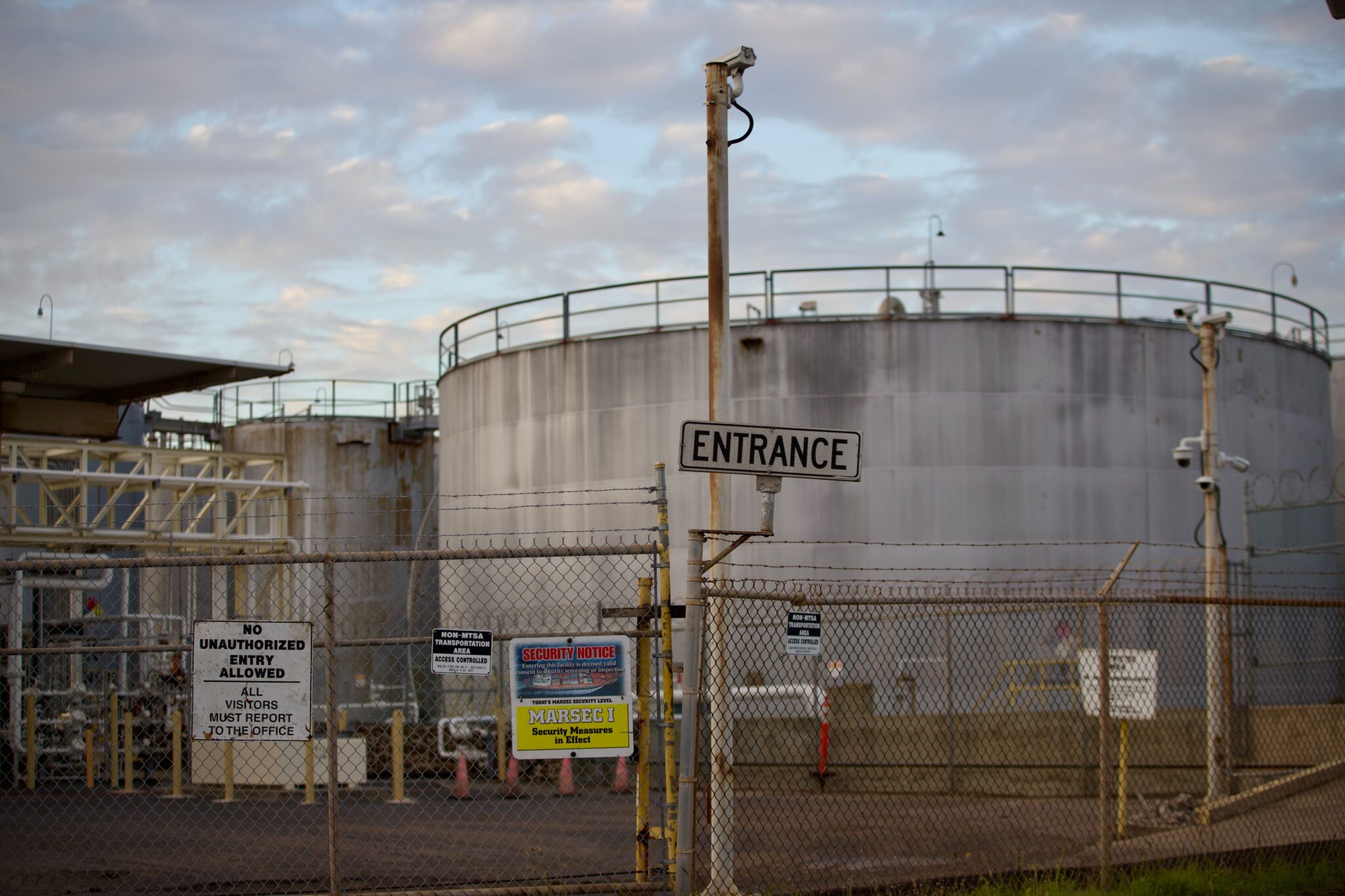
At the heart of HECO’s shift in position is the precarious nature of island power grids. Unlike the contiguous United States, where regional interconnections allow states to share power during shortages, Hawaiʻi’s islands operate on isolated microgrids. Mike DeCaprio, HECO’s vice president of power supply, emphasized that "reliability on an island grid is a really tough issue."
The company argues that while it still intends to retire the plants eventually, the 2028 deadline is no longer realistic. Several factors have contributed to this delay:
- Permitting Challenges: New solar, battery storage, and biofuel projects have faced significant regulatory hurdles.
- Supply Chain Disruptions: Global shifts in the availability of components for renewable infrastructure have slowed construction.
- Federal Policy Changes: Tariffs and the reduction of certain tax credits under the current administration have increased the costs and complexity of transitioning to green energy.
HECO maintains that keeping the older units as a contingency is essential to prevent rolling blackouts. However, critics point out that HECO has already petitioned the Public Utilities Commission (PUC) for a $45 million annual rate increase to compensate for the costs associated with these very plant closures, suggesting a financial contradiction in their stance.
Protecting Class I Areas and Public Health
The decision has significant implications for air quality in Hawaiʻi’s two national parks, which are designated as Class I areas under the Clean Air Act. This designation grants them the highest level of legal protection against air pollution. The regional haze rule was specifically designed to restore natural visibility in these areas, which is often marred by anthropogenic (man-made) pollutants.
The scientific debate involves distinguishing between "vog" (volcanic smog) and industrial haze. Kīlauea’s volcanic activity naturally releases massive amounts of sulfur dioxide. The EPA’s recent decision asserted that no current methodology can perfectly isolate man-made pollution from volcanic impacts, therefore making it difficult to justify strict mandates on power plants.
Environmental groups, including the National Parks Conservation Association and the Sierra Club, have labeled this reasoning "arbitrary and capricious." They argue that established mathematical models have long been used to account for episodic volcanic events and that the EPA is ignoring scientific precedent to favor industrial interests. The health impacts are not merely aesthetic; nitrogen oxides and sulfur dioxide are known to aggravate respiratory and cardiovascular conditions, posing a direct threat to residents and the millions of tourists who visit Maui and the Big Island.

Broader Implications and National Context
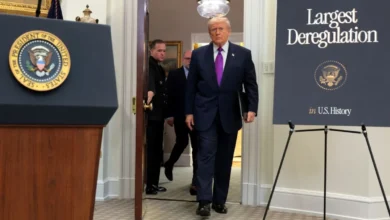
The EPA’s move in Hawaiʻi is not an isolated event. It reflects a broader national shift under the leadership of EPA Administrator Lee Zeldin, who has moved to execute executive orders aimed at promoting "energy dominance." A similar plan involving the closure of a coal plant in Colorado was recently rejected by the agency on similar grounds.
This trend suggests a systemic effort to dismantle the "regulatory scheme" of the Clean Air Act. By prioritizing "energy dominance" and property rights over environmental mandates, the current administration is signaling a departure from decades of bipartisan support for air quality improvements. For Hawaiʻi, a state that prides itself on being a leader in the green energy transition, the federal intervention represents a significant hurdle.
Future Outlook
Despite the federal setback, some local leaders remain optimistic. In Kauaʻi, for instance, local lawmakers recently approved solar-and-storage projects that could push the island to 90% renewable energy by 2030. Jeff Mikulina, executive director of Climate Hawaiʻi, noted that while federal headwinds and tariffs create "near-term noise," the long-term trend favors renewable technology as it becomes increasingly cost-competitive.
The EPA has stated it is committed to working with the state to revise the SIP, but the terms of that cooperation remain unclear. If the "regulatory taking" argument becomes a standard defense for aging utilities, the path to retiring fossil fuel infrastructure across the United States could become significantly more expensive and legally fraught. For now, the "dinosaurs" of Hawaiʻi’s energy grid will continue to operate, and the clear skies over the state’s iconic national parks remain at the mercy of a complex legal and political tug-of-war.