Opinion Peter Yarrow Music Peter Paul And Mary

Peter Yarrow’s Enduring Legacy: A Deep Dive into Peter, Paul and Mary’s Musical Impact and Peter Yarrow’s Solo Contributions
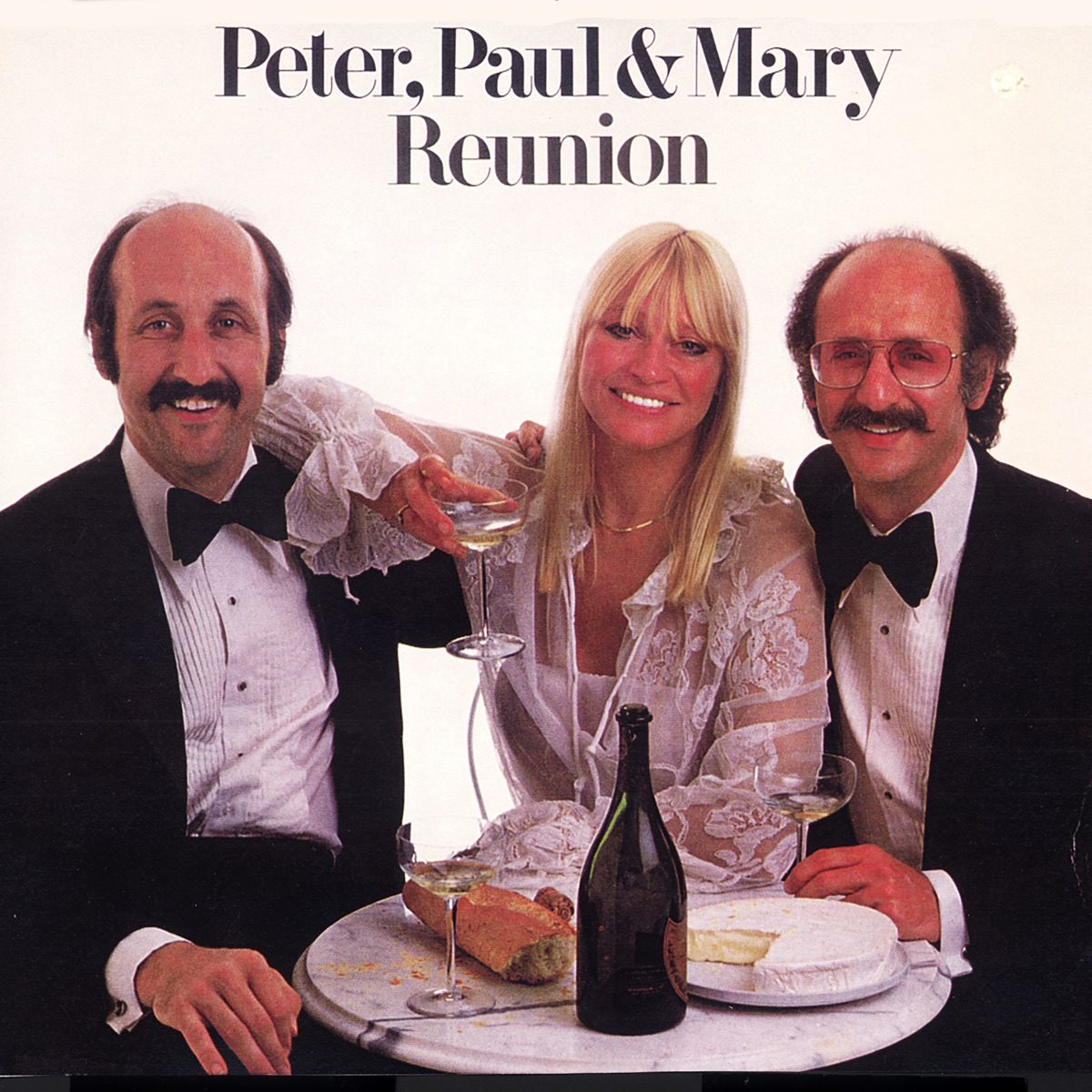
Peter Yarrow, as an integral member of the iconic folk trio Peter, Paul and Mary, played a pivotal role in shaping the soundtrack of the American folk revival and beyond. His distinctive tenor voice, often delivering poignant and socially conscious lyrics, became synonymous with a generation’s quest for peace, justice, and love. While the collective output of Peter, Paul and Mary remains their most celebrated work, Peter Yarrow’s individual artistic journey, both within the trio and in his subsequent solo endeavors, offers a rich tapestry of musical exploration and continued advocacy. This article will delve into the profound impact of Peter, Paul and Mary’s music, dissecting their lyrical themes, musical innovations, and lasting cultural significance, while also examining Peter Yarrow’s solo career and his ongoing commitment to using music as a force for positive change.
The genesis of Peter, Paul and Mary in the early 1960s coincided with a period of immense social and political upheaval in the United States. The burgeoning civil rights movement, the growing anti-war sentiment, and a general yearning for authenticity in popular culture created fertile ground for the introspective and message-driven music of folk artists. Peter Yarrow, alongside Noel Paul Stookey and Mary Travers, possessed an uncanny ability to articulate the hopes and anxieties of their time. Their early success was propelled by their ability to blend captivating melodies with lyrics that resonated deeply with a wide audience. Songs like "If I Had a Hammer" (written by Pete Seeger and Lee Hays), "Blowin’ in the Wind" (written by Bob Dylan), and "Where Have All the Flowers Gone?" (written by Pete Seeger) became anthems for a generation, transcending their folk origins to become widely recognized protest songs. Yarrow’s vocal contributions on these tracks were crucial, lending a gentle yet firm conviction to their powerful messages. His clear, resonant voice, often harmonizing with Travers’ soprano and Stookey’s baritone, created a sonic landscape that was both beautiful and deeply affecting.
The songwriting prowess within Peter, Paul and Mary was a key element of their enduring appeal. While they covered many songs by other influential artists like Bob Dylan, their own compositions, often credited to "Paul" (Noel Paul Stookey) and sometimes collectively, demonstrated a keen understanding of storytelling and social commentary. Yarrow, while not the primary songwriter in the traditional sense, was instrumental in the selection and interpretation of songs that would become part of their repertoire. His discerning ear and commitment to lyrical substance ensured that the trio’s albums were not merely collections of catchy tunes, but carefully curated artistic statements. The thematic consistency of their work – addressing issues of peace, equality, environmentalism, and love – established them as moral compasses for many. This thematic focus, coupled with their accessible musical style, allowed them to reach audiences beyond the typical folk music aficionados, garnering mainstream success and Grammy Awards. Their performances were characterized by a genuine warmth and a sense of shared purpose, making them beloved figures in the national consciousness.
Musically, Peter, Paul and Mary were innovative in their fusion of traditional folk structures with more contemporary arrangements. While their roots were firmly planted in the acoustic tradition, they weren’t afraid to incorporate elements of pop and rock, albeit subtly, to broaden their appeal. Yarrow’s guitar playing, often intricate and melodic, provided a strong rhythmic and harmonic foundation for their songs. His fingerpicking style was sophisticated, adding a layer of musical depth that distinguished them from simpler folk ensembles. The trio’s vocal harmonies were a masterclass in ensemble singing, achieving a remarkable blend and emotional resonance that few groups have ever matched. This synergy between their voices and instrumental arrangements was a testament to their years of collaboration and their deep understanding of each other’s musical sensibilities. The impact of their vocal arrangements, in particular, can be heard echoed in countless vocal groups that followed.
Beyond their hit singles, Peter, Paul and Mary also produced a string of critically acclaimed albums that showcased their artistic growth and thematic exploration. Albums like "Moving" (1963), "In the Wind" (1963), and "A Song Will Rise" (1968) explored a wider range of musical styles and lyrical concerns, solidifying their position as one of the most important musical acts of their era. Their commitment to social justice was not merely performative; they actively participated in civil rights marches, anti-war demonstrations, and other activist endeavors, lending their voices and influence to important causes. Peter Yarrow, in particular, has maintained a lifelong dedication to activism, using his platform to advocate for a variety of social and political issues. This unwavering commitment to making a difference, both through their music and their actions, has cemented their legacy as more than just musicians, but as cultural figures who inspired positive change.
The dissolution of Peter, Paul and Mary as a touring and recording entity did not signal the end of Peter Yarrow’s musical journey or his advocacy. His solo career, while perhaps less commercially dominant than the trio’s peak, has allowed him to explore different musical avenues and to continue his work on a more personal level. His solo albums have often delved deeper into personal reflections and have continued to champion social causes. Yarrow’s solo performances often feature a more intimate setting, allowing for a direct connection with his audience and a focus on the lyrical content of his songs. He has released several solo albums, including "That’s Enough for Me" (1975) and "Love Still Remains" (2010), which have been met with critical appreciation for their sincerity and musical craftsmanship. These solo efforts demonstrate his continued evolution as an artist, unafraid to experiment and to express himself authentically.
Furthermore, Peter Yarrow has been a tireless advocate for peace education and the use of music as a tool for conflict resolution. He has been instrumental in developing and supporting various organizations that utilize music to foster understanding and promote non-violence among young people. His work with organizations like Operation Respect, which aims to prevent bullying and promote respect among children, highlights his enduring belief in the power of music to shape positive societal values. This dedication to grassroots activism, often carried out away from the glare of the mainstream music industry, underscores the depth of his commitment to using his talents for the betterment of society. His public speaking engagements and workshops further amplify his message, reaching new generations with his wisdom and passion.
The influence of Peter, Paul and Mary’s music, and by extension Peter Yarrow’s contribution to it, is undeniable and continues to be felt today. Their songs remain staples on folk radio, are frequently covered by contemporary artists, and continue to inspire new generations of musicians and activists. The trio’s ability to blend accessible melodies with profound lyrical content set a benchmark for socially conscious popular music. Peter Yarrow, through his solo work and his ongoing advocacy, has ensured that the spirit of their music – one of hope, justice, and love – continues to resonate. His continued engagement with important social issues, using music as his primary vehicle, serves as a powerful reminder of the lasting impact that art can have when coupled with a genuine commitment to making the world a better place. The legacy of Peter Yarrow is not solely defined by the iconic harmonies of Peter, Paul and Mary, but by his sustained dedication to artistic integrity and his unwavering belief in the transformative power of music. His individual artistic choices and philanthropic endeavors continue to solidify his position as a significant and respected figure in the landscape of American music and activism. The depth of his influence extends beyond chart success, impacting the hearts and minds of those who seek meaning and purpose through song.