Wildfire Smoke Hidden Health Cost

Wildfire Smoke: The Insidious Hidden Health Cost of a Growing Crisis
The visible specter of wildfire smoke, a choking blanket of ash and particulate matter descending upon communities, is readily acknowledged as a health hazard. However, the true cost of this escalating crisis extends far beyond immediate respiratory distress, encompassing a complex web of long-term, often overlooked, health implications and a significant economic burden. This article delves into the hidden health costs associated with wildfire smoke exposure, exploring its insidious impact on cardiovascular health, cognitive function, mental well-being, and its disproportionate effects on vulnerable populations. Understanding these deeper ramifications is crucial for developing effective mitigation strategies and building resilient communities in the face of increasingly frequent and intense wildfire events.
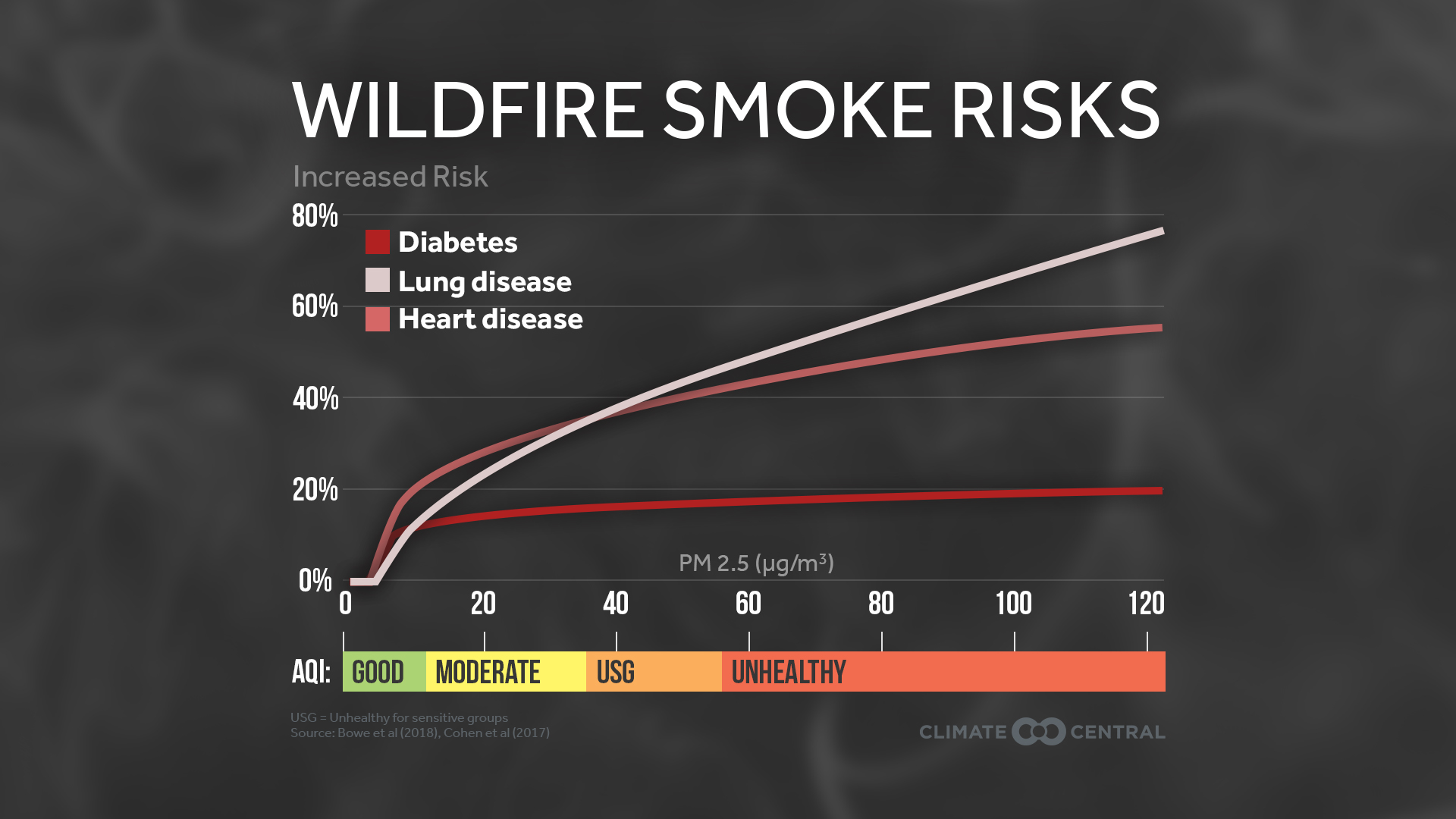
The primary health concern associated with wildfire smoke stems from its intricate composition, a cocktail of fine particulate matter (PM2.5), volatile organic compounds (VOCs), carbon monoxide, nitrogen oxides, and a host of other harmful chemicals. PM2.5, particles less than 2.5 micrometers in diameter, are of particular concern due to their ability to penetrate deep into the lungs and even enter the bloodstream. These microscopic invaders trigger inflammatory responses throughout the body, initiating a cascade of physiological events that can have lasting consequences. While immediate effects like coughing, wheezing, and eye irritation are widely recognized, the insidious nature of wildfire smoke lies in its capacity to exacerbate pre-existing conditions and contribute to the development of new ones over time.
Cardiovascular health is a profoundly affected area, often bearing a significant hidden cost. Exposure to PM2.5 from wildfire smoke has been strongly linked to increased risks of heart attacks, strokes, arrhythmias, and other cardiovascular events. The inflammation induced by these particles can damage blood vessel linings, promote the formation of blood clots, and increase blood pressure. Studies have demonstrated that even short-term exposure to elevated levels of PM2.5 can lead to measurable changes in heart rate variability and endothelial function, indicators of cardiovascular stress. The long-term consequences of repeated or chronic exposure are even more alarming, potentially contributing to the accelerated progression of atherosclerosis, the hardening and narrowing of arteries. This silent development, often without overt symptoms until a critical event occurs, represents a substantial hidden health cost, leading to increased hospitalizations, increased healthcare expenditure, and reduced quality of life for affected individuals.
Beyond the immediate impact on the heart and lungs, emerging research highlights a disturbing connection between wildfire smoke exposure and cognitive decline. The inflammatory pathways triggered by inhaled pollutants can cross the blood-brain barrier, leading to neuroinflammation and oxidative stress in the brain. This can manifest as impaired cognitive function, including difficulties with memory, attention, and executive function. For older adults, wildfire smoke exposure may accelerate the aging process of the brain and increase the risk of developing neurodegenerative diseases like Alzheimer’s and Parkinson’s. In children, studies suggest that exposure during critical developmental periods can lead to long-term cognitive deficits and behavioral issues. This impact on brain health represents a significant hidden cost, affecting educational attainment, workforce productivity, and the overall societal capacity to function. The long-term neurological consequences are often subtle and progressive, making attribution to wildfire smoke challenging and contributing to its hidden nature.
The psychological toll of wildfire smoke is another often-underestimated component of its hidden health cost. The pervasive presence of smoke, coupled with the anxiety and uncertainty surrounding wildfire events, can significantly impact mental well-being. Exposure to air pollution, including wildfire smoke, has been associated with increased rates of depression, anxiety, and post-traumatic stress disorder (PTSD). The constant stress of living in smoky conditions, the disruption of daily life, and the fear of property loss or evacuation can create a chronic stress response, which has known detrimental effects on mental health. Furthermore, the physical discomfort and reduced outdoor recreational opportunities associated with smoke events can exacerbate feelings of isolation and low mood. The long-term mental health consequences can lead to increased demand on mental healthcare services, reduced social engagement, and a diminished sense of community well-being.
Wildfire smoke disproportionately impacts vulnerable populations, amplifying existing health disparities and creating new burdens. Individuals with pre-existing respiratory conditions like asthma and COPD are at significantly higher risk of experiencing severe exacerbations and requiring emergency medical care. Pregnant women exposed to wildfire smoke are at an increased risk of adverse birth outcomes, including preterm birth, low birth weight, and developmental issues in their children. Infants and young children, with their developing respiratory and immune systems, are more susceptible to the harmful effects of air pollution. Elderly individuals, often with underlying chronic diseases, are also at heightened risk of severe health consequences. Low-income communities, frequently located in areas with greater exposure to environmental hazards and with less access to adequate healthcare and protective measures, bear a disproportionate burden of wildfire smoke’s health impacts. Addressing these disparities is not only a matter of public health equity but also a critical component of understanding the full hidden health cost.
The economic implications of these hidden health costs are substantial and far-reaching. Increased hospitalizations and emergency room visits due to smoke-related illnesses place a significant strain on healthcare systems. The long-term management of chronic cardiovascular and respiratory diseases exacerbated by smoke exposure incurs ongoing treatment costs. Lost productivity due to illness, missed workdays, and reduced cognitive function further impacts the economy. The need for increased public health surveillance, air quality monitoring, and the development of community resilience strategies all represent significant financial investments. Furthermore, the impact on mental health necessitates increased access to and funding for mental healthcare services. The economic cost is not just about direct medical expenses but also encompasses the broader societal impact of a less healthy and less productive population. Quantifying these indirect costs is a complex but essential task in fully appreciating the economic burden of wildfire smoke.
The insidious nature of wildfire smoke’s hidden health costs underscores the urgent need for comprehensive strategies to mitigate its impact. These strategies must extend beyond immediate air quality advisories and focus on long-term solutions. This includes investing in robust wildfire prevention and management efforts to reduce the frequency and intensity of fires. It also necessitates improved land management practices, such as controlled burns and fuel reduction, to create more resilient landscapes. Furthermore, the development and implementation of effective public health interventions are crucial. This includes public education campaigns to raise awareness about the long-term health risks of wildfire smoke and promote protective measures like using high-efficiency particulate air (HEPA) filters in homes and wearing N95 respirators when outdoor air quality is poor. Investing in research to better understand the complex health impacts of wildfire smoke, particularly its long-term neurological and cardiovascular consequences, is also paramount.
Addressing the hidden health costs of wildfire smoke requires a multi-pronged approach involving government agencies, healthcare providers, researchers, community organizations, and individuals. Policy changes are needed to support climate change mitigation efforts, as climate change is a significant driver of increased wildfire activity. Investment in early warning systems and evacuation plans can help reduce immediate exposure and its associated acute health impacts, but the focus must also shift towards proactive health protection. Healthcare providers need to be equipped to recognize and treat smoke-related illnesses, including their chronic manifestations, and incorporate air quality considerations into patient care.
The continuous monitoring of air quality and the development of accessible, real-time data are essential for enabling informed decision-making by individuals and public health officials. This data should not only focus on immediate PM2.5 levels but also strive to incorporate more sophisticated metrics that capture the complex mixture of pollutants present in wildfire smoke. Furthermore, community-based initiatives that provide resources and support to vulnerable populations, such as access to clean air shelters and medical assistance, are vital for reducing health disparities. The economic argument for investing in these preventative and mitigation strategies is clear: the long-term costs of inaction, in terms of both human health and economic productivity, far outweigh the investment required for proactive measures.
In conclusion, the pervasive threat of wildfire smoke extends far beyond the visible pall and immediate respiratory discomfort. Its hidden health costs, manifesting in chronic cardiovascular disease, cognitive decline, mental health deterioration, and disproportionate impacts on vulnerable populations, represent a profound and escalating public health crisis. Recognizing and quantifying these insidious consequences is the first critical step towards developing effective, long-term strategies for mitigation, adaptation, and the protection of human health in an era defined by increasingly frequent and intense wildfires. The true cost of wildfire smoke is not merely measured in acres burned or homes destroyed, but in the silent and enduring toll it takes on our collective well-being.