Category Comics Graphic Novels

Graphic Novels: A Comprehensive Exploration of the Category
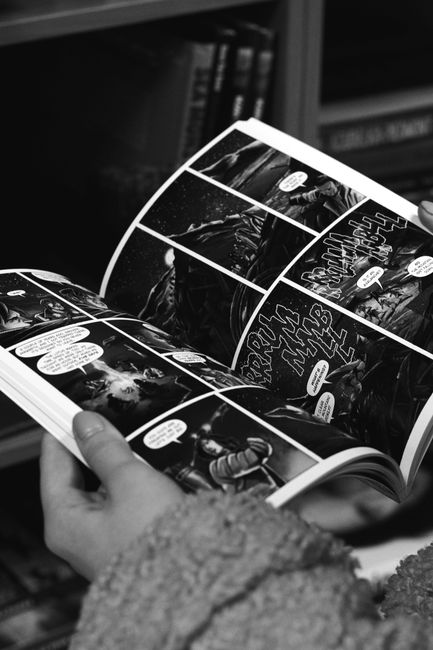
Graphic novels represent a dynamic and multifaceted category within the broader landscape of literature and visual storytelling. Far from being a mere subset of comic books, graphic novels are distinct literary works that utilize the sequential art medium to tell complex, often mature, and thematically rich narratives. Their increasing prominence in mainstream publishing, academic study, and popular culture signifies a maturation of the form and a recognition of its unique artistic and storytelling capabilities. This article delves into the core characteristics, historical evolution, diverse genres, significant creators, and the enduring impact of graphic novels, providing an SEO-friendly overview for enthusiasts and newcomers alike.
The fundamental defining characteristic of a graphic novel is its sustained, book-length narrative told through a combination of text and images arranged in a sequence. Unlike single-issue comic books, which often focus on episodic stories or serialized adventures, graphic novels typically present a complete, self-contained story arc. This often translates to a greater depth of character development, intricate plotting, and thematic exploration. The term "graphic novel" itself, coined by Richard Kyle in 1978 and popularized by Will Eisner’s seminal work A Contract with God (1978), signifies a departure from the perceived ephemerality and youthful demographic often associated with traditional comic books. Graphic novels embrace a wider range of subject matter, from deeply personal memoirs and historical accounts to fantastical epics and socio-political commentary. The visual medium allows for a unique interplay between words and images, where the art can convey emotions, subtext, and narrative nuances that might be difficult or impossible to achieve through text alone. This symbiosis between art and text is central to the power and appeal of the graphic novel.
The lineage of the graphic novel can be traced back to various precursors. Early forms of sequential art, such as the Bayeux Tapestry or illuminated manuscripts, demonstrate the ancient human impulse to tell stories visually. In the 20th century, precursors like illustrated novels, adventure strips, and even early comic books laid the groundwork. However, the modern graphic novel began to coalesce in the post-World War II era. Underground comix, emerging in the 1960s, challenged the censorship of the Comics Code Authority and explored more mature themes and artistic styles, paving the way for creators to push boundaries. The underground comix movement directly influenced the development of independent and alternative comics, which often explored personal narratives and experimental storytelling. The graphic novel as a distinct format gained significant traction in the late 1970s and 1980s. Will Eisner’s A Contract with God is widely considered a foundational text, showcasing the potential for a serious, literary work in the sequential art medium. Other influential works from this period, such as Art Spiegelman’s Maus (published serially from 1980-1991 and collected in book form in 1986), an unflinching account of the Holocaust that won a Pulitzer Prize, solidified the graphic novel’s legitimacy as a serious literary form. The success of Maus was a watershed moment, demonstrating that graphic novels could tackle profound historical and personal trauma with artistry and intellectual rigor, reaching audiences and critical acclaim previously reserved for traditional prose.
The diversity of genres within the graphic novel category is vast, mirroring the breadth of human experience and imagination. Autobiographical and memoiric graphic novels offer intimate glimpses into personal histories, allowing creators to process and share their life experiences with unique emotional resonance. Examples include Marjane Satrapi’s Persepolis, a coming-of-age story set against the backdrop of the Iranian Revolution, and Alison Bechdel’s Fun Home, a complex exploration of family, sexuality, and identity. Historical graphic novels bring the past to life with vivid detail and often offer new perspectives on significant events. Joe Sacco’s journalistic graphic novels, such as Palestine and Footprints in Gaza, exemplify this genre, combining immersive reportage with powerful visual storytelling to explore complex geopolitical conflicts. Fantasy and science fiction graphic novels transport readers to imaginative worlds, offering epic adventures and thought-provoking explorations of speculative concepts. The expansive world-building and intricate character arcs found in series like Brian K. Vaughan and Fiona Staples’ Saga have garnered critical acclaim and a devoted fanbase. Superhero graphic novels, while originating from the comic book tradition, have evolved into sophisticated narratives that delve into the psychological complexities of their iconic characters. Alan Moore and Dave Gibbons’ Watchmen is a prime example, deconstructing the superhero mythos and exploring themes of morality, power, and societal decay. Realistic fiction and drama graphic novels tackle contemporary issues and human relationships with nuance and sensitivity. Craig Thompson’s Blankets, a tender exploration of first love and faith, and Daniel Clowes’ Ghost World, a poignant coming-of-age story about adolescent alienation, are seminal works in this vein. Young Adult (YA) graphic novels have also seen a surge in popularity, addressing themes relevant to teenage readers with accessible storytelling and vibrant artwork. Raina Telgemeier’s Smile and Guts, which explore anxieties and friendships, have achieved widespread success and introduced countless young readers to the medium. The category also encompasses horror, mystery, humor, and even educational graphic novels, demonstrating the medium’s adaptability and expansive potential.
The creation of a graphic novel is a collaborative and intricate process. It typically involves a writer who develops the script, detailing the dialogue, panel descriptions, and narrative flow. A penciller translates these descriptions into detailed drawings, laying out the visual storytelling, character expressions, and scene composition. An inker refines the pencils, adding line weight, texture, and depth. A colorist then imbues the artwork with mood, atmosphere, and visual richness, while a letterer integrates the dialogue and sound effects into the panels, ensuring clarity and readability. While some creators excel in multiple roles, the specialization allows for a high level of artistic and technical expertise. The synergy between these roles is crucial for the success of a graphic novel. The writer’s ability to craft a compelling narrative must be matched by the artist’s skill in translating that narrative visually. Color and lettering, often overlooked, play vital roles in setting the tone, guiding the reader’s eye, and enhancing the overall impact of the story. The evolution of digital tools has also significantly impacted the creation process, offering new avenues for artists and writers to collaborate and produce work.
The impact and significance of graphic novels extend far beyond entertainment. Academically, they are increasingly recognized as valid subjects of literary study, offering unique insights into narrative structure, visual literacy, and cultural representation. University courses dedicated to graphic novels are becoming more common, and scholarly journals feature extensive research on the medium. Furthermore, graphic novels have proven to be powerful educational tools. Their visual nature can make complex subjects more accessible and engaging for learners of all ages, particularly for those who struggle with traditional text-based learning. The use of graphic novels in classrooms, from elementary schools to universities, is on the rise, facilitating discussions on history, science, social issues, and literature itself. The medium’s ability to foster empathy and understanding is also noteworthy. By allowing readers to step into the shoes of diverse characters and experience their struggles and triumphs, graphic novels can cultivate compassion and broaden perspectives. The personal and often raw nature of autobiographical graphic novels, for instance, can foster deep connections between reader and creator, breaking down barriers and promoting a sense of shared humanity. The ongoing development and increasing diversity of graphic novels ensure their continued relevance and growing influence across literary, educational, and cultural spheres. The accessibility and versatility of the medium promise an exciting future for storytelling through sequential art.


