Lori Chavez-DeRemer Resigns as Labor Secretary Amid Misconduct Allegations, Becomes Third Cabinet Member to Depart in Trump’s Second Term

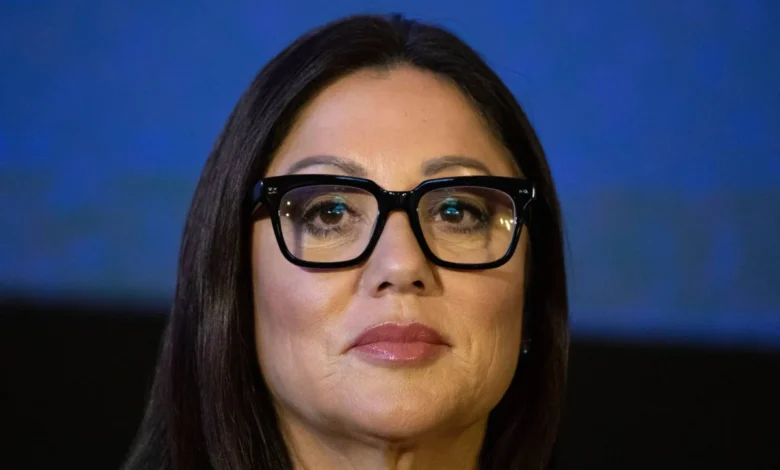
Labor Secretary Lori Chavez-DeRemer has resigned from her post, marking the third Cabinet-level departure during President Donald Trump’s second term and the second female Cabinet member to step down amidst a swirling vortex of misconduct allegations against both her and her senior staff. The announcement, confirmed by White House communications director Steven Cheung on Monday, signals a significant shake-up within the Department of Labor and raises further questions about the internal stability of the Trump administration. Chavez-DeRemer is slated to transition to a role in the private sector, a move that Cheung framed positively in his official statement.
"Labor Secretary Lori Chavez-DeRemer will be leaving the Administration to take a position in the private sector," Cheung stated. "She has done a phenomenal job in her role by protecting American workers, enacting fair labor practices, and helping Americans gain additional skills to improve their lives." This characterization, however, stands in stark contrast to the serious allegations that have reportedly plagued the department in recent months, prompting extensive investigations.
Stepping into the interim leadership role at the Department of Labor will be Keith Sonderling, a move intended to ensure continuity of operations during this transitionary period. Sonderling’s appointment, while temporary, underscores the immediate need for stable leadership within a department tasked with overseeing critical aspects of the American workforce.
In her own statement released on the social media platform X, formerly Twitter, Chavez-DeRemer expressed gratitude towards President Trump and reiterated her intention to pursue opportunities in the private sector. "At the Department of Labor, I am proud that we made significant progress in advancing President Trump’s mission to bridge the gap between business and labor and always put the American worker first," Chavez-DeRemer wrote. She further elaborated on her tenure, highlighting achievements such as "creat[ing] new pathways to mortgage-paying jobs, prepared workers to excel in the age of AI, took steps to lower prescription drug costs, promoted retirement security, and so much more."
A Pattern of Departures and Mounting Investigations
Chavez-DeRemer’s departure is not an isolated incident but rather the latest in a series of high-profile exits from President Trump’s Cabinet. Her resignation places her in the company of two other Cabinet members who have stepped down during the current term. While the specific reasons for the departures of the other two officials are not detailed in this context, the cumulative effect of these resignations can contribute to perceptions of instability or internal challenges within the administration. The fact that Chavez-DeRemer is also the second woman to leave a Cabinet position in this term adds another layer to the narrative of administrative turnover.
The immediate catalyst for Chavez-DeRemer’s resignation appears to be a protracted investigation into serious misconduct allegations. Since January, the Labor Secretary has been under scrutiny following a probe initiated by the Department of Labor’s Inspector General, Anthony D’Esposito. The investigation reportedly centers on claims of a personal relationship between Chavez-DeRemer and a subordinate, identified as a member of her security detail. Such allegations, if substantiated, could have profound implications for departmental integrity and leadership.
The Shadow of "Travel Fraud" and Personal Allegations
Adding to the complexity of the situation, two of Chavez-DeRemer’s senior aides resigned in March. Their departures were reportedly linked to an investigation into allegations of "travel fraud." Specifically, the inquiry is said to be examining whether these aides orchestrated work-related events for the Labor Secretary as a pretext for personal travel, potentially misusing government resources. These allegations, if proven, would suggest a pattern of impropriety extending beyond the Secretary herself to her immediate staff, further eroding trust in the department’s operations.
Furthermore, a report by The New York Times earlier this year brought to light even more disturbing accusations. The newspaper revealed that Chavez-DeRemer’s husband, Dr. Shawn DeRemer, had been banned from the Department of Labor’s headquarters. This ban was reportedly a consequence of two female staff members coming forward to officials with allegations of sexual assault against him. These claims were reportedly uncovered as part of the same internal investigation by the Inspector General that is examining misconduct allegations against Ms. Chavez-DeRemer and her senior staff, according to The Times. The presence of such grave accusations involving a family member of a Cabinet secretary introduces a deeply personal and ethically fraught dimension to the ongoing scrutiny.
Background and Context of the Labor Department
The Department of Labor is a critical federal agency responsible for enforcing more than 60 federal laws related to worker safety and health, wage and hour standards, unemployment insurance, reemployment services, and the collection and analysis of economic statistics. Its mission is to foster, promote, and develop the welfare of wage earners, job seekers, and retirees of the United States; improve working conditions; advance opportunities for profitable employment; and assure work-related benefits and rights.
Established in 1913, the department’s purview is vast, encompassing issues from minimum wage laws and overtime pay to workplace safety regulations and the administration of retirement plans. The Secretary of Labor is a principal advisor to the President on labor-related matters and plays a significant role in shaping national economic policy. Any allegations of misconduct at this level can therefore have a ripple effect, impacting public trust in government institutions and the enforcement of labor laws.
Timeline of Events (Inferred and Reported)
While a precise, publicly released timeline of the investigations is not available, the reported sequence of events provides a framework for understanding the unfolding crisis:
- Late 2023 / Early 2024: Reports emerge of alleged sexual assault by Dr. Shawn DeRemer, husband of Labor Secretary Lori Chavez-DeRemer, against two female staff members at the Department of Labor.
- January [Year]: The Department of Labor’s Inspector General launches an investigation into misconduct allegations against Secretary Chavez-DeRemer and her senior staff, reportedly encompassing the claims made against her husband and a potential personal relationship with a subordinate.
- March [Year]: Two senior aides to Secretary Chavez-DeRemer resign amidst an investigation into allegations of "travel fraud," suggesting the misuse of government resources for personal gain.
- Early [Year]: The New York Times reports on the sexual assault allegations against Dr. Shawn DeRemer and his subsequent ban from the Department of Labor headquarters, linking these claims to the broader Inspector General’s probe.
- [Current Date]: White House Communications Director Steven Cheung confirms the resignation of Secretary Lori Chavez-DeRemer, citing her move to the private sector.
Broader Implications and Analysis
Chavez-DeRemer’s resignation, particularly under the shadow of these serious allegations, raises several critical questions regarding governance and accountability within the Trump administration.
Impact on Workforce Policy: The Department of Labor plays a pivotal role in shaping policies that affect millions of American workers. A protracted period of leadership instability or distraction due to investigations can potentially slow down or derail crucial initiatives related to job training, wage protections, and workplace safety. The effectiveness of the department’s ongoing work, especially in areas like adapting to the rise of artificial intelligence and ensuring retirement security as highlighted by Chavez-DeRemer, could be impacted.
Erosion of Public Trust: Persistent allegations of misconduct against high-ranking officials, regardless of their eventual substantiation, can erode public trust in government institutions. This is particularly concerning for a department like Labor, which relies on the cooperation and confidence of both employers and employees to effectively implement its mandates.
Precedent for Future Administrations: The frequency of Cabinet-level departures and the nature of the allegations in President Trump’s second term may set a precedent for how administrations handle internal investigations and personnel changes. The emphasis on private sector transitions as a stated reason for departure, even when serious allegations are present, could become a common narrative.
The Role of the Inspector General: The Inspector General’s office serves as a critical watchdog within federal agencies, tasked with uncovering waste, fraud, and abuse. The active investigations by DOL’s Inspector General highlight the importance of these independent oversight bodies in maintaining departmental integrity. The outcomes of these investigations will be closely watched for their implications on accountability.
"Protecting American Workers" in the Face of Allegations: Chavez-DeRemer’s statement emphasized her commitment to protecting American workers. However, the allegations of personal misconduct and potential misuse of resources raise questions about the extent to which such alleged behaviors align with the principles of ethical leadership that are paramount in safeguarding the interests of the very workers the department is meant to serve.
The departure of Lori Chavez-DeRemer from the Department of Labor marks another significant moment in President Trump’s second term, underscoring the challenges of maintaining stable and credible leadership amidst a backdrop of serious allegations and ongoing investigations. The transition to acting leadership, coupled with the ongoing scrutiny, will likely continue to shape the narrative surrounding the Department of Labor and the administration’s approach to accountability in the coming months.