The High Cost of Eating: Why Inflation and Environmental Ethics are Colliding at the Grocery Store


The headlines reflect a reality that has become a staple of household conversations: food is becoming significantly more expensive. According to data from the U.S. Bureau of Labor Statistics, consumers are grappling with a persistent uptick in the costs associated with both dining out and preparing meals at home. This inflationary trend, which has characterized much of the current year, is arriving at a critical juncture as the holiday season approaches. Recent reports from the American Farm Bureau Federation indicate that the aggregate cost of a standard Thanksgiving dinner has risen for the first time since 2022, signaling that the reprieve shoppers hoped for remains elusive. Economists monitoring these trends warn that this upward pressure on food prices is likely to extend well into the coming year, influenced by a complex web of global geopolitical and environmental factors.
The Macroeconomic Drivers of Grocery Inflation
The current surge in food prices is not the result of a single isolated event but rather a convergence of systemic pressures. A primary driver is the volatility in fuel costs, which has been exacerbated by the ongoing conflict in Iran. The agriculture industry is uniquely sensitive to energy prices; diesel is a fundamental requirement for every stage of the food supply chain, from the operation of heavy farm machinery during harvest to the cold-chain logistics required for transport and storage. When fuel prices spike, those costs are inevitably passed down to the consumer at the supermarket checkout.
Simultaneously, the global climate landscape has introduced unprecedented volatility. The recurrence of El Niño, combined with broader, long-term shifts in global climate patterns, has disrupted traditional growing seasons and crop yields. These environmental stressors have led to erratic harvest cycles, forcing farmers to contend with extreme weather that compromises productivity and pushes prices higher. As these macro-factors persist, the traditional levers of market pricing are being pushed to their limits.
A Paradox in Consumer Spending
Despite the widespread financial strain, U.S. consumer behavior remains paradoxical. Although the cost of living has become a central issue in national discourse—contributing significantly to the shifting political landscape of the recent midterm elections—consumer spending has remained remarkably resilient. Data from the third quarter of this year shows a 3.8 percent increase in consumer spending, a vital metric given that it accounts for approximately two-thirds of the U.S. gross domestic product (GDP).
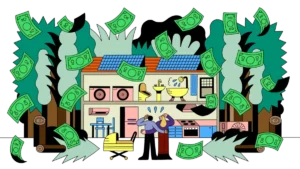
This spending trend highlights a difficult reality: while households are frustrated by rising prices, they have not yet significantly curtailed their overall consumption. However, this raises a pressing question regarding the efficacy of "voting with your dollar." For years, environmental advocates have promoted the idea that consumers can influence the food system—pushing for more sustainable, carbon-neutral, and deforestation-free practices—by prioritizing ethical brands. Yet, when faced with the necessity of managing a household budget, the luxury of choosing based on sustainability metrics is increasingly being sidelined in favor of basic affordability.
The Limits of Individual Purchasing Power
The notion that individual consumer choices can effectively reshape the food supply chain is being re-evaluated by experts. Sandra Goldmark, a professor at the Columbia Climate School who specializes in circular economies, notes that consumer motivation is currently caught in a tug-of-war between personal values and financial necessity. "People want a sustainable option. They want it to be healthy for their body and the planet," Goldmark explains. "But they have a price factor."
This friction is perhaps best exemplified by the market for specialty items. David Ortega, an agricultural economist at Michigan State University, suggests that "voting with your dollar" is a functional tool only when the price parity between sustainable and conventional goods is narrow. When the price delta increases—as it did during the recent spike in egg prices—the choice becomes a matter of socio-economic access. Higher-income households may continue to opt for cage-free or sustainably produced options, but the broader consumer base is frequently forced to prioritize conventional products simply to keep their food bills manageable.
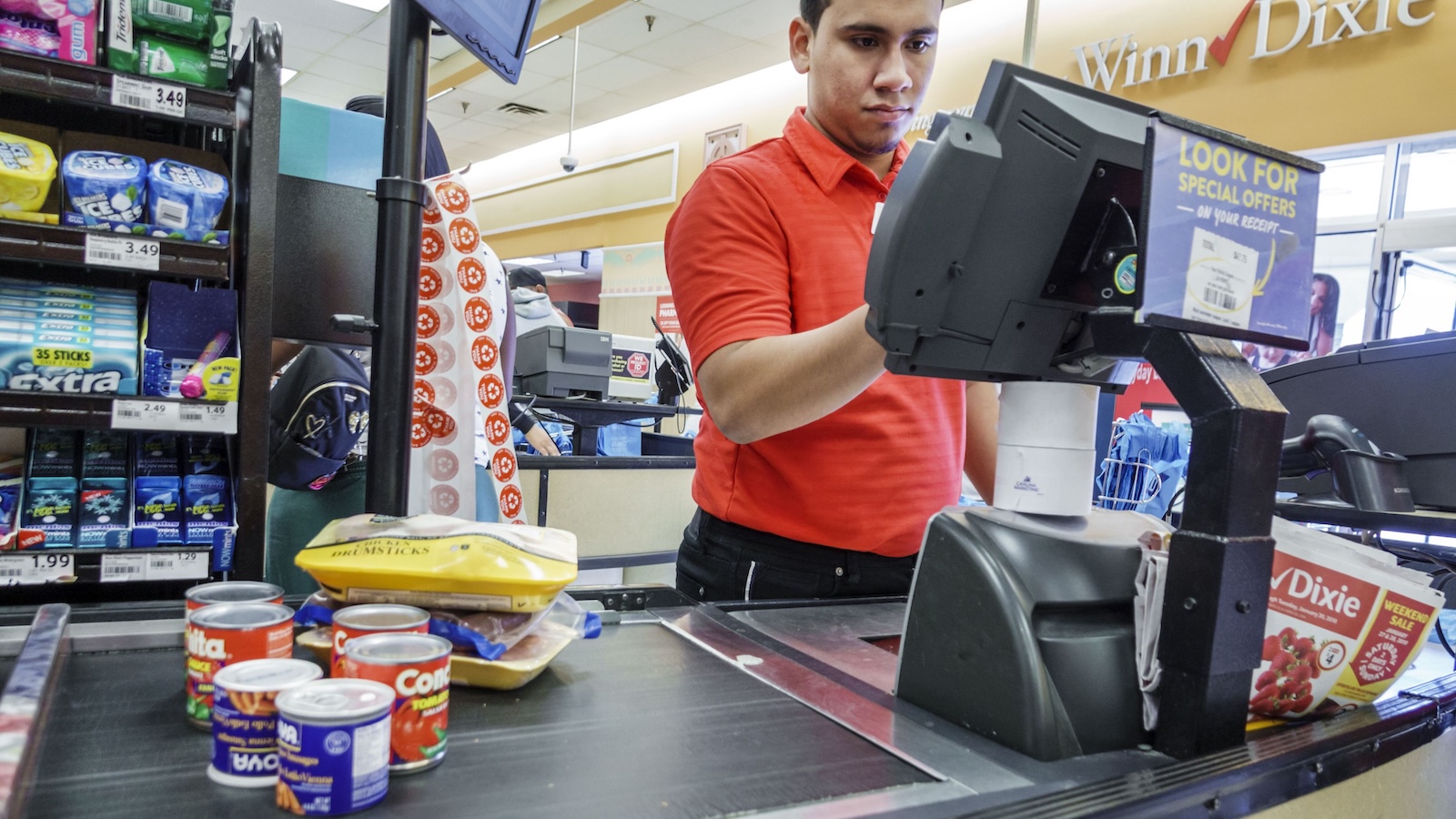
Ortega further cautions that attributing industry-wide changes, such as the shift toward cage-free eggs, solely to consumer demand is misleading. These systemic changes are often the result of legislative mandates and corporate ESG (Environmental, Social, and Governance) commitments rather than a grassroots shift in purchasing habits. When the bulk of consumer spending is already committed to fixed costs like housing, the leverage a shopper has over food production practices is significantly diminished.
Historical Precedent and the Future of Advocacy
Despite the current difficulties, history offers examples where sustained public pressure has successfully altered corporate behavior. The campaign led by the Coalition of Immokalee Workers against Taco Bell serves as a landmark case study. By organizing boycotts and maintaining sustained, targeted pressure regarding supply chain labor practices, the coalition forced a major industry player to adopt a stringent, worker-led code of conduct.
Similarly, the long-standing Amazon soy moratorium demonstrated that corporate policy can be shifted when faced with reputational risk. While that agreement faced challenges earlier this year, it stood for nearly two decades as a testament to the power of coordinated advocacy. These examples suggest that while individual purchasing power is limited during inflationary periods, collective action—often involving NGOs, policy advocates, and organized consumers—remains a potent catalyst for change.
The Path Toward Systemic Reform
As food systems continue to account for approximately 25 to 33 percent of global greenhouse gas emissions, the pressure to reform production methods remains urgent. The rise of movements such as "Make America Healthy Again" indicates that consumers are increasingly aware of the nexus between their health, the environment, and the food industry. However, relying on the consumer to drive this transition in a period of high inflation may be an unrealistic expectation.
Jody Kirchner, director of market insights at the Good Food Institute, argues that the current "loop" of unsustainable, high-cost food production cannot be broken by individual shoppers alone. "When the option that’s better for the environment and the planet costs more than the status quo, shoppers can’t break that loop on their own," Kirchner states. Instead, true, lasting transformation will likely require a combination of policy intervention, public investment in sustainable agricultural infrastructure, and a more robust regulatory framework that aligns environmental stewardship with economic stability.
Implications for the Coming Year
Looking ahead, the intersection of inflation and environmental sustainability will remain a critical focal point for policymakers and industry executives alike. If food prices continue to "creep up" as forecasted by financial analysts, the divide between consumers who can afford ethical choices and those who must prioritize cost-savings will likely widen. This creates a risk of sustainable products becoming exclusively premium goods, potentially stalling the broader transition to greener food systems.
For the American consumer, the immediate future involves navigating the difficult balance of maintaining a household budget while contending with the ripple effects of global instability and climate-driven supply chain disruptions. Whether the food industry will proactively lower the barrier to entry for sustainable goods through innovation and scale, or whether they will wait for government mandates to dictate the pace of change, remains the central question of the coming fiscal year. As the data shows, until the systemic costs of sustainable production are lowered, the power of the consumer’s wallet will remain constrained by the harsh reality of the supermarket bill.