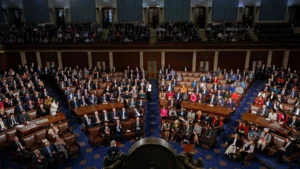
WASHINGTON — House Republicans are expressing a renewed
sense of urgency and cautious optimism regarding the possibility of passing a bipartisan immigration reform package before the balance of power in Washington shifts. As lawmakers navigate the waning months of the current legislative session, key GOP figures are urging swift action on Capitol Hill, arguing that waiting until the arrival of the 120th Congress—when Democrats are slated to assume control of both chambers—could yield an immigration package characterized by much more expansive and "extreme" provisions, potentially opening the door to sweeping amnesties.
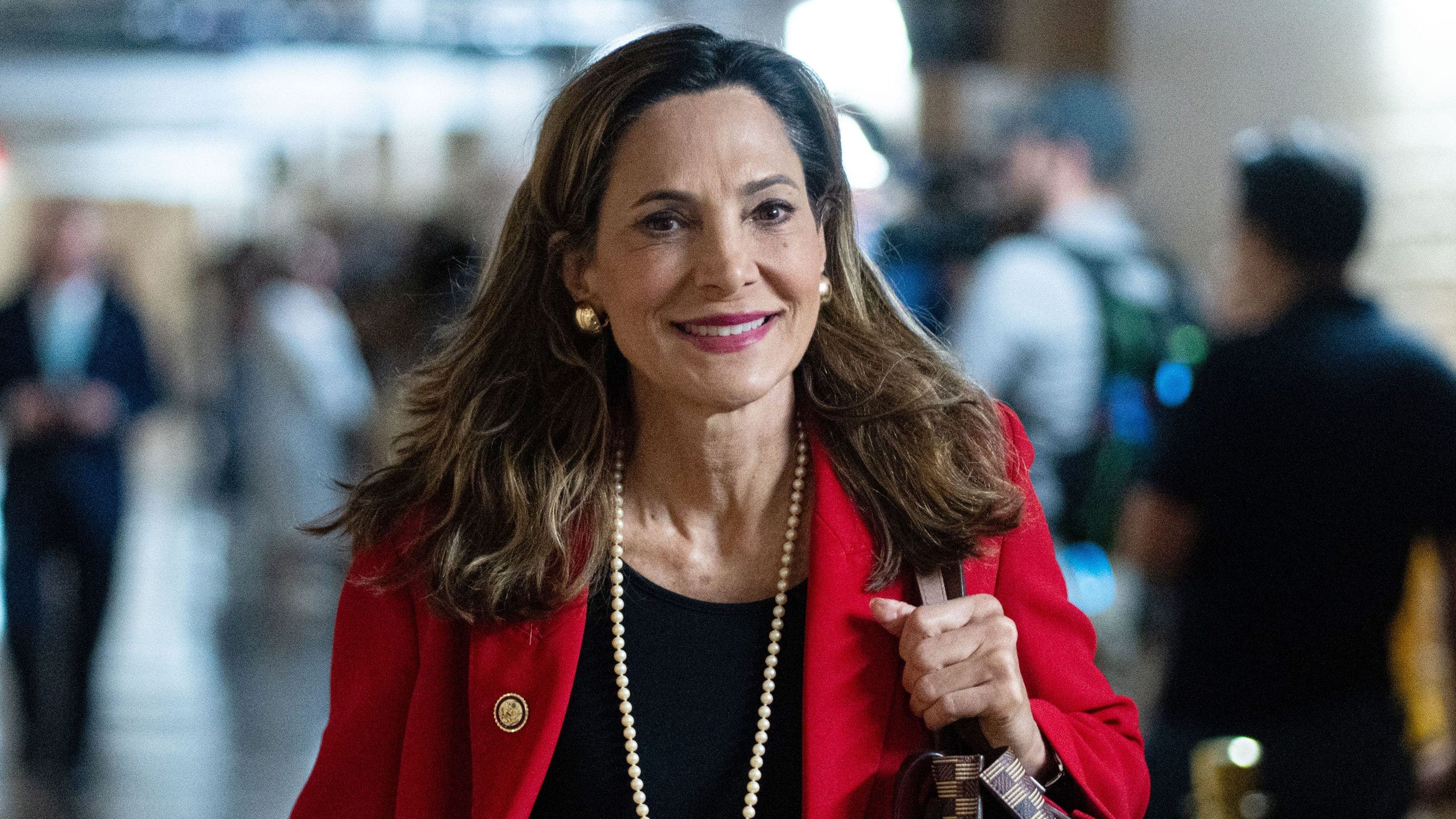
The debate has intensified in the wake of comments made by President Donald Trump during a high-profile media appearance on "60 Minutes." During the interview, the president signaled an unexpected openness to exploring pragmatic immigration solutions. This shift in tone has galvanized a contingent of centrist and pragmatic House Republicans who view the current political window as a rare opportunity to address chronic labor shortages, shore up economic demands, and tackle long-standing vulnerabilities in the nation’s immigration enforcement framework. At the center of these legislative aspirations is the Dignity Act, a comprehensive proposal originally introduced by Representative Maria Elvira Salazar, R-Fla.
The Push for the Dignity Act and the Labeled Stakes
The Dignity Act, which has steadily gathered momentum and attracted more than a dozen Republican co-sponsors, seeks to address the complex reality of millions of undocumented individuals currently living within the United States. Under the framework of the legislation, undocumented immigrants who meet stringent eligibility requirements—including passing rigorous background checks, paying required restitution, and maintaining a clean record—would be granted renewable legal status and legal work authorization. Crucially, the bill avoids establishing a direct pathway to citizenship, a design intended to appease conservative critics who steadfastly oppose traditional amnesty programs.
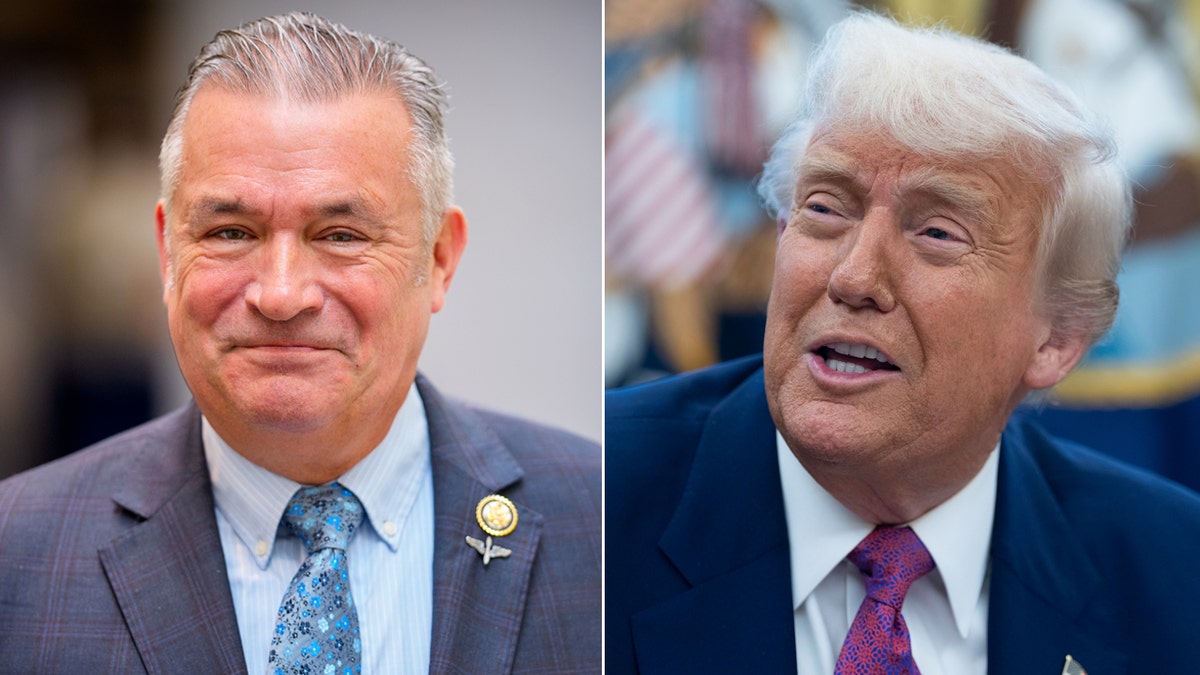
Proponents of the measure argue that it offers a balanced approach that addresses urgent economic realities. Representative Don Bacon, R-Neb., emphasized the dual necessity of addressing domestic labor constraints while shoring up the party’s positioning among Hispanic voters.
"Yes, it’s going to happen under this Congress," Bacon told reporters, highlighting the pragmatic benefits of the legislation. "I think it’s a win-win for the country. We get a much-needed workforce while providing some accountability for misbehavior."
Bacon and other supporters warn that failing to act before the legislative calendar resets risks yielding control of the debate to a Democratic-led Congress in January. According to this line of thinking, a delay would empower progressive lawmakers to push for far more permissive legislation.
"Unfortunately, I think the Dems will make it more like an amnesty bill," Bacon cautioned. "They’ll probably go to another extreme."
Echoing these sentiments, Representative Marlin Stutzman, R-Ind., stressed that the Dignity Act remains uniquely positioned to bridge the partisan divide while preempting more radical proposals.
"There is no better solution on the table that will get support from both parties while simultaneously standing in the way of the Democrats’ looming amnesty-ridden citizenship-for-all alternative," Stutzman said. "The best way to see the work the administration is doing continue into the next two years while Democrats are in control of both houses is to pass a Republican-led immigration plan before January."
A Changing Political Landscape and Historical Parallels
The renewed legislative push comes against the backdrop of shifting political dynamics within the Republican party regarding enforcement strategies. President Trump’s recent admissions that certain aspects of past immigration enforcement operations may have been perceived as overly rigorous have created political space for lawmakers to advance alternative legislative vehicles.
Representative Salazar has been among the most vocal advocates for capitalizing on this political window. She argued that the president’s willingness to engage in bipartisan dialogue on the subject presents a historic opportunity not just for the legislative branch, but for the administration’s broader legacy. In previous statements, Salazar went so far as to compare the magnitude of the moment to Abraham Lincoln’s historic role in ending slavery, suggesting that comprehensive reform could redefine the administration’s historical standing.
"I think that this is a very good window to concentrate on something that even the president said that he was willing to work with the Dems on, which is immigration," Salazar noted.
Cross-Aisle Openness and Bipartisan Realities
While the Republican conference has experienced internal friction over the specifics of granting legal protections to undocumented individuals—with some hardline conservatives expressing deep skepticism regarding any measure that shields millions from deportation—the prospect of cross-aisle cooperation has drawn cautious interest from select Democrats in the Senate.
Senator Ruben Gallego, D-Ariz., indicated a willingness to engage with Republican sponsors to move the conversation forward, emphasizing the humanitarian and practical aspects of keeping families intact.
"I’m here to try to bring as many protections as I can to these families," Gallego said. "Let’s get it going; we’re willing to work with anybody to try to keep these families together."
This tentative bipartisan interest suggests that if House Republican leadership decides to bring a compromise package to the floor, it could attract enough moderate votes from both sides of the aisle to clear the chamber, though the path forward in the Senate remains fraught with procedural and ideological hurdles. The White House has thus far declined to formally comment on the growing speculation surrounding a potential pre-January legislative deal.

Economic Drivers and Labor Market Pressures
Behind the legislative maneuvering lies persistent pressure from American agricultural, hospitality, and construction sectors, which have long reported severe labor shortages. Business coalitions argue that strict enforcement mechanisms alone are insufficient without a parallel mechanism to stabilize the existing workforce legally. Economists point out that millions of undocumented workers form the backbone of several critical industries, and abrupt demographic shifts or mass removals without legal adjustments could trigger significant inflationary pressures and supply chain disruptions.
At the same time, shifting demographic trends have altered the political calculations for Republicans, particularly in swing districts and southwestern states where Hispanic voters represent an increasingly vital component of the electorate. Proponents of reform argue that a sensible, security-focused legal status framework helps neutralize Democratic messaging on immigration while addressing the humanitarian concerns of mixed-status families.
Legislative Timeline and Future Outlook
As the congressional calendar ticks down toward the transition of power, the coming weeks will test the discipline and unity of the Republican caucus. Lawmakers face a narrow window of opportunity to draft, negotiate, and pass a bill that can satisfy both the executive branch and a divided Congress.
If successful, the legislation would represent one of the most significant overhauls of the nation’s domestic immigration policy in decades, reshaping the legal status of millions and establishing a new precedent for bipartisan compromise on an issue that has bedeviled Washington for generations. However, failure to secure a consensus before January could permanently close the door on a Republican-led solution, leaving the issue to a newly empowered Democratic majority whose legislative priorities diverge sharply from those currently championed by the GOP.