ICE Slams Federal Judge After Released Illegal Immigrant Accused of Violently Raping Minnesota Homeowner

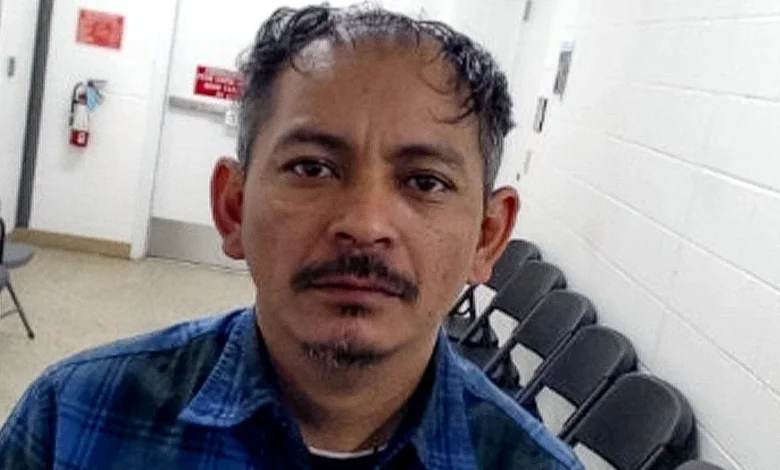
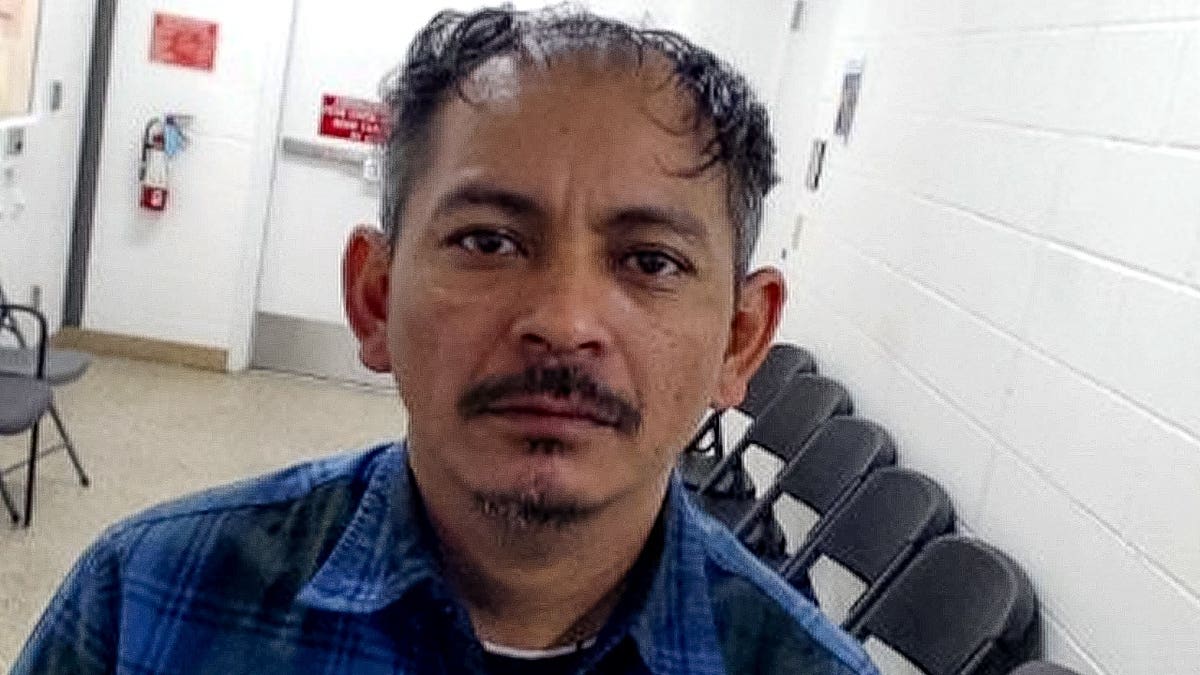
An undocumented immigrant from Honduras who was released from federal immigration custody following a court order has been arrested and charged with the brutal rape of a Minnesota woman inside her own home, according to U.S. Immigration and Customs Enforcement (ICE) officials.
The suspect, identified as 42-year-old Marcotulio Melendez Diaz, allegedly committed the assault on October 11 while working as a handyman in Mounds View, a suburb north of Minneapolis. According to investigators, Melendez Diaz overpowered the female resident and subjected her to repeated sexual assault against her will. The harrowing attack was captured on the victim’s indoor security camera system, providing crucial digital evidence for local law enforcement agencies and federal investigators.
The incident has ignited a fierce public debate over immigration enforcement, judicial discretion, and public safety. ICE officials have heavily criticized the federal judiciary, specifically pointing to U.S. District Judge Orlando L. Garcia, a Clinton appointee who ordered Melendez Diaz’s release from custody just months prior to the alleged crime. Law enforcement authorities argue that the violent encounter could have been entirely prevented had the suspect remained detained pending his removal from the United States.

A Comprehensive Chronology of Events
The legal and migratory history surrounding Melendez Diaz spans multiple states, federal agencies, and evolving immigration policies over a two-year period:
- April 2024: Melendez Diaz initially crossed the U.S. southern border, where he was apprehended by federal border authorities. According to ICE sources, he was processed and subsequently released into the interior of the United States under the border policies of the Biden administration.
- January 2026: Following months of living within the country, Melendez Diaz was re-arrested in Minnesota during "Operation Metro Surge," a targeted enforcement initiative conducted by ICE to apprehend non-citizens with criminal histories or prior immigration violations. Following his arrest in the Upper Midwest, he was transferred to a secure ICE detention facility in Texas.
- March 30, 2026: An immigration judge formally issued a deportation order against Melendez Diaz, clearing the path for his removal to Honduras. However, legal counsel for Melendez Diaz quickly filed an appeal to contest the ruling before the Board of Immigration Appeals (BIA).
- August 2026: While his immigration appeal remained pending, Melendez Diaz’s legal team filed a habeas corpus petition in the U.S. District Court for the Western District of Texas. Judge Orlando L. Garcia reviewed the petition and ruled in favor of the defense on due process grounds, determining that Melendez Diaz’s detention had become unreasonably prolonged or unlawful under current legal standards. Judge Garcia ordered his immediate release from federal custody, allowing him to travel back to Minnesota.
- October 9, 2026: The Board of Immigration Appeals officially rejected Melendez Diaz’s appeal, rendering his deportation order final and legally binding.
- October 11, 2026: Just two days after the BIA finalized his deportation order—and before immigration authorities could locate and re-detain him—Melendez Diaz allegedly carried out the sexual assault in Mounds View, Minnesota. He was subsequently taken into custody by local and federal law enforcement.
Official Responses and Political Repercussions
The revelation of Melendez Diaz’s release and subsequent arrest has prompted sharp statements from immigration enforcement leadership, who view the case as a tragic illustration of systemic vulnerabilities in the American judicial and immigration frameworks.
In a strongly worded statement released to the media, ICE did not mince words regarding the sequence of events that led to the suspect’s freedom. "This is what happens when activist judges side with criminal illegal aliens over Americans," the agency stated. "ICE arrested him, and an immigration judge ordered his deportation. But a Clinton-appointed federal judge ordered him released. And now an American woman has suffered a horrific crime that could have been prevented."
The agency’s frustration underscores a longstanding friction point between the executive branch’s immigration enforcement wing and federal judges who evaluate constitutional challenges regarding the length of pre-removal detentions. Under federal law, non-citizens awaiting deportation can challenge their prolonged detention through habeas corpus proceedings if their removal is not imminent or if administrative delays stretch custody to indefinite lengths. However, critics of such releases argue that public safety should override procedural technicalities, particularly when individuals have been ordered removed by an immigration court.
Legal Charges and Potential Penalties
Following his arrest in Minnesota, local prosecutors moved swiftly to file formal charges. Melendez Diaz has been charged with felony first-degree criminal sexual penetration involving coercion and physical force.
Legal experts note that the severity of the charges carries substantial prison time under Minnesota state law. If convicted on the primary first-degree criminal sexual conduct counts, Melendez Diaz faces a maximum sentence of up to 30 years in a state correctional facility. Because he is also subject to a final administrative order of removal, any prison sentence served in a state facility would presumably be followed by federal deportation proceedings upon his eventual release. He is currently being held on high bail as the judicial process moves forward.
Broader Implications for Immigration Policy and Public Safety
The case in Mounds View has intensified national conversations surrounding interior immigration enforcement, sanctuary policies, and the coordination between federal immigration authorities and local jurisdictions.
Law enforcement analysts point out that interior enforcement operations—such as Operation Metro Surge, which initially netted Melendez Diaz in Minnesota—are designed to identify and remove individuals who have entered the country unlawfully and have come to the attention of law enforcement. However, critics of the current system argue that legal bottlenecks, appeals backlogs, and judicial interventions frequently disrupt removal operations, leaving potentially dangerous individuals within local communities.

Conversely, civil rights advocates and legal scholars defend the role of federal habeas corpus review, emphasizing that the U.S. Constitution guarantees due process protections to all individuals within the territorial jurisdiction of the United States, regardless of their immigration status. Proponents of judicial oversight argue that indefinite detention without trial or prompt removal violates foundational constitutional principles, and that federal judges are obligated to review the legality of extended government custody.
As the criminal case against Melendez Diaz proceeds through the Minnesota court system, the tragic event serves as a focal point for lawmakers and policy analysts examining the intersection of constitutional rights, judicial mandates, and the complex mechanics of American immigration enforcement.
Related posts: