Scientists Uncover the Missing Link Between Common Gut Bacteria and Colorectal Cancer Development

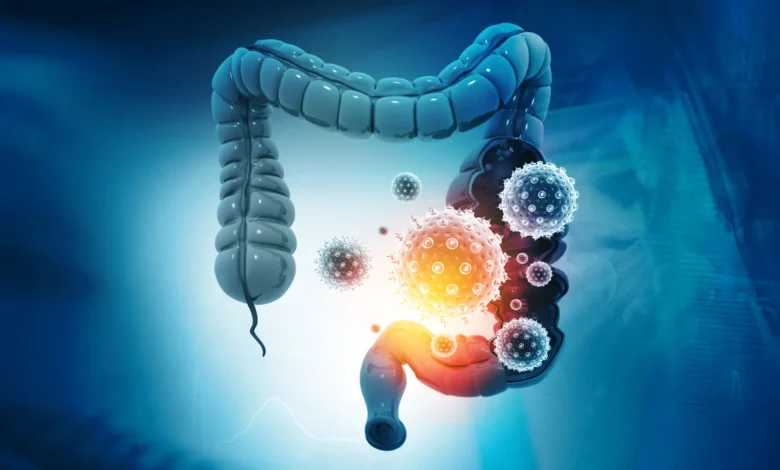
For nearly two decades, the scientific community has grappled with a persistent mystery: how does a common, often benign bacterium residing in the human gut gain the ability to initiate the transformation of healthy tissue into cancerous tumors? While it has long been known that Bacteroides fragilis can produce a specific toxin capable of damaging the colon, the precise mechanism by which this toxin docks onto intestinal cells has remained elusive. A landmark study led by researchers at the Johns Hopkins Kimmel Cancer Center and the Bloomberg-Kimmel Institute for Cancer Immunotherapy has finally identified this "missing link," uncovering a protein called claudin-4 as the essential gateway for the toxin’s destructive activity.
This discovery, published in the journal Nature, represents a significant milestone in gastrointestinal research. By pinpointing the exact molecular "lock" that the bacterial toxin exploits to gain entry, researchers have not only solved a long-standing biological puzzle but have also successfully engineered a molecular decoy capable of neutralizing the threat before it can initiate cellular damage.
A Two-Decade Quest for the Mechanism of Action
The investigation into Bacteroides fragilis toxin (BFT) traces back to the early 2000s, when epidemiologists and microbiologists began observing a correlation between specific bacterial strains and chronic intestinal inflammation. Approximately 20% of the healthy human population carries Bacteroides fragilis in their gut microbiome. In most individuals, the bacterium is a harmless commensal organism. However, "enterotoxigenic" strains secrete BFT, a potent protein that disrupts the intestinal lining.
In 2009, a pivotal study published in Nature Medicine by Dr. Cynthia Sears and her colleagues at Johns Hopkins established that BFT is a direct contributor to the development of colon tumors in mouse models. This research solidified the link between the toxin, chronic inflammation, and the onset of colorectal cancer. It was observed that BFT systematically cleaves E-cadherin, a critical protein responsible for maintaining the "tight junctions" that hold intestinal cells together. Once this barrier is breached, the integrity of the colon wall is compromised, allowing for a cascade of inflammatory responses and potentially carcinogenic cellular mutations.
Despite these findings, the mechanism of attack remained incomplete. Researchers knew the "weapon" (BFT) and the "casualty" (E-cadherin), but they could not explain the proximity required for the damage to occur. The toxin does not bind directly to E-cadherin, suggesting that an intermediary receptor was acting as a bridge.
Harnessing CRISPR to Solve the Molecular Mystery
To identify the unidentified receptor, researchers turned to CRISPR-Cas9, the revolutionary gene-editing technology. Under the guidance of Dr. Cynthia Sears and working in partnership with the laboratory of Dr. Matthew Waldor at Harvard Medical School, the team conducted a genome-wide CRISPR screen. The objective was to methodically deactivate individual genes within colon epithelial cells—the cells forming the inner lining of the gut—to see which deletions would render the cells immune to BFT.
The screening process was exhaustive, requiring the researchers to create a library of cells, each lacking a different gene, and then exposing them to the toxin. When the gene responsible for producing claudin-4 was disabled, the results were instantaneous and definitive: the toxin could no longer bind to the cells.
"It took a while to get the assay working and validate the approach, but once we were able to do the screen, claudin-4 was a clear, resounding top hit," said Maxwell White, an M.D./Ph.D. candidate in the Sears laboratory and lead author of the study.
The identification of claudin-4 was unexpected. Most scientists in the field had hypothesized that BFT would interact with a G protein-coupled receptor—a type of signaling protein common in cellular communication. Instead, the toxin targets a structural protein that helps form the physical seal between cells. This suggests that BFT has evolved a highly specialized method of entry that exploits the very architecture intended to protect the colon.
Structural Validation and the Role of International Collaboration
To confirm that claudin-4 is indeed the receptor for BFT, the Johns Hopkins team engaged in a cross-disciplinary collaboration with structural biologists at the Molecular Biology Institute of Barcelona, including F. Xavier Gomis-Rüth and Ulrich Eckhard. Utilizing advanced molecular interaction analysis, the researchers were able to observe the toxin and the receptor forming a stable, one-to-one complex.
This structural confirmation provided the "smoking gun" needed to validate the discovery. While artificial intelligence platforms like AlphaFold have revolutionized the field of structural biology, the researchers noted that even these sophisticated tools struggled to resolve the complex interaction between BFT and claudin-4, underscoring the novelty and complexity of the binding mechanism.
The Development of a Molecular Decoy
With the receptor identified, the researchers pivoted from discovery to intervention. If claudin-4 acts as the "door" through which the toxin enters, then blocking that door should prevent the toxin from ever reaching its target.
The team engineered a soluble, molecular decoy—a protein fragment mimicking the binding site of claudin-4. In theory, when the decoy is introduced into the environment, the BFT molecules will bind to the decoy instead of the actual claudin-4 on the colon cells. In partnership with Dr. Min Dong’s laboratory at Harvard Medical School, the team tested this strategy in mice.
The results were statistically significant. The decoy effectively "mopped up" the BFT, preventing it from binding to the gut lining and successfully inhibiting the cleavage of E-cadherin. This prevented the characteristic tissue damage associated with the toxin, offering a proof-of-concept for a new class of preventative therapies.
Clinical Implications and Future Directions
The implications for human health are broad. While the current findings are confined to laboratory settings and mouse models, they open a new frontier for addressing conditions linked to bacterial toxins. Beyond colorectal cancer, BFT has been implicated in various forms of infectious diarrhea and even systemic bloodstream infections.
"Understanding how bacterial toxins work can open doors to new approaches for detection and therapy for associated diseases," said Dr. Cynthia Sears.
However, the road to a clinical application remains long. The researchers emphasize that the current decoy is an experimental tool rather than a drug. Future iterations will need to focus on pharmacokinetics—ensuring that a therapeutic version of the decoy can survive the harsh environment of the human digestive tract and reach the colon in sufficient concentrations. Scientists are currently exploring both small-molecule inhibitors and refined biological agents that could offer better stability and ease of administration.
Furthermore, while the study provides a vital piece of the puzzle regarding tumor formation, it does not suggest that BFT is the sole cause of colorectal cancer. Cancer is a multi-factorial disease, and the role of the microbiome is only one of many variables, including genetics, diet, and environmental exposures. Nevertheless, by intercepting the toxin at its first point of contact, clinicians may one day be able to reduce the chronic inflammation that creates a favorable environment for tumor growth.
A New Era for Microbiome-Targeted Therapies
This research marks a departure from traditional approaches to bacterial infections. Rather than using broad-spectrum antibiotics—which can indiscriminately wipe out beneficial gut bacteria and exacerbate dysbiosis—the strategy of using a molecular decoy offers a "precision medicine" approach. By specifically targeting the toxin rather than the bacterium itself, the commensal population of Bacteroides fragilis can remain intact, potentially minimizing the negative side effects associated with standard antibiotic treatments.
The collaborative nature of this study—spanning institutions like Johns Hopkins, Harvard, and the Molecular Biology Institute of Barcelona—reflects the modern reality of high-impact medical research. With funding support from the National Institutes of Health, the Bloomberg-Kimmel Institute, and other key organizations, the team has turned a 20-year-old biological mystery into a tangible therapeutic pathway.
As the research moves toward potential clinical trials, the scientific community will be watching closely. If the decoy approach proves successful in human trials, it could fundamentally change how we manage the relationship between the human microbiome and cancer risk. For now, the identification of claudin-4 as the receptor for BFT stands as a definitive breakthrough, providing the fundamental knowledge necessary to begin designing the next generation of preventative cancer therapies.
The study, while comprehensive, underscores the necessity of continued investigation into the three-dimensional interactions of proteins within the human gut. As researchers continue to map the complex landscape of microbial influence on human health, this discovery provides a critical roadmap for future innovations in both the detection and treatment of toxin-mediated diseases.