Historic U.S. Extradition to El Salvador: Dual Citizen Sent Back to Face Aggravated Femicide and Murder Charges

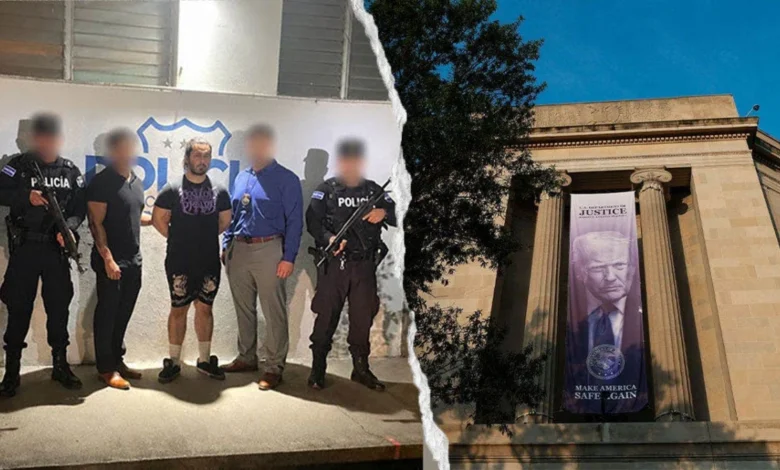
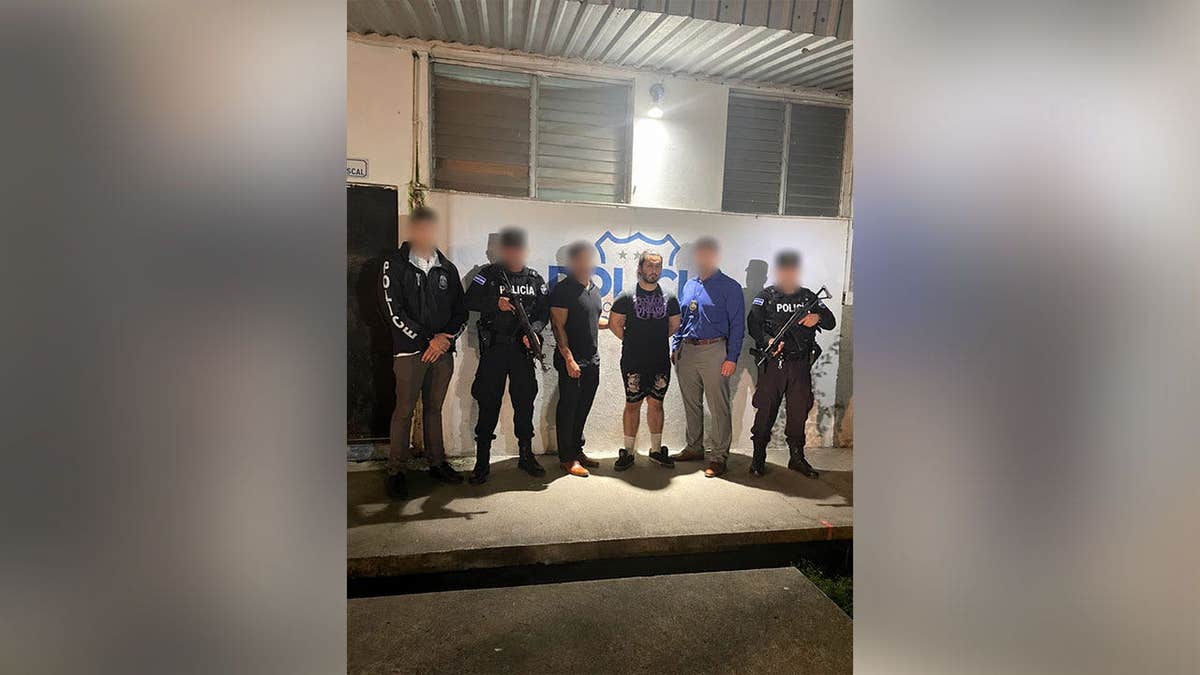
In a historic legal development that underscores cross-border judicial cooperation, the United States Department of Justice announced the successful extradition of a dual U.S.-Salvadoran citizen to El Salvador. Michael Alejandro Castillo Murga, 27, formerly a resident of Beaumont, California, was surrendered to Salvadoran law enforcement authorities to stand trial for the brutal 2019 slaying of a 23-year-old mother.
This high-profile case marks a monumental milestone in international law enforcement history: it is the first time the United States government has surrendered an American citizen to face prosecution for criminal offenses allegedly committed within the borders of El Salvador. The extradition follows years of meticulous investigative work, complex legal maneuvers in federal courts, and diplomatic authorizations at the highest levels of the U.S. government.
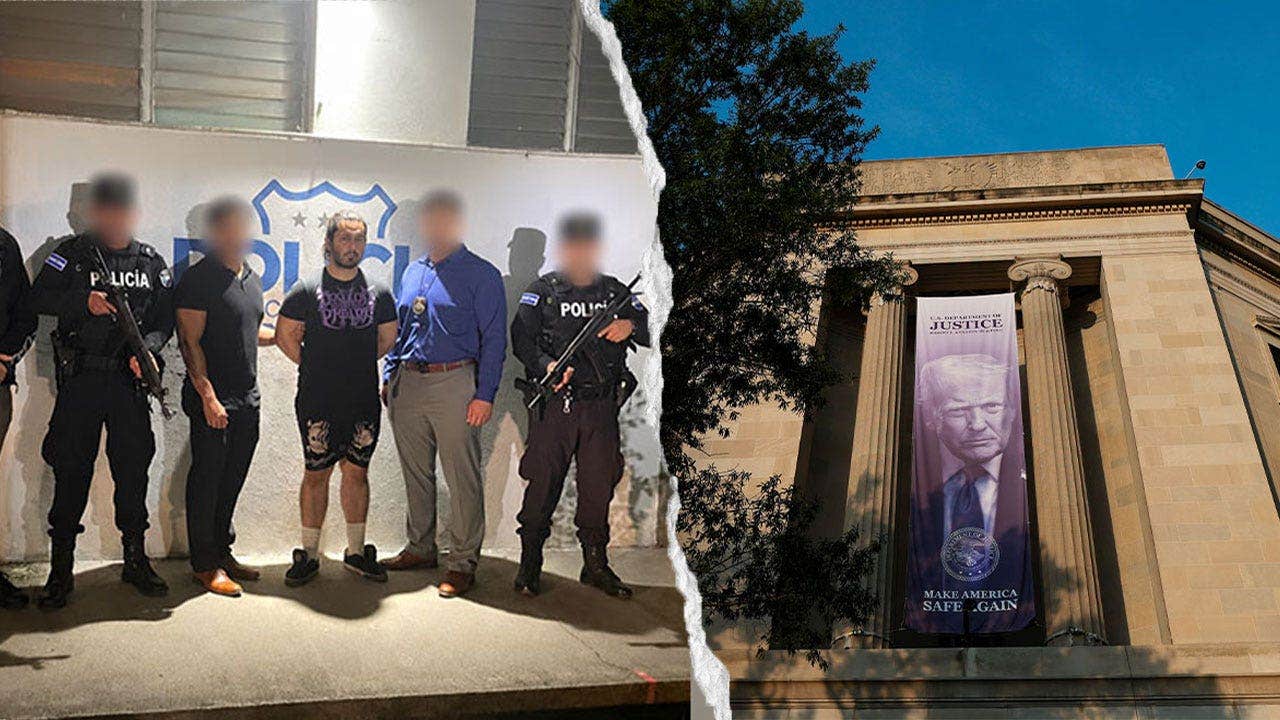
Castillo Murga faces serious charges in his country of birth, including aggravated femicide and imperfect homicide, stemming from an incident that shook communities in both California and Central America nearly seven years ago.
The 2019 Tragic Event and Allegations
The grim sequence of events began on January 31, 2019. According to comprehensive case files compiled by Salvadoran investigators, Castillo Murga traveled to the home of Melvi Fernanda Nájera Quezada’s mother in El Salvador. There, he picked up the 23-year-old woman and their young toddler son, ostensibly under the guise of reuniting the family and establishing a shared household.
Instead of moving toward a domestic reconciliation, prosecutors allege that Castillo Murga drove the victims to an isolated location. Investigators state that he viciously attacked Nájera Quezada, taking her life in front of their infant son before abandoning the terrified toddler near her remains.
The following day, on February 1, 2019, Nájera Quezada’s body was discovered near a Salvadoran highway alongside the unharmed, yet traumatized, child. A subsequent forensic autopsy revealed the horrific nature of the crime. According to the Department of Justice, the victim died from catastrophic blood loss caused by deep slash wounds to her neck and other severe injuries inflicted using a plastic knife.
Chronology of Flight, Cover-Up, and Capture
The investigation rapidly expanded across international boundaries as Salvadoran authorities and U.S. law enforcement pieced together Castillo Murga’s frantic efforts to escape justice.
- February 2019: Shortly after the murder, estimated to be around February 2, 2019, Castillo Murga fled El Salvador. Prosecutors revealed that he was aided in his escape by his grandmother and an unidentified attorney, who allegedly helped him cross the border into Guatemala before he eventually made his way back into the United States.
- The Cover-Up: Evidence presented by prosecutors indicated an intricate conspiracy to destroy forensic proof. Castillo Murga’s grandmother and the attorney reportedly hired two individuals to meticulously scrub the interior and exterior of Castillo Murga’s vehicle using a mixture of water, car shampoo, and vinegar in an attempt to wash away bloodstains. Despite their efforts, forensic teams later recovered residual biological evidence. Additionally, investigators tied Castillo Murga to the crime through critical cellular location data, witness testimonies, and a self-incriminating photograph that Castillo Murga sent to his girlfriend, which visibly displayed bloodstains smeared across his face and neck.
- October 2024: Following years of diplomatic and legal coordination, the U.S. Marshals Service for the Central District of California finally caught up with Castillo Murga, arresting him in Southern California pursuant to an official extradition request filed by the government of El Salvador.
- November 2025 – September 2026: Castillo Murga aggressively contested his removal through the American federal court system. A federal judge formally denied his habeas corpus petition challenging the extradition in November 2025. A subsequent legal bid to halt his transfer out of the country was similarly rejected by the courts in September 2026.
- October 2026: With all domestic legal hurdles cleared, the U.S. Secretary of State formally authorized the surrender. On a Wednesday morning, U.S. Marshals officially transferred custody of Castillo Murga to Salvadoran authorities, paving the way for his immediate return to face criminal trial.
Broader Implications for International Extradition and U.S. Policy
Legal analysts and human rights advocates have pointed out that this case sets a profound legal precedent. Historically, nations have often been hesitant or legally restricted from extraditing their own citizens to foreign jurisdictions, frequently opting instead to prosecute them domestically if jurisdictional statutes permit.
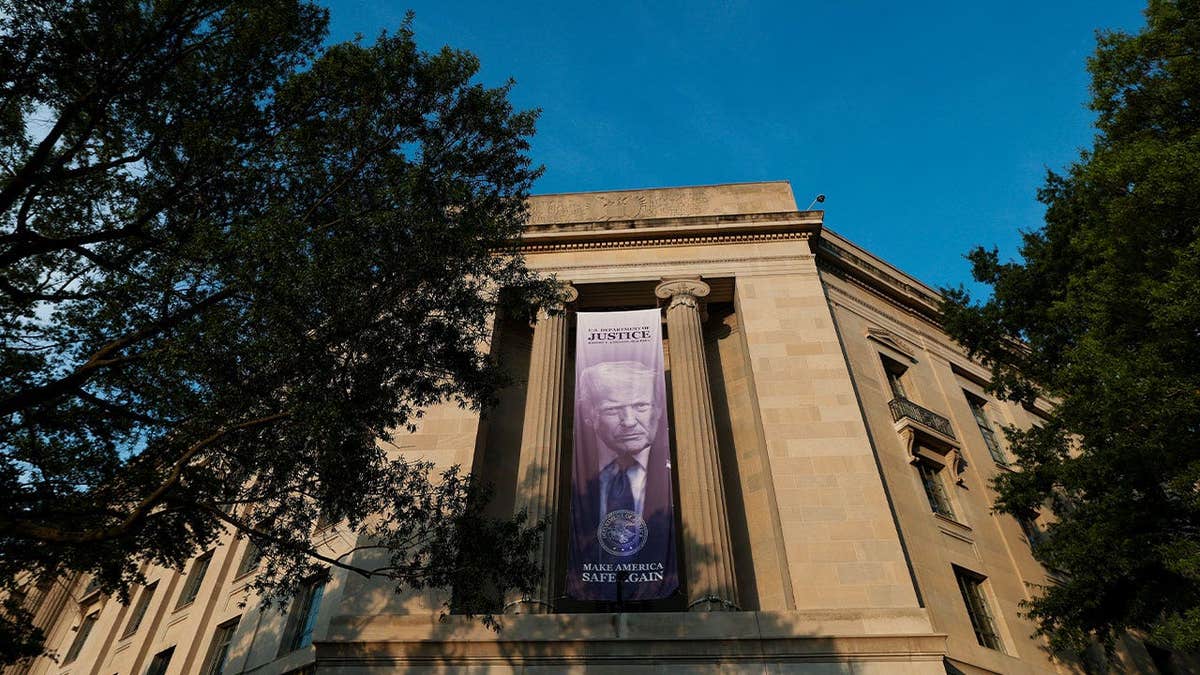
However, the successful execution of Castillo Murga’s transfer highlights a shifting paradigm in modern international criminal law. By allowing an American citizen to be tried abroad for crimes committed on foreign soil, the U.S. Department of Justice has signaled a robust commitment to transnational accountability—particularly regarding severe crimes of gender-based violence, such as femicide.
The case also reflects strengthening judicial and diplomatic channels between the United States and El Salvador. In recent years, both nations have prioritized enhanced cooperation to dismantle transnational crime networks, ensure accountability for violent offenders who attempt to use international borders as shields, and provide closure to grieving families.
As Castillo Murga stands trial in El Salvador, the case will undoubtedly be studied by legal scholars as a benchmark for future extradition proceedings involving dual nationals accused of committing heinous crimes outside U.S. borders. For the family of Melvi Fernanda Nájera Quezada, the extradition represents a hard-fought step toward securing justice nearly seven years after a tragedy that forever altered the lives of her loved ones and left a young child without a mother.