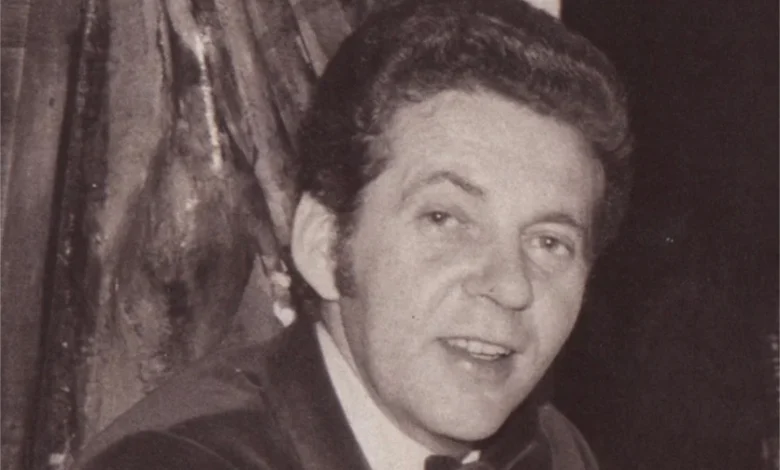
The passing of Earl Barret on October 22 marks the end of an era for a generation of television viewers who grew up on the staple sitcoms of the 1960s, 70s, and 80s. A craftsman of the small screen, Barret’s career trajectory offers a window into the evolution of American television, spanning the transition from the golden age of black-and-white variety and comedy shows to the colorized, multi-camera sitcom dominance of the late 20th century.
A Career Forged in the Writing Room
Barret’s entry into the entertainment industry was unconventional, rooted in a serendipitous encounter that would define his professional life for the next three decades. In 1961, Barret enrolled in a weekly television writing class taught by Robert C. Dennis. The mentorship quickly evolved into a collaborative partnership, setting the stage for a career defined by high-volume output and a keen understanding of the episodic structure required for the burgeoning television medium.
Throughout the 1960s, Barret became a ubiquitous presence in the industry. He was a quintessential "working writer," a title he held with pride as he contributed to over 30 television series. His resume reads like a definitive list of mid-century American pop culture, including credits on My Favorite Martian, the iconic Batman series, Bewitched, The Andy Griffith Show, and I Spy. This period was marked by an intense, fast-paced work environment where writers were expected to move seamlessly between genres—from the slapstick humor of Sanford and Son to the situational comedy of Welcome Back, Kotter.
The Apex: Too Close for Comfort
While Barret’s contributions as a freelance writer were extensive, his professional legacy is most firmly cemented by the creation of Too Close for Comfort. Developed alongside his longtime writing partner, Arne Sultan, the series served as a vehicle for actor Ted Knight, who had recently departed The Mary Tyler Moore Show.
The show, which debuted on ABC in 1980, navigated the cultural tensions of its time. Set in San Francisco, the narrative focused on Henry Rush, a conservative cartoonist played by Knight, and his efforts to maintain a protective, if not overbearing, distance from his two adult daughters living in an apartment below his home. The premise provided a comedic exploration of the generational divide and the evolving definition of family in liberal urban environments.
The series enjoyed a successful three-year run on ABC before transitioning into a syndicated format from 1984 to 1987. Beyond writing and executive producing, Barret took a more hands-on approach during this period, directing 13 episodes. This move into direction demonstrated a desire to maintain creative control over the tone and pacing of the show, ensuring that the sharp, observational humor he and Sultan cultivated reached the screen as intended.
Early Life and Artistic Foundation
Long before he was a household name in television writing, Barret was a performer. Born with a penchant for the arts, his foundation was laid in childhood with rigorous training in tap dancing and violin lessons in Guangzhou, Ohio. This early exposure to the mechanics of performance likely contributed to the "impeccable comic timing" noted by his family members throughout his career.
Barret’s formal education took him through Hollywood High School and Los Angeles City College, institutions that served as breeding grounds for many of the creative talents who would define the Hollywood studio system. Initially, Barret pursued acting, holding a SAG card and auditioning for roles before realizing that his true mastery lay behind the typewriter. His transition from actor to writer provided him with a unique perspective; he understood the requirements of the performer, which allowed him to write dialogue that felt natural and rhythmically sound—a skill that set him apart from many of his peers.
Chronology of a Prolific Life
- Early Years: Studied music and dance in Guangzhou, Ohio, developing a lifelong appreciation for the performing arts.
- 1961: Enrolled in Robert C. Dennis’s TV writing course, marking the formal beginning of his professional writing career.
- 1960s-1970s: Contributed scripts to more than 30 television programs, including Bewitched, Batman, and The Andy Griffith Show.
- 1980: Launched Too Close for Comfort on ABC, starring Ted Knight and Nancy Dussault.
- 1984-1987: The series transitioned into a successful syndicated run, cementing its place in television history.
- Feature Film Work: Collaborated with Arne Sultan on the script for the 1989 feature film See No Evil, Hear No Evil, starring Gene Wilder and Richard Pryor.
- October 22: Died at his home in Sherman Oaks, California, at age 94.
Reflections and Legacy
The impact of Barret’s work extends beyond the sheer number of episodes he produced. In the landscape of 1970s and 80s television, the "sitcom writer" was the backbone of network stability. Shows like Sanford and Son and Welcome Back, Kotter were not just entertainment; they were cultural touchstones that addressed, albeit through a comedic lens, the changing social dynamics of American cities. Barret’s ability to inject wit and heart into these scenarios allowed his work to resonate across demographics.
His daughter, J.K. Barret, noted that her father remained a "lifelong learner with a keen, curious mind" even in his later years. This curiosity likely informed his collaborative process, as he frequently partnered with writers like Arne Sultan to expand his creative output. Their partnership, which extended from television to the feature film See No Evil, Hear No Evil, demonstrated a rare longevity in an industry notoriously prone to frequent creative breakups.
The film See No Evil, Hear No Evil serves as an interesting coda to his television career. By the late 1980s, the comedic style of the era was shifting, and the transition to feature films allowed Barret to work with some of the biggest comedic talents of the generation. The film remains a testament to his versatility and his ability to adapt his writing voice to the demands of the big screen.
Family and Survivors
Earl Barret is survived by his wife, Barbara Barnett Barret; his daughter, J.K. Barret; his son, John Nelson; and five grandsons. He was predeceased by his daughter, Lisa Nelson. His family has requested privacy during this time of mourning, as the industry remembers a man who spent nine decades cultivating a passion for the arts that began with a violin in Ohio and ended with a lasting mark on American television history.
Historical Context and Implications
To analyze Barret’s career is to analyze the history of the American sitcom. During his most active years, the television industry was characterized by the "factory model" of production. Writers were expected to be prolific, disciplined, and adaptable. Barret thrived in this environment, not by chasing trends, but by mastering the structural demands of the 22-minute comedy.
The success of Too Close for Comfort in syndication also highlights the importance of the "evergreen" quality of sitcoms. Because Barret focused on family dynamics and character-driven conflict rather than topical or ephemeral humor, his work maintained its relevance long after the initial broadcast. This is a characteristic shared by the most enduring shows in television history and serves as a benchmark for the quality of writing that Barret brought to his projects.
While the modern era of television has shifted toward serialized drama and streaming platforms, the DNA of the classic sitcom—and the work of writers like Earl Barret—remains visible. The rhythmic pacing, the setup-punchline structure, and the reliance on ensemble chemistry are all hallmarks of the craft he spent his life perfecting. As the industry looks back at his body of work, it is clear that Barret was more than just a writer; he was a foundational figure who helped build the comedic framework that continues to influence the medium today. His death is not merely the loss of an individual, but the passing of a vital link to the creative spirit of mid-century television production.