Final Sprint to the Midterms: High-Stakes Campaigning Underway as Parties Fight for Control of Congress

With just nine days remaining until the critical midterm elections, the political landscape across the United States has reached a fever pitch. Both major political parties are executing aggressive final-stretch strategies to shape the fight for control of Congress, deploying their most prominent figures to mobilize voters, shore up base support, and sway undecided constituencies in tightly contested battlegrounds.
The stakes for the legislative branch have rarely been higher. The outcome of these midterms will dictate which party controls the House of Representatives and the Senate during the final two years of President Donald Trump’s term, directly influencing the legislative runway for his administration’s domestic, economic, and judicial agendas.
High-Profile Surrogates and Heavy-Hitting Itinerary
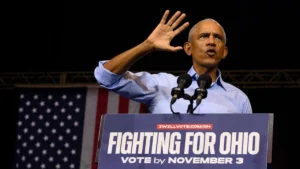
The campaign trail has turned into a high-speed logistical marathon. President Donald Trump and Vice President JD Vance are traversing the country to rally the Republican base, focusing heavily on economic grievances and national security. Meanwhile, Democrats are answering with their own heavyweight firepower, deploying former President Barack Obama and former Vice President Kamala Harris to vital regions to energize the progressive and moderate coalitions.
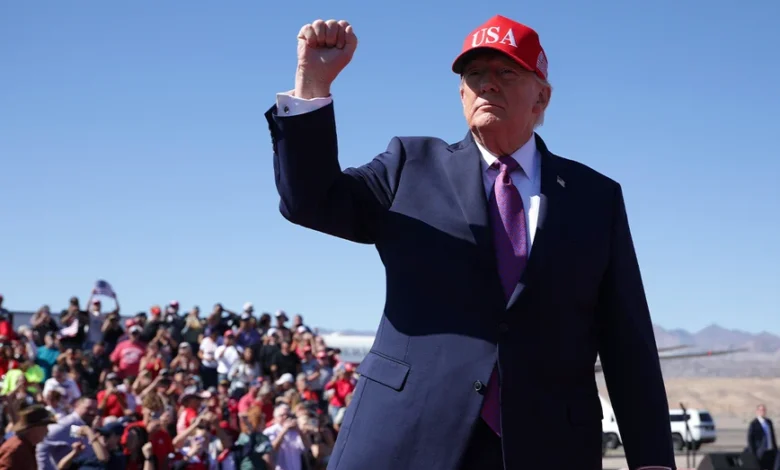
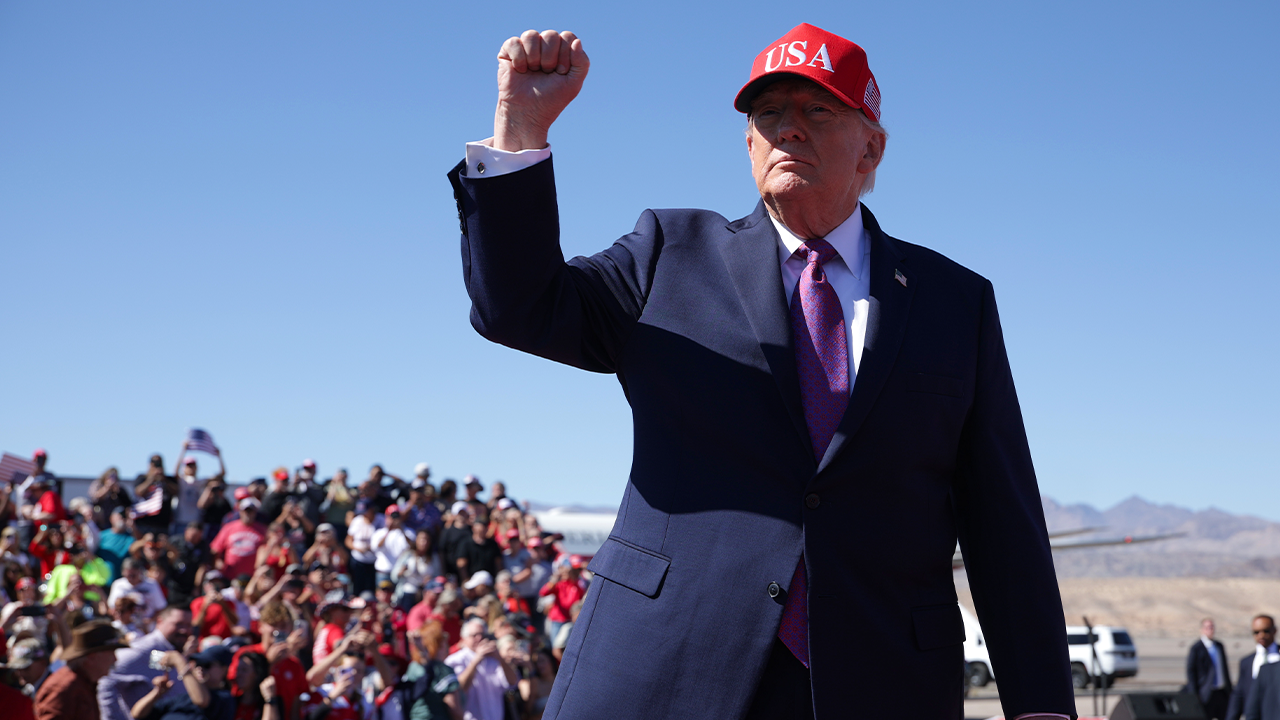
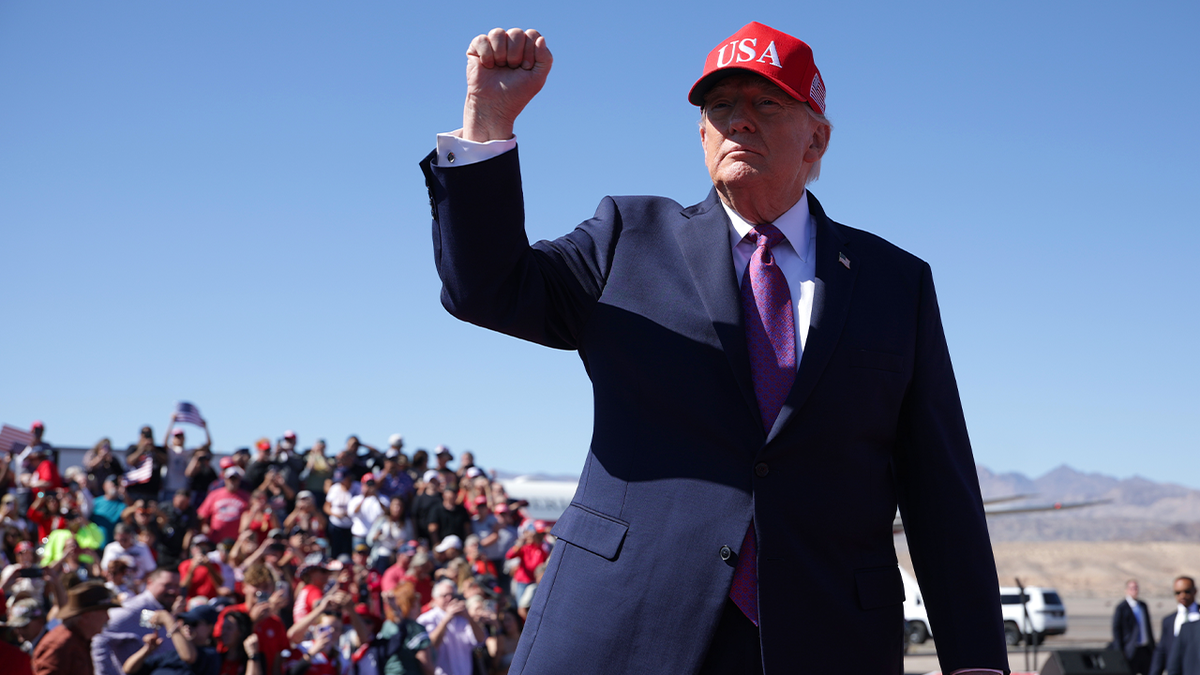
President Trump’s travel schedule underscores his commitment to keeping an exhausting pace. True to his early October promise to hold between five and seven rallies per week, the president’s itinerary spans coast-to-coast, touching traditional conservative bastions as well as crucial swing regions. This past weekend alone encapsulated his relentless tempo: Trump campaigned in Florida on Friday, transitioned to Georgia on Saturday, and rallied supporters in Michigan on Sunday. His recent stops also reach into states like Texas, Oklahoma, Ohio, and Arizona, blending visits to safely red districts with stops in pivotal legislative battlegrounds.
On the Democratic side, former President Obama and former Vice President Harris are strategically targeting regions where Senate and House races remain on a knife-edge. Obama recently brought his signature star power to the trail in Ohio and Michigan, aiming to cut through voter apathy in the Rust Belt. Harris has focused her recent efforts on competitive states such as Nevada, Mississippi, and New Hampshire, emphasizing healthcare access, reproductive rights, and infrastructure investments.
Mapping the Battlegrounds: Safe Seats vs. Toss-Ups
An analysis of campaign travel maps reveals a clear tactical division between base reinforcement and swing-state outreach. Deep-red states like Oklahoma and Alabama are receiving visits from Republican leadership designed to maximize voter turnout and pad margins in safe districts, which is crucial for retaining down-ballot House seats.
However, a significant portion of the travel footprint overlaps with the nation’s most volatile Senate contests. States such as Ohio, Texas, and Iowa—traditionally viewed as leaning Republican—have transformed into unexpectedly competitive battlegrounds. Recent polling data from the Cook Political Report indicates that Democratic candidates are maintaining narrow leads in these three states, raising alarm bells among GOP strategists and creating prime opportunities for Democrats looking to defend or expand their legislative footprint.
Similarly, Michigan remains a crown jewel of the midterm map. As both a crucial presidential swing state and a fiercely contested Senate battleground, Michigan has seen intense foot traffic from both Trump and Obama, highlighting the state’s outsized influence on the national balance of power.
Economic Anxieties Take Center Stage
Underpinning the final days of campaigning is a relentless focus on the American economy. With persistent inflation, rising consumer costs, and cost-of-living pressures weighing heavily on households, the economy has firmly established itself as the defining issue of the 2026 midterms.
Republicans are weaponizing high consumer prices to put the incumbent administration and congressional Democrats on the defensive, arguing that federal spending policies have fueled inflation. The GOP’s recently released legislative playbook emphasizes tax relief, deregulation, and energy independence as core solutions to alleviate financial strain on middle-class families.
Conversely, Democrats are pushing back by highlighting job growth, manufacturing investments driven by previous legislation, and protections for social safety net programs. They argue that Republican proposals would disproportionately benefit corporations while cutting vital public services. As voters prepare to head to the polls, these competing economic narratives will serve as the ultimate litmus test for the electorate.
The Chronology of the Final Stretch
The path to November 3 has been marked by escalating rhetoric and shifting momentum.
Early October: President Trump formally announced an aggressive rally schedule, committing to five to seven public events weekly to counter Democratic enthusiasm.
Mid-October: Polling shifts in several traditionally safe Republican states, notably Ohio, Iowa, and Texas, prompt both parties to recalibrate their travel maps. High-profile surrogates like Barack Obama and Kamala Harris increase their public appearances.
Late October (Current Phase): With less than two weeks remaining, early voting numbers surge across numerous states. Campaigns transition entirely from broad policy discussions to targeted get-out-the-vote (GOTV) operations, ground-game deployment, and final media blitzes.
Implications for the Remainder of the Presidential Term
The structural balance of power in Washington hangs in the balance. If Republicans successfully hold the House and reclaim the Senate, President Trump’s legislative agenda will receive a substantial tailwind, enabling smoother confirmations of judicial nominees and legislative advancements on tax and immigration policy.
On the other hand, if Democrats manage to defy historical midterm trends—which typically favor the party out of the White House—and retain control of either chamber of Congress, the federal government will likely enter a period of sharp legislative gridlock, characterized by intense oversight, stalled executive appointments, and protracted budgetary battles.
As the clock ticks down to Election Day, the millions of dollars spent, thousands of miles traveled, and countless speeches delivered will culminate at the ballot box. For both parties, the final nine days represent the ultimate window to define the narrative, motivate the faithful, and convince the remaining undecided voters before the ultimate verdict is rendered.
Related posts: