The Electrification of Boston’s Fairmount Line Represents a Milestone in Transit Equity and Environmental Justice

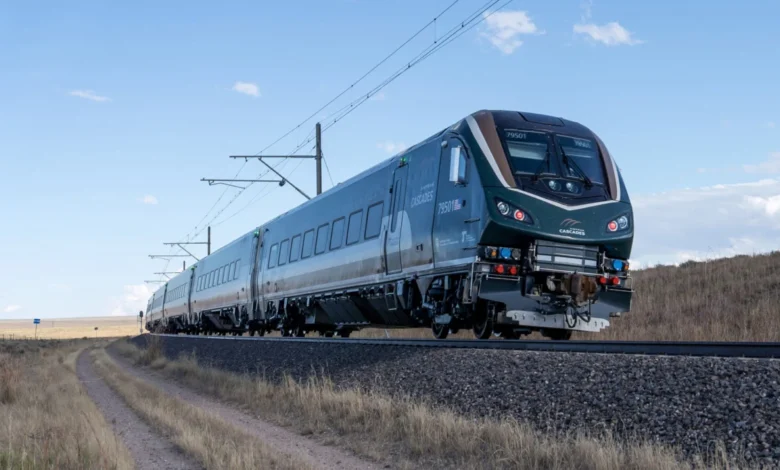
Decades of grassroots advocacy in Boston’s Dorchester neighborhood are culminating in a significant technological shift for the Massachusetts Bay Transportation Authority (MBTA). By 2030, the Fairmount Line, a critical rail artery serving historically underserved communities of color, is slated to transition from diesel-powered locomotives to a fleet of battery-electric trainsets. This $765 million initiative represents more than a logistical upgrade; it is the realization of a long-standing demand for environmental health and service parity in a city where transit access has historically mirrored socioeconomic divides.
A Legacy of Disparity and Advocacy
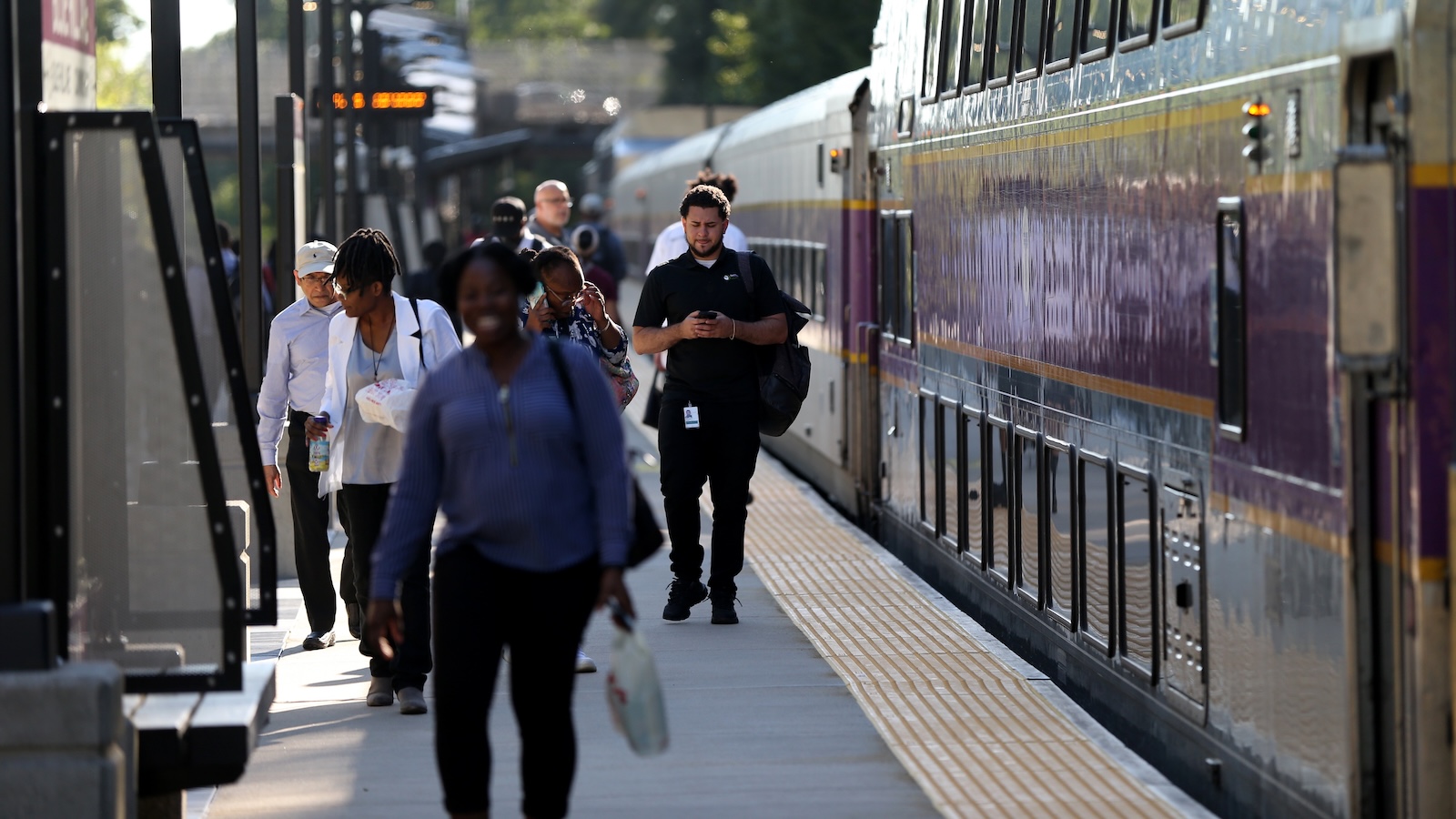
The narrative of the Fairmount Line is deeply intertwined with the history of urban planning in Boston. For much of the 20th century, the tracks bisected the Four Corners area and other neighborhoods in Dorchester and Mattapan, yet the trains rarely served the residents living in their shadow. Marvin Martin, the former head of the transit advocacy group Action For Equity, vividly recalls the early 1990s, when the sight of commuter trains passing through his community without stopping became a potent symbol of exclusion. While suburban commuters enjoyed comfortable, reliable transit, neighborhood residents were relegated to crowded, slower bus routes.
Martin’s activism, which began in earnest in 1995, sought to rectify this imbalance by pushing the MBTA to integrate the Fairmount Line into the regional transit fabric. The process was slow and marked by bureaucratic inertia. It was not until 2012 and 2013 that the MBTA finally opened three stations in Dorchester, followed by a fourth in Mattapan in 2019. However, even with improved access, the reliance on diesel locomotives remained a point of contention. For residents, the exhaust emitted by idling or passing diesel trains was not merely an inconvenience but a public health concern, contributing to the poor air quality already prevalent in densely populated urban corridors.
The Shift to Battery-Electric Technology
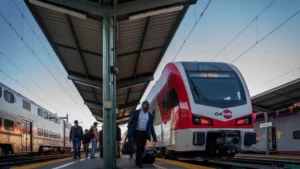
The MBTA’s commitment to lease seven four-car, battery-powered trainsets from the Swiss manufacturer Stadler marks a pivotal moment in the agency’s modernization efforts. Unlike traditional electrification projects that require the installation of expensive and complex overhead catenary wires, battery-powered trains offer a more flexible, albeit technologically nascent, solution.
The procurement, which spans a 15-year lease agreement, is designed to provide the MBTA with a "sandbox" to evaluate the feasibility of battery technology before committing to system-wide adoption. According to MBTA projections, the transition will increase service frequency from the current 30-minute intervals to every 20 minutes. Beyond the service improvements, the environmental impact is significant: the agency estimates an annual reduction of 17,700 tons of carbon dioxide emissions, providing immediate relief to the neighborhoods along the 10-mile route.
Global Context and Technological Hurdles
The Fairmount Line project sits at the intersection of a global trend toward decarbonizing public transportation. As transit agencies worldwide grapple with volatile fuel costs and the urgent need to meet climate goals, many are turning to battery-electric rail (BEMUs). Germany, for instance, has already deployed Alstom-built battery trains on a 50-mile route, serving approximately 2 million passengers annually.
However, experts remain cautious about the scalability of this technology. Chris Friend, interim executive director of the transit advocacy organization TransitMatters, notes that while the Fairmount Line is an ideal test case due to its short length, the technology has not yet been proven in high-ridership, high-frequency environments. "The question remains whether this is a viable path forward or if we are entering another quagmire of unproven technology," Friend said. The concern is that if the battery sets fail to meet the rigorous demands of urban rail—such as frequent starts and stops—the MBTA could face significant maintenance costs and service disruptions.
Historical Perspective: The Return to Electricity
The irony of this transition is that Boston is actually returning to its roots. The city was a pioneer in early rail electrification, launching North America’s first electric streetcar in 1889 and the Tremont Street Subway shortly thereafter. During the early 20th century, electrification was the gold standard for urban rail, largely because steam engines were dangerous and stifling in subterranean environments.
Historian Albert Churella of Kennesaw State University suggests that the post-World War II decline of passenger rail—and the subsequent reliance on diesel—was a matter of economic expediency rather than technological superiority. "Steam railroads were already heavily invested in diesel, which was cheaper to deploy because it didn’t require expensive infrastructure like overhead wires," Churella explained. "We are now seeing a correction to that era of cost-cutting."
Evidence from the Bay Area: The Caltrain Success Story
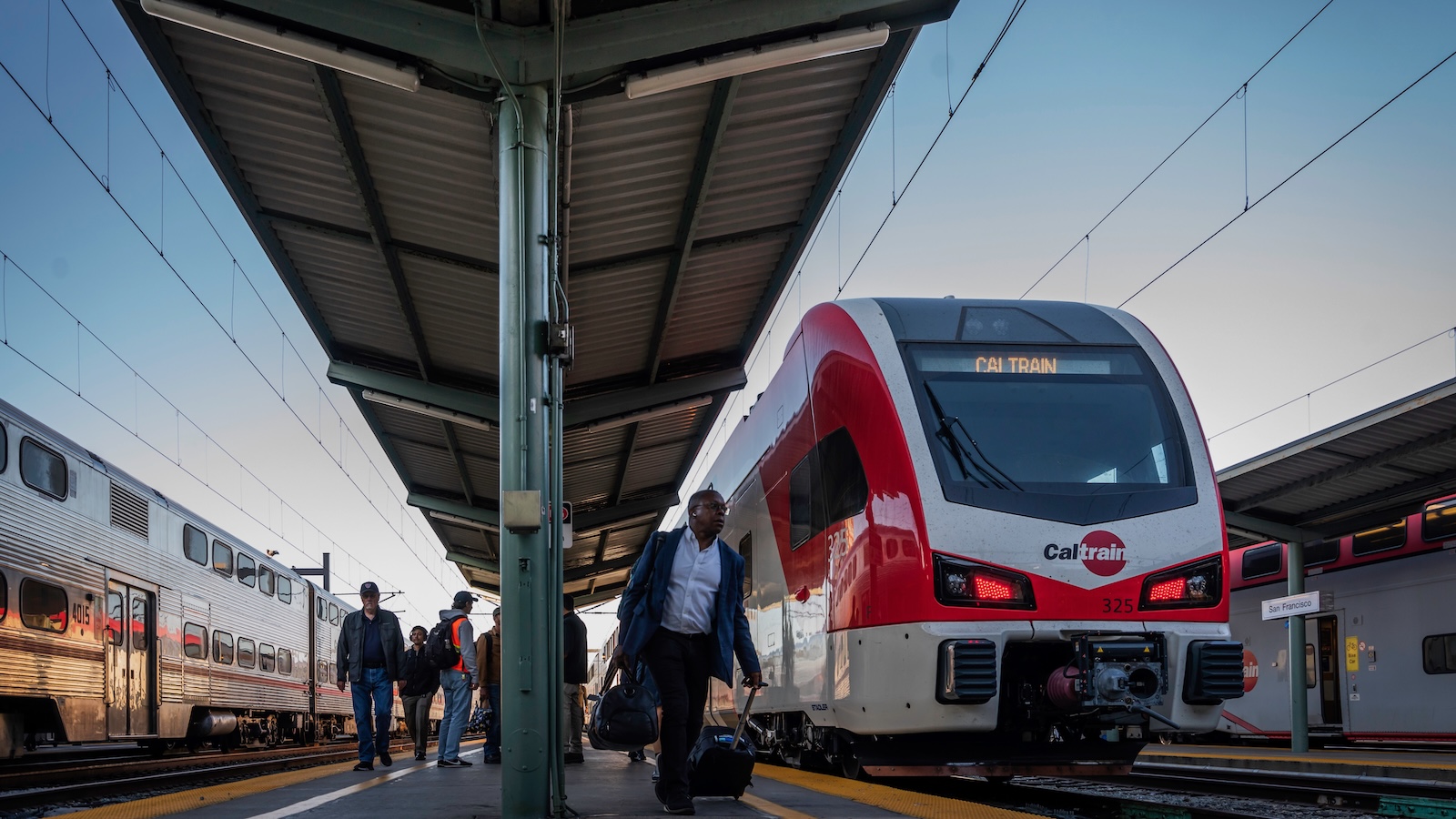
To understand the potential benefits of this transition, policymakers are looking closely at the Caltrain electrification project in the San Francisco Bay Area. In 2024, Caltrain replaced its aging diesel fleet with high-performance electric trains on the 51-mile route connecting San Francisco and San Jose. The results have been transformative. Commute times decreased by nearly 23 percent due to the superior acceleration of electric motors, and ridership surged by 60 percent.
More importantly, the public health benefits were quantifiable. Research led by Dr. Joshua Apte of the University of California, Berkeley, found that riders’ exposure to black carbon—a harmful particulate matter linked to respiratory and cardiovascular issues—dropped by 89 percent. This level of improvement is comparable to decades of stringent air quality regulations. If the Fairmount Line can replicate even a fraction of these gains, the long-term health and economic benefits for Dorchester and Mattapan residents will be substantial.
The Path Forward: Challenges and Implications
The MBTA is not placing all its bets on battery technology. The agency is currently pursuing a diversified strategy, exploring both battery-electric and catenary-based overhead power for the Providence Line. This hybrid approach reflects the reality that there is no "silver bullet" for rail decarbonization. The complexity of the existing rail infrastructure—much of which is shared with freight operators and long-distance passenger services—often precludes full-scale electrification.
For advocates like Marvin Martin, the technical complexities are secondary to the primary goal: a cleaner, more efficient, and more equitable transit system. While he admits that the trains will remain a "novelty" until they are actually on the tracks in 2030, he views the current plan as a victory for community organizing. The three-decade-long campaign to transform the Fairmount Line serves as a blueprint for other urban transit corridors seeking to address the legacy of environmental racism.
As the 2030 deadline approaches, the MBTA will face the challenge of integrating these new trainsets into an aging system. Success will depend on rigorous testing, maintenance support, and a commitment to ensuring that the increased frequency translates into reliable, affordable access for the riders who need it most.
Ultimately, the electrification of the Fairmount Line serves as a case study for the future of American transit. It highlights the potential for battery technology to bridge the gap between expensive, fixed-wire infrastructure and the urgent, unmet needs of urban communities. Whether it becomes a model for other transit agencies or a cautionary tale about the limits of new technology remains to be seen, but for the residents of Dorchester, the train is finally heading in the right direction.