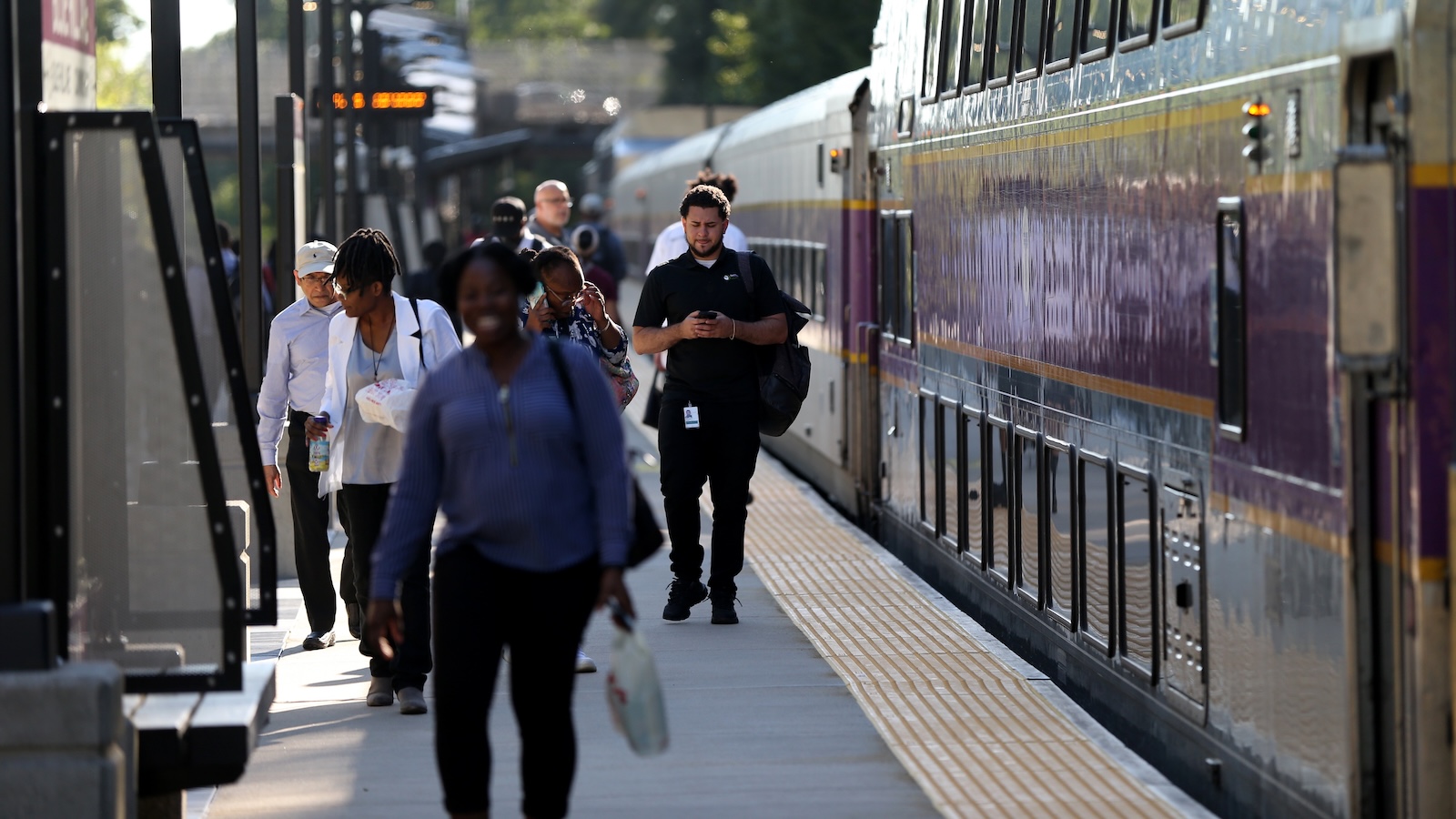
The Massachusetts Bay Transportation Authority (MBTA) has finalized a $765 million agreement to lease seven battery-powered trainsets from Swiss manufacturer Stadler. This move, slated for implementation by 2030, marks a significant turning point for the Fairmount Line, a 10-mile corridor that serves as a vital transit artery for Boston’s Dorchester and Mattapan neighborhoods. By replacing traditional diesel locomotives with battery-electric technology, the project aims to reduce annual carbon dioxide emissions by 17,700 tons while simultaneously increasing service frequency from 30-minute intervals to 20 minutes.
A Three-Decade Struggle for Equitable Transit
The impetus for this project traces back to the mid-1990s, when local community organizers began questioning the systemic inequities in Boston’s transit infrastructure. Marvin Martin, the former head of the advocacy group Action For Equity, famously observed that the Fairmount Line—then largely a bypass for suburban commuters—frequently traversed low-income communities of color without offering the benefit of accessible stops. For residents of the Four Corners area in Dorchester, the sight of passing trains contrasted sharply with their own reliance on overcrowded municipal bus lines.
In 1995, Martin and his colleagues launched a sustained campaign to compel the MBTA to integrate these neighborhoods into the rail system. The advocacy was grueling, spanning over 15 years before the agency finally opened three new stops in Dorchester in 2012 and 2013. A fourth stop in Mattapan followed in 2019. However, securing the stops was only the first phase; the subsequent goal became the complete decarbonization of the line. For Martin, the transition to electric rail is as much about public health as it is about convenience. "We want a train that would not be spewing a bunch of toxic particulates into the air," Martin stated, reflecting on the decades of diesel emissions that have burdened local residents.
The Technology of Battery-Electric Rail
The decision to utilize battery-powered trains, rather than traditional overhead catenary systems, represents a strategic compromise for the MBTA. While overhead wires are the global standard for high-capacity electrified rail, they require massive capital investment in infrastructure, including poles, wires, and substation upgrades. Battery-electric trainsets—often called BEMUs (Battery Electric Multiple Units)—allow transit agencies to bypass the complexity and cost of catenary installation while still achieving zero-emission operations.
The MBTA’s 15-year lease agreement with Stadler is designed as a pilot program. By utilizing these trains on the relatively short, 10-mile Fairmount route, the agency intends to gain operational experience with battery life, charging cycles, and performance reliability. This data will be critical in determining whether the technology can be scaled to the MBTA’s larger, longer-distance regional commuter lines.
National Context and Global Precedents
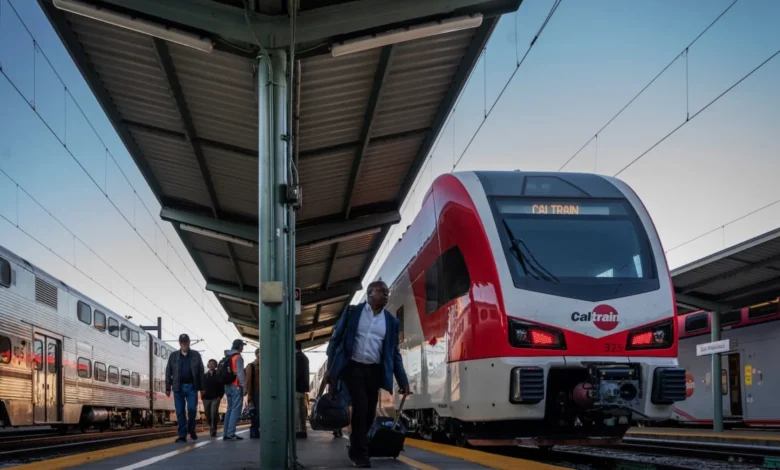
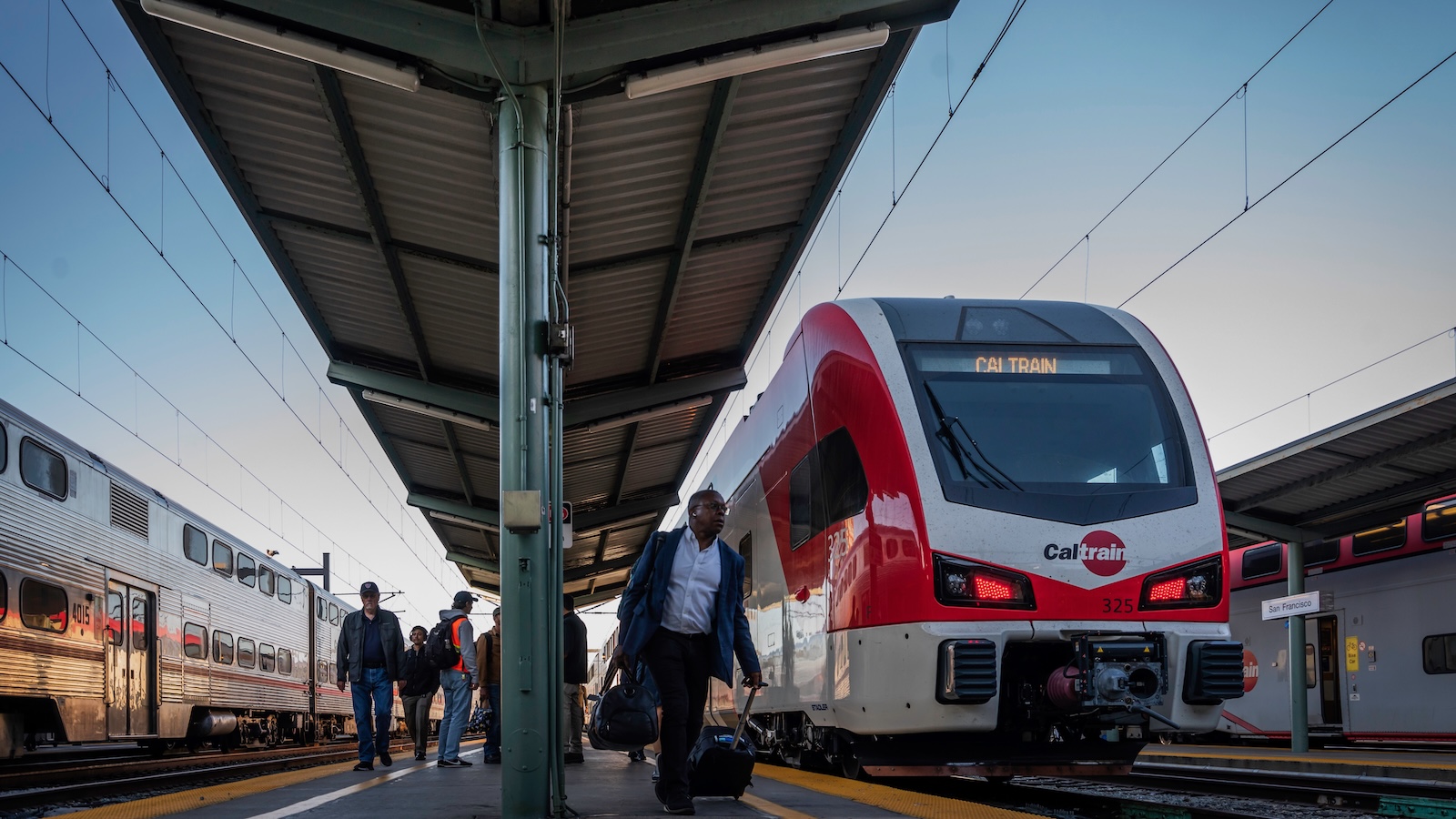
Boston is not acting in a vacuum. Other major U.S. transit agencies are currently evaluating similar technological leaps. In the San Francisco Bay Area, Caltrain is set to introduce battery-powered service by 2028, while Chicago’s Metra has also initiated programs to explore zero-emission rolling stock.
These projects reflect a broader, global shift toward sustainable rail. In Germany, for example, Alstom has successfully deployed battery-powered trains on a 50-mile route, serving approximately 2 million passengers annually. The economic argument for this transition has grown increasingly urgent; as the volatility of global diesel fuel prices persists, the operational savings of electric propulsion become a matter of fiscal responsibility. According to recent market analysis, diesel prices have seen significant spikes over the last 24 months, forcing transit operators to look toward stable, electricity-based power sources.
Historical Perspective: Electrification’s "Back to the Future"
While battery technology feels cutting-edge, the concept of electric rail in Boston is deeply rooted in the city’s history. Boston pioneered early electrical infrastructure, launching its first electric streetcar in 1889. The Tremont Street Subway, now a central segment of the MBTA Green Line, opened in 1897 as the first electric subway in North America.
Historian Albert Churella of Kennesaw State University notes that the early 20th century saw a flurry of electrification projects as cities sought to solve the problem of coal-smoke pollution in tunnels. However, the post-World War II era saw a dramatic reversal. As car culture expanded and suburbanization accelerated, railroads opted for the cheaper, more flexible diesel-electric locomotive, which required no specialized trackside infrastructure. For decades, the "diesel status quo" persisted, leaving the electrification of passenger rail largely on the sidelines of American infrastructure policy.
Data-Driven Benefits: The Caltrain Model
The recent success of Caltrain’s electrification project in California provides a compelling preview of what Boston might expect. In 2024, Caltrain replaced its aging diesel fleet with electric trainsets on its San Francisco-to-San Jose corridor. The results were immediate and quantifiable:
- Speed: Commute times dropped by up to 23% due to the superior acceleration capabilities of electric motors.
- Ridership: The agency reported a 60% increase in ridership, attributed to the smoother, quieter ride experience.
- Public Health: Environmental engineer Joshua Apte of UC Berkeley conducted a study on the project, finding an 89% reduction in rider exposure to black carbon—an air quality improvement that would have otherwise taken three decades of environmental regulation to achieve.
These figures suggest that the MBTA’s investment may yield benefits that extend far beyond simple carbon accounting, potentially fostering a significant shift in regional transit behavior.
Challenges and Skepticism
Despite the optimistic projections, the transition is not without its critics. Technical experts, including Chris Friend of the transit advocacy organization TransitMatters, have raised concerns regarding the scalability of battery technology. "So, is this the thing, or are we going to end up in another quagmire of an unproven technology?" Friend asked.
The primary challenge lies in the "duty cycle." While battery trains perform well on shorter, lower-frequency routes, they must prove they can handle the heavy, consistent ridership demands of an urban commuter system without requiring excessive charging downtime. The MBTA has attempted to mitigate this risk by diversifying its approach; the agency is also moving forward with catenary electrification on the Providence Line, ensuring that the system is not overly reliant on a single, emerging technology.
Looking Toward 2030
As the 2030 deadline approaches, the Fairmount Line is poised to become a living laboratory for the future of American public transit. The project represents a rare alignment of environmental policy, infrastructure modernization, and social equity.
For Marvin Martin, the progress is bittersweet but ultimately validating. He recognizes that the community still faces years of reliance on diesel engines before the transition is complete, and that the promise of the new trains will remain a "novel thing" until they are actually in operation. Yet, standing on the platform in Dorchester, he sees the arc of his life’s work bending toward a cleaner, more connected future. The successful electrification of the Fairmount Line will serve as a testament to the idea that, with enough persistence, local advocacy can redefine the trajectory of a major regional transit agency. As Martin puts it, the goal remains simple: "As long as we still get that train."