Supreme Court Confronts Climate Liability in High-Stakes Legal Battle Between Boulder and Big Oil

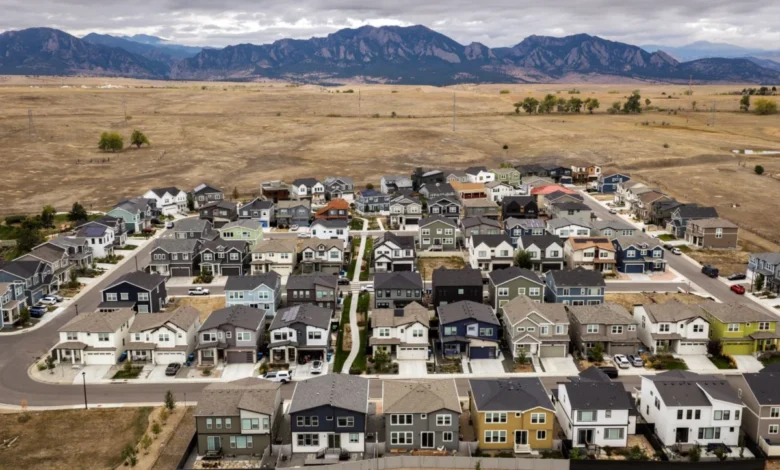
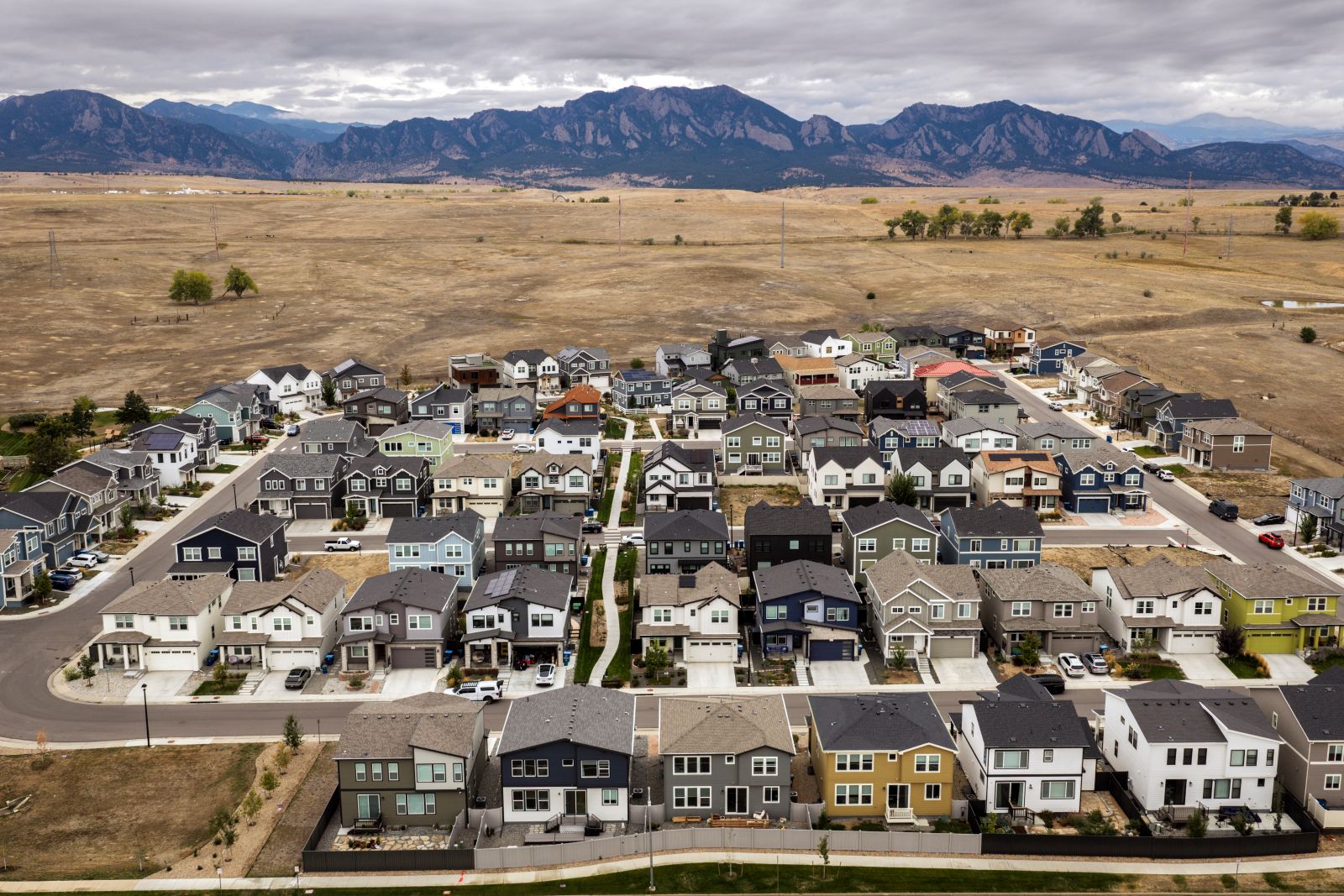
The Supreme Court commenced its 2026-2027 term on Monday by stepping directly into the center of a nationwide legal firestorm, hearing oral arguments in a pivotal climate change lawsuit brought by Boulder, Colorado, against energy giants ExxonMobil and Suncor. The case, which carries profound implications for the fossil fuel industry and the future of climate litigation, centers on whether local governments can utilize state courts to hold oil companies financially accountable for the mounting costs of a warming planet. With dozens of similar lawsuits pending across the United States, the Court’s eventual ruling could establish a definitive precedent, either opening the door for a wave of compensatory claims or effectively shielding the energy sector from a new frontier of liability.
The proceedings were marked by intense scrutiny from the bench, though the justices offered no immediate indication of a consensus. Over two hours of deliberation, the Court focused on the tension between the localized impacts of climate change and the global nature of the fossil fuel market. Justice Samuel Alito recused himself from the proceedings, leaving an eight-member panel to weigh the arguments. While the justices probed the technicalities of federal versus state jurisdiction, a prevailing theme emerged: the immense difficulty of assigning legal responsibility for the broad, cumulative consequences of global climate change.
A Chronology of Conflict
The legal struggle between local governments and oil companies is the culmination of years of escalating climate-related disasters. The timeline of this confrontation began in earnest following the surge of climate-linked catastrophes in the late 2010s and early 2020s.
- 2017–2019: Cities and counties, including those in California and Colorado, began filing lawsuits in state courts, arguing that fossil fuel companies knowingly deceived the public regarding the climate risks associated with their products.
- 2020–2023: Oil companies consistently fought to move these cases into federal court, hoping to leverage federal preemption arguments. During this period, appellate courts issued split rulings, creating a patchwork of legal standards.
- 2024–2025: The Supreme Court declined to intervene in several early petitions, allowing lower court rulings to persist. However, as the number of cases expanded to include dozens of municipalities—and as the financial stakes reached the multi-billion dollar threshold—the Court signaled it would eventually need to resolve the jurisdictional impasse.
- October 2026: The Court officially hears the Boulder case, marking the first time the justices have confronted the core merits of the "deception-based" liability theory in the context of global warming.
The Core of the Dispute
Boulder’s legal team, led by attorney Kevin Russell, posits that their claim is not an attempt to regulate global emissions, but a traditional tort action rooted in consumer protection. They argue that oil companies engaged in a decades-long campaign of misinformation, obscuring the climate risks of their products, which in turn prevented local governments from making informed infrastructure and emergency management decisions.
"This is not an effort to reduce emissions," Russell stated during the hearing. "Under our deception theory, they can continue to produce as much fossil fuel as they like and contribute to as much air pollution and greenhouse gas emissions as the market will bear when consumers are properly informed."
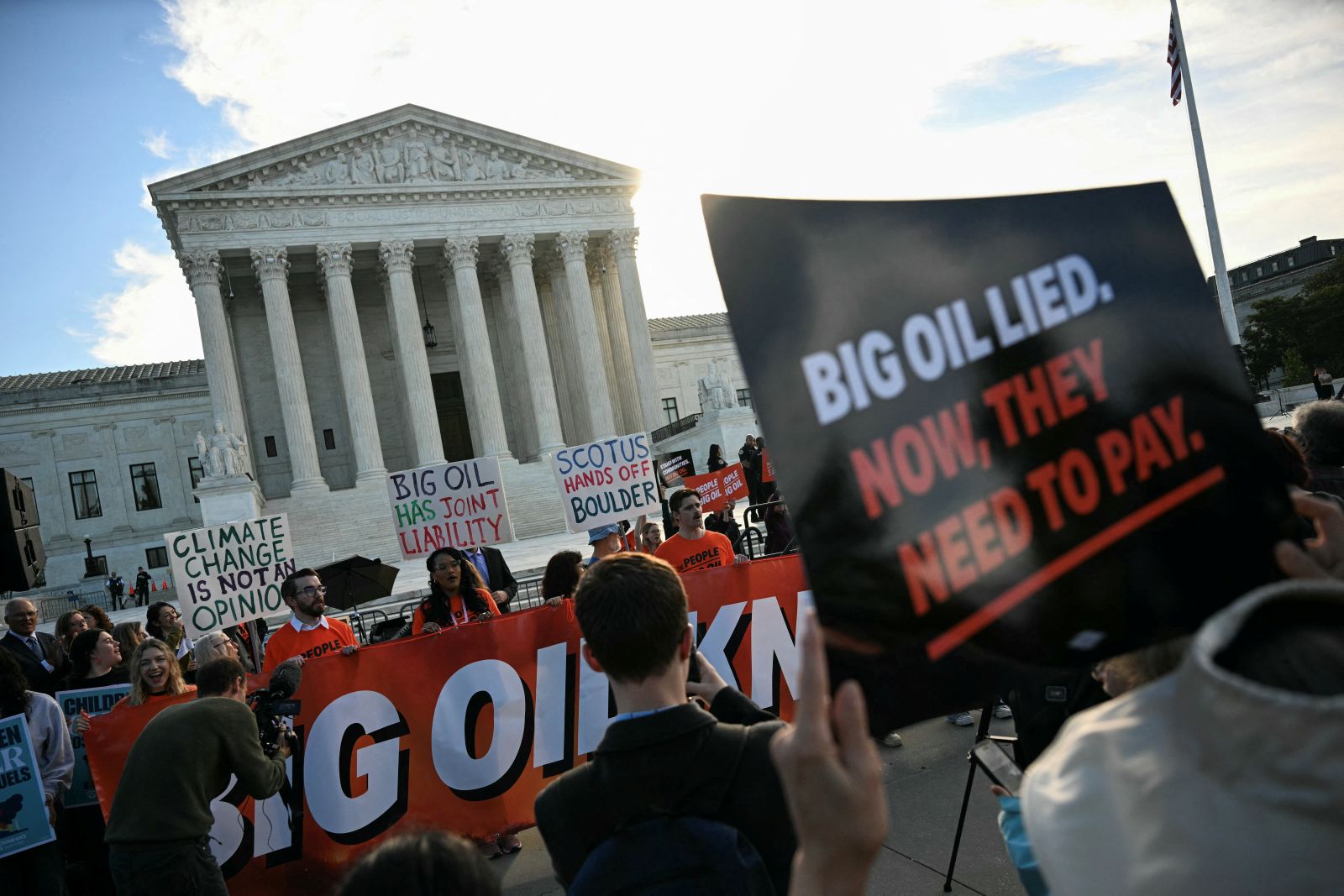
Conversely, the defense, led by Kannon Shanmugam, characterized the lawsuit as an unprecedented attempt by a single jurisdiction to exert control over global economic activity. The industry argues that climate change is a global phenomenon governed by international agreements and federal oversight, not by individual state nuisance laws. They contend that if Boulder were to succeed, it would create a chaotic legal environment where any city could sue for the global costs of climate change, potentially bankrupting firms that provide a critical global commodity.
The Tobacco Precedent and Economic Anxiety
A significant portion of the debate mirrored the legal strategies seen during the 1990s tobacco litigation. Justice Elena Kagan drew direct comparisons between the current climate suits and the Master Settlement Agreement, where states successfully sued tobacco manufacturers for healthcare costs associated with smoking. In that instance, the court system forced manufacturers to internalize the public health costs of their products rather than mandating a halt to production.
However, the conservative wing of the Court appeared skeptical of this analogy. Justice Brett Kavanaugh expressed alarm at the potential scale of the financial impact. He suggested that such lawsuits could effectively function as a "backdoor" regulation of energy policy, noting that the economic consequences for the oil and gas sector could be catastrophic. Throughout the hearing, industry representatives reinforced the idea that the liability risks represent an existential threat to the companies, emphasizing that they are already under pressure from shareholders to manage these contingent liabilities.
Supporting Data and Environmental Realities
The context of the litigation is reinforced by the increasing economic burden on local governments. According to recent climate impact assessments, the costs of disaster recovery, infrastructure adaptation, and cooling initiatives have risen exponentially for municipalities. In Colorado, the aftermath of the Marshall Fire—a disaster exacerbated by drought and wind patterns linked to climate change—has served as a focal point for the city’s arguments.
Data from the National Oceanic and Atmospheric Administration (NOAA) indicates that the frequency of "billion-dollar disasters" in the U.S. has tripled since the 1980s. While these disasters are multi-causal, local governments increasingly argue that the climate-altering emissions of major oil companies are a proximate cause of the severity and frequency of these events. Plaintiffs contend that without the deceptive marketing campaigns of the 20th century, the energy transition would have occurred sooner, mitigating the current level of climate risk.
Broader Implications for Global Regulation
The legal community is closely watching how the Court’s eventual opinion will categorize the case. If the justices rule that these claims are "preempted" by federal law, it would effectively kill most, if not all, pending climate lawsuits. If they allow the case to proceed in state court, it could embolden thousands of other local governments to pursue similar litigation, potentially forcing a massive shift in how the energy industry accounts for climate-related damages.
Erika Kranz, an attorney with Harvard Law School’s environmental and energy law program, noted that the Court’s decision is likely to be nuanced. "The justices are clearly looking for a way to address the overreach they fear, while also acknowledging the reality of the damages these communities are facing," Kranz said. "The question is whether they can find a narrow legal off-ramp or if they will issue a broad ruling that significantly alters the landscape of environmental tort law."
Institutional Responses
The energy sector remains steadfast in its defense, arguing that the judicial system is ill-equipped to manage global climate policy. "This case involves an unprecedented effort to use state law to regulate global conduct," Shanmugam argued, warning that if the Court does not provide a clear, limiting principle, the result will be a decades-long cycle of litigation that serves no productive purpose.
Conversely, environmental advocates and municipal leaders argue that the courts are the final recourse for communities bearing the physical and financial brunt of a warming climate. Chris Winter, of the University of Colorado Law School, suggested that the industry’s focus on the "chaos" of potential lawsuits is a strategic attempt to distract from the core issue of accountability. "There is a massive amount of corporate concern regarding the financial exposure here," Winter observed. "The strategy from the defense is to frame this as an attack on the energy industry itself, rather than an effort to ensure companies pay for the harm caused by their specific historical actions."
As the term progresses, the Court’s internal deliberations will likely focus on finding a path that balances the principle of federal supremacy with the rights of localities to seek justice in the face of environmental decline. For now, the case of Boulder v. ExxonMobil and Suncor stands as the definitive test of whether the American legal system will treat climate change as a manageable tort or an untouchable global problem. With a ruling not expected for several months, both the energy industry and local governments remain in a state of high-stakes anticipation.
Related posts: