Nebraska Faces a Growing Crisis as Rising Nighttime Temperatures Threaten Public Health and Agriculture

The traditional image of a Nebraska summer—defined by sweltering days that give way to crisp, breezy evenings—is fading into a relic of the past. As global climate patterns shift, the state is grappling with a phenomenon that meteorologists and public health officials increasingly identify as a critical, if often overlooked, threat: the dramatic rise in nighttime minimum temperatures. This trend, which sees mercury levels failing to drop significantly after sunset, is creating a compounding stressor for the state’s most vulnerable populations, its critical energy infrastructure, and its multibillion-dollar agricultural sector.
During a heat wave in early September, when daytime temperatures soared into the mid-90s, the Salvation Army’s North Corps Community Center in Omaha became a vital sanctuary. For residents like Pat Wilson-Johnson, who has spent her life in the city, the experience of recent summers has been jarring. "Nine o’clock at night, it’s still 90, 91 degrees," Wilson-Johnson noted while seeking respite in the center’s cooling station. "That’s not right." Her memory of opening windows to invite in a cool evening breeze has been replaced by the reality of letting in humid, stifling air that offers no relief from the day’s heat.
A Shifting Climate Baseline
The meteorological data supports the lived experience of residents. Eric Hunt, an agriculture meteorology and climate resilience extension educator at the University of Nebraska-Lincoln, notes that minimum temperatures in Nebraska are trending upward. Projections for the coming decades suggest that Nebraska nights could increasingly resemble the typical nocturnal heat of southeast Kansas or southern Missouri, with lows frequently lingering in the low 70s.
This is not merely a matter of comfort. Heat-related illness remains the leading cause of weather-related mortality in the United States. When nighttime temperatures remain high, the human body is denied the essential physiological "reset" required to recover from daytime heat exposure. Without a cool-down period, the cardiovascular, respiratory, and renal systems remain under constant, elevated stress.
Dr. Jesse Bell, director of the University of Nebraska Medical Center’s water, climate, and health program, explains that this burden is unevenly distributed. "These high minimum temperatures don’t affect everyone equally," Bell stated. "The elderly, individuals with chronic health conditions, those on specific medications, student athletes, and outdoor laborers are at a heightened risk." For the unhoused population, the situation is particularly dire. Organizations like the Siena Francis House have implemented robust protocols to provide outreach, hydration, and medical support, but as Kristy McKern, director of case management and permanent supportive housing, points out, the lack of basic essentials makes the simple act of surviving a hot night a significant challenge.
The Hidden Toll of Sleep Loss and Energy Strain
Beyond physical health, the persistent heat is affecting the economic and social fabric of Nebraska. A report organized by Climate Central highlights a quiet crisis: sleep deprivation. Residents in Omaha and Lincoln have lost an estimated 30 hours of sleep annually between 2020 and 2025 due to elevated temperatures, with a notable portion of that loss directly attributable to climate-induced warming.
This sleeplessness translates into broader systemic pressures. As nighttime temperatures climb, air conditioning units that would typically cycle off or run at lower capacity are forced to operate continuously. This drives up residential energy costs, placing a disproportionate financial burden on low-income households and those living in poorly insulated, aging housing stock.
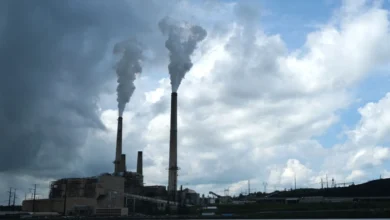
Utility providers are also feeling the strain. According to the U.S. Energy Information Administration, air conditioning accounts for a significant percentage of total electricity demand. Peak demand typically hits in the late afternoon, but the new reality of "all-day, all-night" cooling demand creates a prolonged peak that taxes the electrical grid. As utilities struggle to manage this increased load—often compounded by the high energy requirements of the state’s growing data center industry—some providers have opted to keep coal-fired power plants online longer than planned to ensure grid reliability, inadvertently creating a feedback loop of carbon emissions that exacerbates the very climate warming driving the demand.
Agricultural Implications: A Threat to Nebraska’s Economic Engine
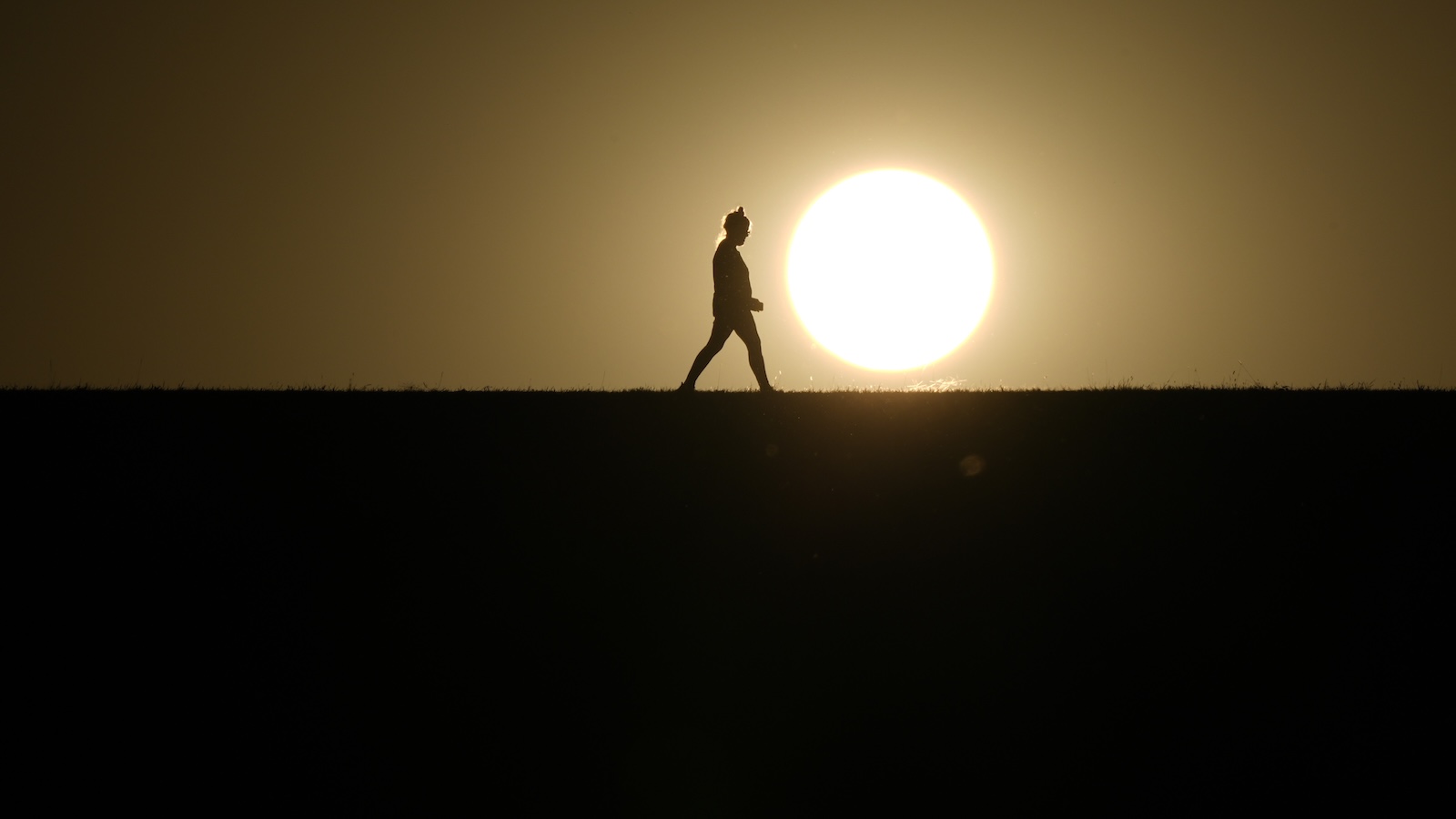
Nebraska’s agricultural industry, the bedrock of the state’s economy, faces a unique set of challenges from these rising nighttime temperatures. Corn and soybeans—the state’s primary commodities—rely on specific temperature cycles to maximize growth.
"Higher nighttime temperatures mean that these crops use more energy for respiration instead of storing it as biomass," explains George Graef, a professor of agronomy and horticulture at UNL. For soybeans, the result can be smaller seeds and reduced overall yields. For corn, the impact is even more pronounced; excessive heat in late summer and early fall causes the crops to "shut down," effectively cutting short the grain-filling period.
The secondary effects are equally concerning. Farmers are facing increased pressure from pathogens. Humidity and heat create the ideal environment for fungi and bacteria to thrive on corn stalks, potentially necessitating higher applications of chemical fungicides. Furthermore, the persistent heat, when combined with periods of drought, places an immense strain on groundwater reserves. As irrigation systems run longer to compensate for the heat, the state’s aquifers are tapped at an accelerated rate.
Adaptation efforts are underway, but there are physical and biological limits. While the corn industry has successfully utilized genetic modification and improved management practices to tolerate higher heat over the last three decades, experts are cautious about the future. Tom Hoegemeyer, a retired UNL agronomy professor, warns that while current technology has kept pace, the projections for 2100 present a scenario where traditional breeding may no longer be sufficient to counter the environmental shifts. "There are limits to what we can do with genetics and technology," Hoegemeyer noted.
Livestock and the Infrastructure of Resilience
The challenge extends to the livestock sector, where cattle, pigs, and poultry are increasingly susceptible to heat stress. Rick Stowell, a professor and animal environment extension specialist at UNL, points out that high-producing, mature animals—such as dairy cows and heavy cattle—are particularly vulnerable because they generate significant internal body heat.
Producers across eastern and central Nebraska are responding by investing in infrastructure. The rise in the use of shade structures in feedlots, the installation of sophisticated ventilation systems, and the implementation of water-sprinkling protocols are becoming standard practice. These adaptations, while effective, represent a significant capital investment for producers who are already operating on thin margins.
"Most livestock and poultry producers are well aware that the situation is getting more challenging," Stowell said. The industry’s ability to adapt will likely dictate the long-term viability of meat production in the region.
A Policy Pivot
The response to this trend remains fragmented. While some cities, such as Lincoln, have begun to integrate nighttime temperature data into their extreme heat response plans, the development of 24-hour cooling infrastructure is in its infancy. Currently, many areas lack the resources to maintain overnight cooling centers, leaving vulnerable residents with few options when the sun goes down.
As Nebraska navigates this new climate reality, the need for a coordinated approach—spanning public health, urban planning, energy policy, and agricultural research—becomes increasingly clear. The era of relying on the natural cooling of the Great Plains night appears to be ending, requiring the state to build a more resilient infrastructure that can withstand a future defined by warmer nights and longer periods of thermal stress. The investments made today, from weatherizing low-income housing to developing heat-resilient crop variants and upgrading the power grid, will determine whether Nebraska can sustain its standard of living and its economic prosperity in a rapidly warming world.