Unlikely Allies: Colorado Ranchers Join the Legal Fight to Hold Big Oil Accountable for Climate Damages

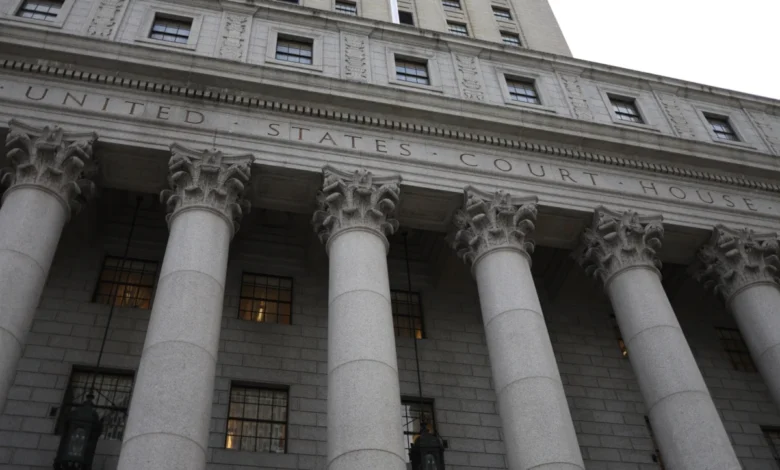
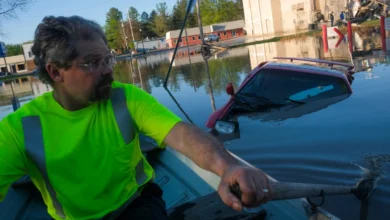
The Supreme Court of the United States is poised to hear oral arguments this Monday in a pivotal case that could determine whether fossil fuel giants like Suncor and Exxon Mobil will finally face trial for their alleged roles in exacerbating climate change. The litigation, initiated by the city and county of Boulder, Colorado, seeks to recover the mounting costs associated with climate adaptation—specifically the financial burden of managing heat waves, catastrophic wildfires, and systemic flooding. What began as a local government effort has evolved into a national bellwether for climate accountability, drawing in unexpected participants, including a cohort of Colorado ranchers who argue that the fossil fuel industry’s operations are directly threatening the viability of the American agricultural sector.
The legal battle arrives at a precarious time for the judiciary. With a conservative-majority court and the historic intervention of industry-aligned interests, the stakes extend far beyond the specific financial damages sought by Boulder. At its core, the Supreme Court must decide whether the judiciary should intervene in a case that has yet to reach trial in a state court, or whether, as the defendants argue, federal law provides an absolute shield against such state-level liability.
A Chronology of the Boulder Litigation
The legal struggle between Colorado municipalities and energy corporations is the result of years of procedural maneuvering. The timeline of this conflict highlights the persistence of both the plaintiffs and the defendants:
- 2018: The city and county of Boulder, along with San Miguel County, file a landmark lawsuit against Suncor and Exxon Mobil. The plaintiffs allege that these companies knew of the catastrophic risks associated with their products and deliberately deceived the public while continuing to maximize production.
- 2018–2024: The case undergoes a series of procedural battles. Oil companies repeatedly attempt to move the litigation to federal courts, where they historically face a more favorable legal environment regarding the Clean Air Act and federal preemption.
- May 2025: The Colorado Supreme Court issues a definitive ruling, declaring that the case is a matter of state law and should proceed in state court, effectively rejecting the industry’s attempt to bypass local jurisdiction.
- Late 2025–Early 2026: Sensing a loss of control, the energy companies appeal to the U.S. Supreme Court. Rio Blanco County and other industry-aligned municipalities file amicus briefs supporting the oil majors, utilizing thousands of taxpayer dollars in legal fees.
- August 2026: Deirdre Macnab, a Colorado rancher, rallies a group of agricultural producers to file a counter-brief, urging the Supreme Court to allow the case to proceed.
- September 2026: Justice Samuel Alito recuses himself from the proceedings due to financial holdings in the energy sector, shifting the internal math of the court just days before oral arguments.
The Economic Reality on the Range
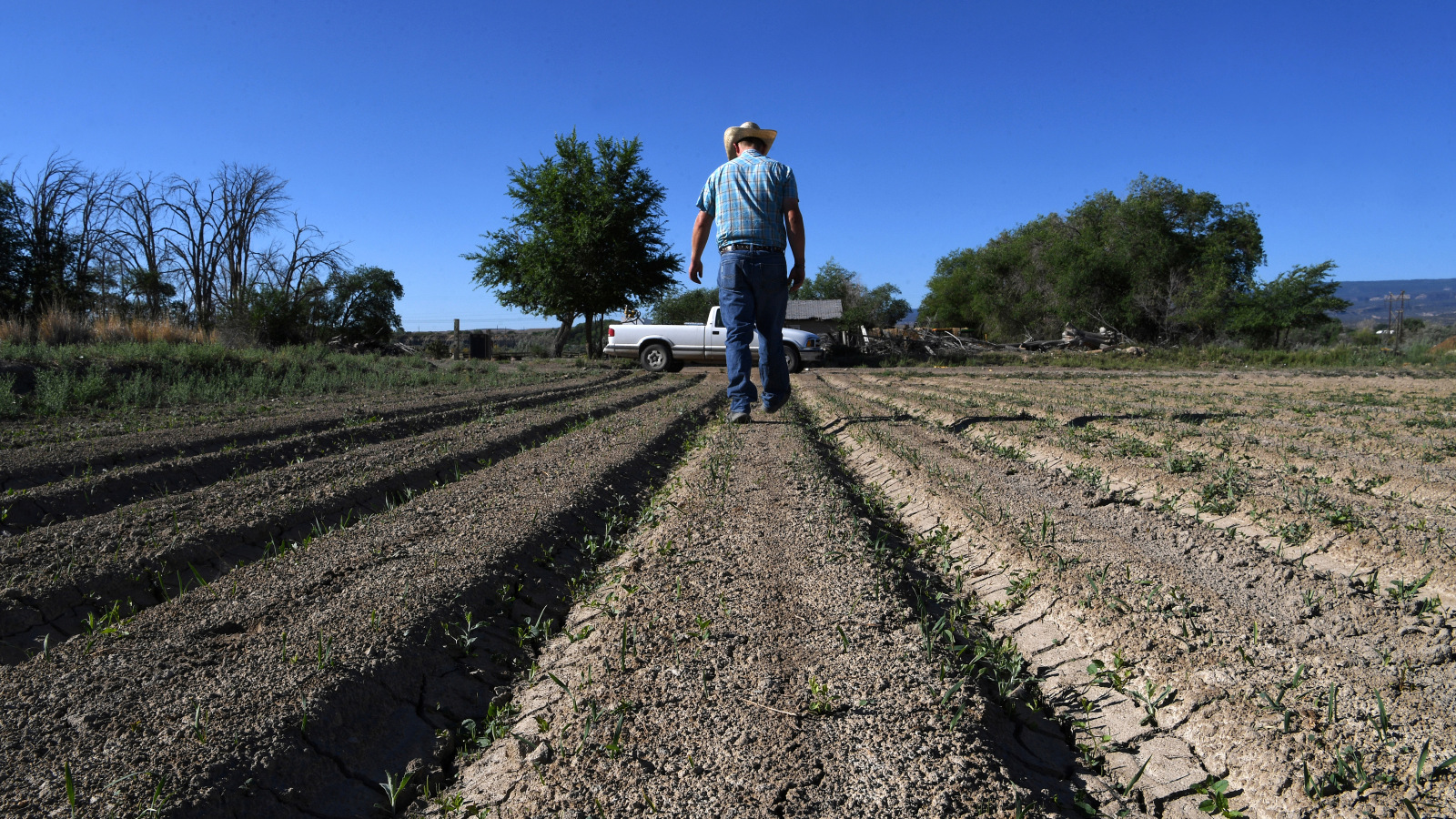
For Deirdre Macnab and her neighbors in Rio Blanco County, the impacts of a warming planet are not theoretical. The 2025 wildfire season in Colorado, one of the most destructive in state history, served as a grim catalyst for her activism. The loss of livestock—including the death of 60 cattle belonging to a single neighbor—was only the beginning. Record-breaking drought conditions have forced ranchers into a cycle of insolvency. The cost of hauling water and importing feed, necessitated by the failure of local pastures, has pushed many multi-generational operations toward bankruptcy or forced liquidation.
Macnab’s opposition to her own county government’s stance stems from this lived experience. By supporting the oil companies, Rio Blanco County leadership prioritized the industry’s legal immunity over the economic survival of its own tax-paying farmers. The ranchers’ brief submitted to the Supreme Court highlights a critical reality: local governments cannot continue to provide the infrastructure, disaster relief, and emergency services required to keep the agricultural sector afloat if the very entities contributing to these disasters are shielded from paying their fair share of the recovery costs.
The Legal Framework and Industry Strategy
The oil industry’s defense is built on a two-pronged strategy. First, they argue that the Clean Air Act and other federal statutes preclude state-level lawsuits, essentially claiming that only federal agencies have the authority to regulate carbon emissions. Second, they contend that the judiciary is an inappropriate venue for policy-making, arguing that climate change is a global phenomenon that cannot be adjudicated through tort law.
However, legal scholars suggest this defense is weakening. Professor Alejandro Camacho of the UCLA School of Law notes that the companies are increasingly abandoning their original reliance on the Clean Air Act as their arguments have failed to hold weight in lower courts. Instead, they are pivoting toward broader, more abstract arguments regarding the limits of state power.
The industry’s influence is undeniably expansive. Research conducted by Consumer Watchdog indicates that nearly 66% of the amicus briefs filed in support of Exxon and Suncor originate from organizations with deep financial ties to the fossil fuel industry or think tanks dedicated to opposing climate regulation. This creates a stark partisan divide, with Republican-led states generally aligning with the industry, while Democratic-led regions and environmental advocates support Boulder.
An Unlikely Bipartisan Shift
The case is not entirely defined by partisan lines. A growing number of conservative legal thinkers are beginning to question the industry’s position. Jonathan Adler, a professor at the William & Mary Law School, has argued that there is no clear constitutional basis for preventing these lawsuits from moving forward in state courts. He notes that if an entity has caused documented harm, the traditional common law principle of seeking redress in court should remain inviolate.
This shift is echoed in Louisiana, where coastal parishes—traditionally conservative—are suing oil companies to recoup the costs of restoring land lost to sea-level rise and industrial activity. The common denominator among these disparate groups is the financial pain of climate-related disaster. As the costs of adaptation reach billions of dollars, local jurisdictions are finding that the fiscal burden is increasingly unsustainable.
Broader Implications for Global Accountability
The outcome of the Supreme Court’s decision will have long-reaching consequences. If the court decides that the case can proceed, it will open the door for a wave of litigation across the United States. Such trials would force companies to disclose internal documents regarding their historical knowledge of climate risks, potentially mirroring the transparency achieved in the 1990s tobacco litigation.
Conversely, a ruling in favor of the oil companies would effectively provide a "get out of jail free" card for the industry, potentially ending the viability of climate tort lawsuits nationwide. It would solidify the argument that corporations are shielded from state-level liability for climate-related damages, regardless of the severity of the local impact.
As Justice Alito’s recusal leaves the court without one of its most staunchly pro-industry voices, the narrowest of margins may decide the case. The question before the justices is not merely about environmental policy; it is about the fundamental function of the American legal system in holding powerful actors accountable for externalities that threaten the public interest.
For Macnab and her colleagues, the goal is simple: a seat at the table. "Until they’re held responsible for the consequences that they have known about for decades, they are not going to be part of the solution," she stated. As the Supreme Court prepares to hear the arguments, the case of Boulder v. Suncor and Exxon Mobil stands as a test of whether the American legal system can adapt to the realities of a changing world, or if the economic protections afforded to the fossil fuel industry will outweigh the survival of the communities they have, in the eyes of the plaintiffs, left in their wake.