Illinois Faces Mounting Pressure as Its Pioneering Climate Displacement Task Force Stalls Amid Growing Global Migration Crisis

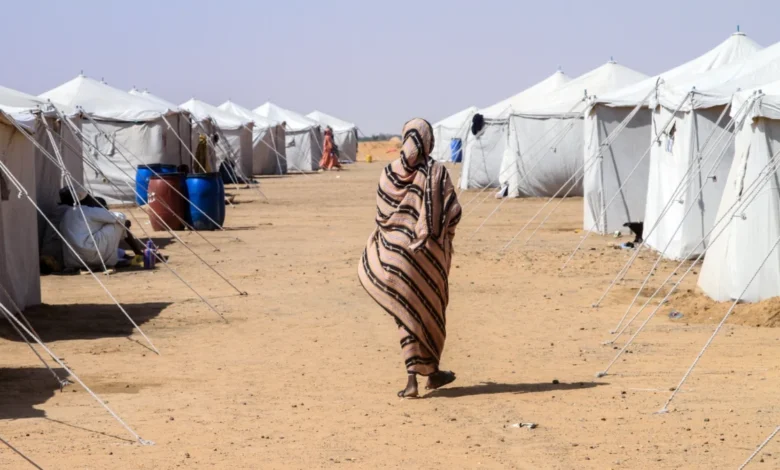
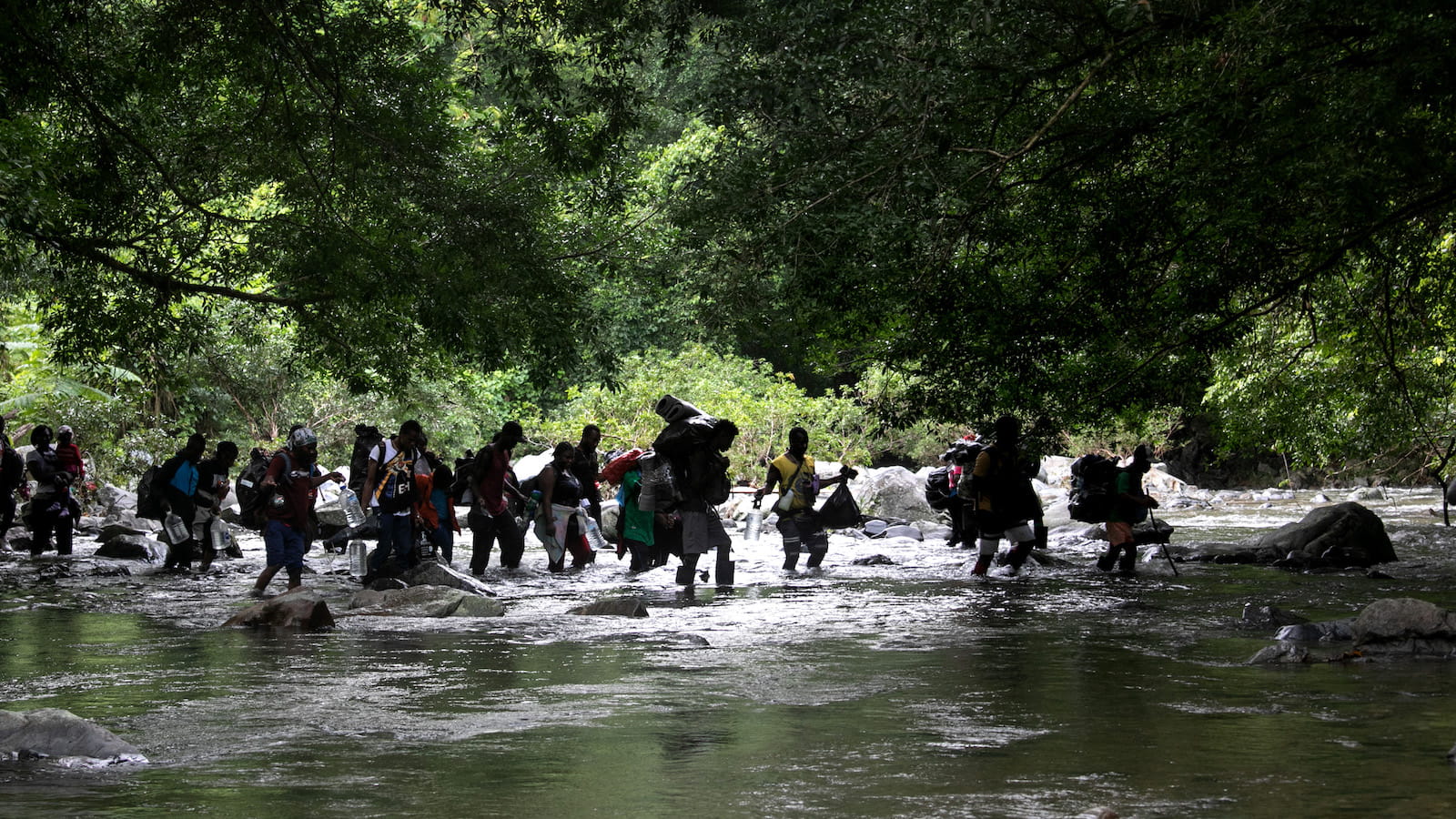
Every year, millions of people across the globe are uprooted from their ancestral homes by the intensifying frequency of climate-driven disasters. From the devastating floods that submerge coastal villages to the relentless droughts that turn fertile land into dust, the environmental landscape is shifting at an unprecedented pace. These individuals, commonly classified as climate migrants, navigate a precarious existence, often lacking specific legal protections under international law. While the majority of these displaced populations move within their own national borders, a significant and growing number seek refuge in foreign lands. As the planet warms, this demographic shift is projected to accelerate, creating a "planetary churn" that experts estimate could displace at least 44 million people internally by 2050—a figure equivalent to relocating the entire population of Argentina.
Despite the gravity of these projections, state-level policy planning remains dangerously thin. Last autumn, Illinois sought to distinguish itself as a forward-thinking leader by signing the Climate Displacement Act. This groundbreaking legislation marked the first time any state in the U.S. attempted to systematically anticipate how climate-driven migration would fundamentally reshape its infrastructure, social resources, and community demographics. The law mandated the creation of a specialized task force tasked with producing two comprehensive reports over the coming year to outline the state’s capacity to absorb these populations through 2050. However, just one year after the initiative was launched, the momentum has ground to a halt.

A Stalled Legislative Mandate
The implementation of the Climate Displacement Act has been characterized by bureaucratic inertia. Although the law required the governor, top state lawmakers, and heads of various state agencies to appoint members to the 17-seat task force within 90 days of the act taking effect, the process has languished. For over a year, only a single appointment was confirmed. This delay has pushed back critical reporting deadlines, leaving the state without a strategy as the first report—originally due this December—remains unwritten.
The legislative intent behind the act was to create a blueprint for the nation. By assessing how Illinois’s vast freshwater reserves, agricultural stability, and robust urban infrastructure might serve as a beacon for those fleeing disaster-prone regions, proponents hoped to transform the state into a model of resilience. Yet, the current reality stands in stark contrast to that ambition. Investigations into the lack of progress have revealed that, aside from the governor’s office, the primary stakeholders—including multiple members of the Illinois General Assembly and heads of seven state agencies—have remained largely silent on the issue of appointments.
State Senator Graciela Guzman, the Chicago Democrat who introduced the legislation, was finally appointed to the board only recently. Reflecting on the delay, Guzman noted that the lack of urgency from state officials is particularly concerning given that the bill was two years in the making. While the governor’s office has publicly reaffirmed its commitment to the cause, stating that they are working with stakeholders to establish a new timeline, they have failed to provide a concrete date for when the task force will be fully assembled or when the mandated reports will be completed.
The Myth and Reality of the Climate Haven
The push for this legislation was spurred by the growing popularity of the "climate haven" narrative. Because of its inland location, relative immunity to sea-level rise, and proximity to 20 percent of the world’s surface freshwater, Illinois—and Chicago in particular—is frequently cited by urban planners and real estate analysts as a prime destination for future climate migration. An analysis by the climate-risk modeling firm AlphaGeo recently ranked Chicago as the most climate-resilient large city globally, citing its existing infrastructure as a key asset.
However, environmental scientists and policy experts have cautioned against the "climate haven" label. The consensus among researchers is that there is no such thing as a truly climate-proof region. The interconnected nature of the global climate means that atmospheric shifts trigger cascading effects everywhere. Recent history in Illinois serves as a sobering reminder: this past year, the state dealt with record-breaking tornado activity, extreme heat waves that persisted well into the autumn, and historic flooding that pushed the Chicago deep tunnel and reservoir system to the brink of failure. Furthermore, the 2023 wildfire season brought smoke that blanketed the Midwest, causing air quality to plummet to hazardous levels for days.
These events serve as a poignant reminder that while Illinois may be safer than some coastal regions, it is not immune to the pressures of a changing climate. As Senator Guzman noted, these events have "laid bare" the necessity of the task force’s mission. The goal of the legislation was not merely to prepare for an influx of people, but to proactively improve housing, healthcare, and job programs for both existing and future residents.
Comparative Policy Landscapes
While Illinois struggles to move forward, other regions are beginning to acknowledge the necessity of relocation planning, albeit with varying levels of success. In Maine, the state has integrated climate migration into its broader statewide resilience planning. Meanwhile, in coastal states like California, Hawaii, and New Jersey, legislators have introduced bills focused on protecting communities from sea-level rise and implementing property buyouts for those in high-risk zones.
Alaska has taken a more direct approach, passing legislation to assist the low-lying coastal communities of Kipnuk and Kwigillingok in relocating following the devastation caused by Typhoon Halong. At the municipal level, Cincinnati has emerged as an unexpected leader, publishing a comprehensive climate migration readiness plan. The city’s strategy does not frame Cincinnati as an invulnerable refuge, but rather as a city that must improve its own public transportation and affordable housing stocks to effectively support a potential influx of 500,000 new residents by 2050.
The Legal and Scientific Challenge
The inertia in Illinois is also symptomatic of a broader, deeper problem: the lack of a standardized legal framework for climate migration. The term "climate migrant" remains a social and scientific descriptor rather than a legal one. The 1951 Refugee Convention, which dictates the standards for international asylum, limits the definition of a refugee to those fleeing persecution based on race, religion, nationality, or political opinion. Climate-driven displacement—whether caused by the slow degradation of land or acute disasters—is not currently covered under this framework.

Beyond the legal vacuum, there is the technical complexity of modeling future human migration. Migration is rarely a mono-causal phenomenon; it is a synthesis of economic, social, and environmental pressures. Predicting how climate change will influence these variables requires immense data sets and sophisticated modeling. Byran Jones, a geographer at Baruch College who has consulted on major displacement reports, suggests that while the task is daunting, it is not impossible. He argues that Illinois has a unique opportunity to lead by identifying the state’s specific strengths—such as its agricultural output—and modeling how those assets will interact with changing migration patterns.
The Path Forward
The failure to meet the mandate of the Climate Displacement Act carries significant implications. Without a state-sponsored roadmap, Illinois risks being caught unprepared for the social and economic shifts that a climate-driven migration could bring. The absence of consequences for failing to meet the law’s deadlines has contributed to the current paralysis, suggesting that without greater political accountability, the initiative may continue to drift.
The work of preparing for a changing climate is inherently long-term, requiring sustained political will that often outlasts individual legislative sessions. For Illinois, the task is to move beyond the "haven" rhetoric and focus on the practical, gritty work of urban planning and resource allocation. As climate events grow more frequent and severe, the window for proactive preparation is narrowing. The state’s ability to successfully assemble its task force and produce actionable data will serve as an essential litmus test for whether regional governments in the United States are capable of navigating the defining challenge of the 21st century. For now, the promise of the Climate Displacement Act remains largely unfulfilled, a cautionary tale of how even the most forward-thinking policy can be sidelined by a lack of follow-through.