Voter Priorities and Political Landscapes Shift as Nation Looks Ahead to the 2028 Presidential Race Following Midterm Elections

The conclusion of the midterm elections has immediately pivoted the nation’s political focus toward the impending 2028 race for the White House, revealing a complex electorate sharply divided over economic anxieties, technological disruption, and the enduring shadow of former President Donald Trump. A comprehensive national study conducted by Fox News and NORC surveyed 113,020 registered voters between October 26 and November 3, capturing a panoramic view of an American public grappling with cost-of-living pressures, rapid technological innovation, and deeply entrenched partisan viewpoints regarding the future governance of the country.
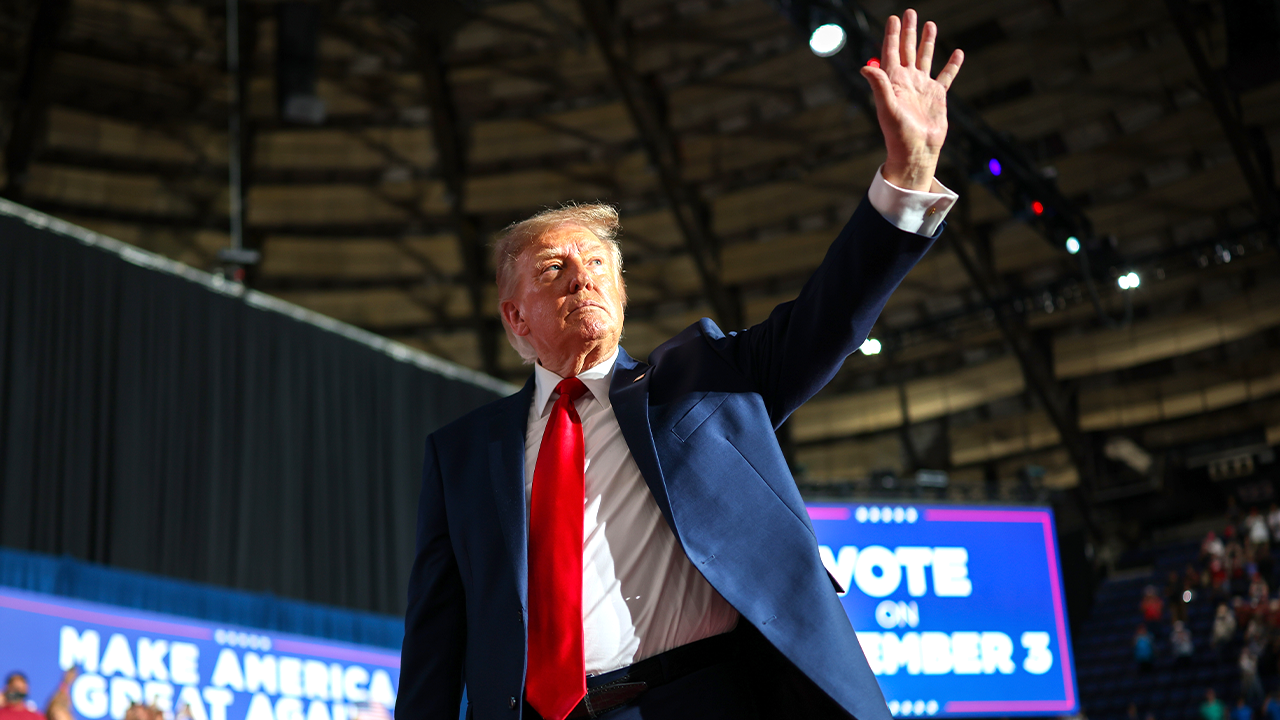
The 2028 Landscape and the Trump Legacy
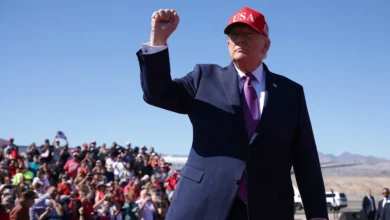
As political strategists begin mapping out the path to the 2028 presidential election, the question of Donald Trump’s lasting influence remains a defining fault line within the Republican Party and across the broader electorate. The data highlights a distinct divergence in how different factions within the conservative movement view the future. Approximately four in ten MAGA Republicans desire a successor who emulates both Trump’s populist policies and his distinct political style. Meanwhile, roughly half of this base prefers a candidate who adopts his policy agenda while potentially altering the delivery.
Non-MAGA Republicans exhibit a more restrained enthusiasm. While 45 percent of this group wish to see Trump’s policies carried forward by the next administration, only 15 percent express a desire for a president who mirrors his confrontational style. In stark contrast, the opposition remains resolute: six in ten independent voters, alongside overwhelming majorities of Democrats, favor a decisive break from both Trumpian policies and rhetoric. Overall, across the entire national electorate, 26 percent of voters hope a future president continues his policies, 12 percent want both policies and style replicated, and half of the country prefers a clean break from both elements entirely, setting the stage for a fiercely contested primary season within the GOP and a referendum-style general election.

Economic Realities Dictate Voter Anxiety
Beneath the high-profile debates over political style and institutional reform lies a foundational concern: the economy. Across all party lines, registered voters overwhelmingly point to improving economic conditions as the single most critical issue facing the United States over the next half-decade. Despite broader macroeconomic indicators, personal financial sentiment among citizens remains cautious. Six in ten voters report that they are currently holding steady financially, while approximately three in ten feel they are actively falling behind. A meager 10 percent believe they are getting ahead.
This financial footing directly correlates with how voters view the broader trajectory of the nation. Among those who feel they are advancing economically, roughly two-thirds express optimism regarding the future, believing the country’s best days are still ahead. Conversely, among the demographic cohort reporting financial regression, two-thirds maintain a pessimistic outlook, convinced that America’s peak years belong to the past. This financial divide fuels an intense urgency for newly elected officials to deliver immediate relief. When queried about legislative priorities for the immediate term following the midterms, three in ten voters prioritized curbing soaring grocery costs. Gasoline prices, healthcare expenses, and prescription drug costs each captured the urgent focus of roughly two in ten respondents, while housing, electricity, and utility expenses rounded out the top fiscal anxieties.

Technological Disruption and the AI Boom
In addition to traditional economic pressures, the rapid expansion of artificial intelligence and the proliferation of massive AI data centers have emerged as major domestic policy flashpoints. Public sentiment regarding AI over the coming decade is deeply polarized. Approximately four in ten voters anticipate that artificial intelligence will exert a harmful influence on the United States, while three in ten foresee net positive benefits. Skepticism is particularly pronounced regarding AI’s secondary impacts, with roughly four in ten respondents predicting negative consequences for both environmental health and the creative arts and entertainment industries.
This technological anxiety manifests acutely at the local level, where data center construction projects have sparked community pushback. Six in ten voters express high levels of concern regarding the impact of these energy-intensive facilities on local utility prices. Furthermore, about half of the surveyed population worries about environmental degradation, land development pressures, and public health risks associated with data centers, regardless of whether such facilities are currently situated in their immediate neighborhoods.

Partisan divides on AI are nuanced: while Republican voters, particularly within the MAGA wing, tend to view AI more favorably as a tool for economic competitiveness, Democrats express greater apprehension regarding environmental and societal risks. Nevertheless, a bipartisan consensus unites voters on regulatory guardrails. Large majorities across party lines support forcing private tech corporations to finance necessary electrical grid upgrades, increasing federal oversight of AI technologies, and restricting the use of AI tools within K-12 and higher education institutions.
Evolving Demands for Institutional Reform
The political turbulence of recent election cycles has left a lasting imprint on public attitudes toward the structure of American governance. Roughly half of all voters express a desire for substantial changes in how the country is run, though party affiliation heavily dictates which branches of government are targeted for reform.

Democrats are roughly three times as likely as Republicans to advocate for a complete and total upheaval of the national political system. Among self-identified democratic socialists within the Democratic coalition, support for systemic upheaval reaches 50 percent. Interestingly, partisan dynamics regarding system reform have shifted notably since the 2024 presidential election. With Republicans securing control of the executive branch and both chambers of Congress in recent legislative cycles, conservative enthusiasm for radical systemic disruption has cooled significantly.
Today, institutional critique is more targeted. Four in ten voters believe Congress is in dire need of substantial structural reform, a sentiment endorsed by three-quarters of MAGA Republicans and half of non-MAGA Republicans. Democrats, while less inclined to overhaul the legislative branch, increasingly train their reformist ambitions on the executive branch and the federal judiciary, with higher proportions of Democrats expressing a desire to restructure the Supreme Court and abolish the Electoral College compared to their Republican and independent counterparts. Despite these sharp disagreements, broad cross-partisan support persists for straightforward democratic reforms, such as the implementation of congressional and judicial term limits.

Partisan Polarization and Voting Integrity
Debates over the mechanics of voting administration continue to expose deep ideological fractures. A majority of Republican voters—led by 63 percent of MAGA Republicans and 40 percent of non-MAGA Republicans—support restricting mail-in voting exclusively to individuals who are physically unable to cast their ballots in person. Conversely, Democratic voters uniformly oppose such restrictions, viewing them as an infringement on ballot access, regardless of their internal factional alignments.
This deep-seated polarization heavily influences candidate evaluation. While economic issues consistently rank as the top priority, hyper-partisan ideological boundaries dictate electoral viability for a significant portion of the electorate. Although four in ten voters indicate a willingness to support a candidate whose economic perspectives differ from their own, social and constitutional issues command rigid loyalty. Nearly six in ten voters state they could never back a political candidate who disagrees with them on fundamental wedge issues such as healthcare policy, abortion access, gun control, or immigration reform. Similarly, about half of the electorate draws a hard line against candidates holding conflicting views on foreign policy regarding Israel and the Palestinians.

Methodological Context and Broader Implications
The findings from the comprehensive Fox News/NORC Civic Health & Elections Project underscore an electorate defined by profound economic pragmatism balanced against intractable ideological divides. Conducted via 113,020 interviews with registered voters nationwide, the study carries a margin of sampling error of plus or minus 0.5 percentage points for the overall voter sample, providing a statistically robust baseline for understanding the trajectory of American politics.
As federal and state lawmakers navigate the legislative landscape following the midterm outcomes, the mandate from the public is clear. Voters are demanding immediate, tangible relief from the cost-of-living crisis, cautious management of technological and artificial intelligence advancements, and targeted accountability from the institutions meant to serve them. How political parties respond to these baseline anxieties will ultimately dictate not only the legislative achievements of the current term but also the strategic battlegrounds of the 2028 presidential campaign.
Related posts: