The Rising Correlation Between Stimulant-Heavy Energy Drinks and Cardiovascular Emergencies Among Young Adults

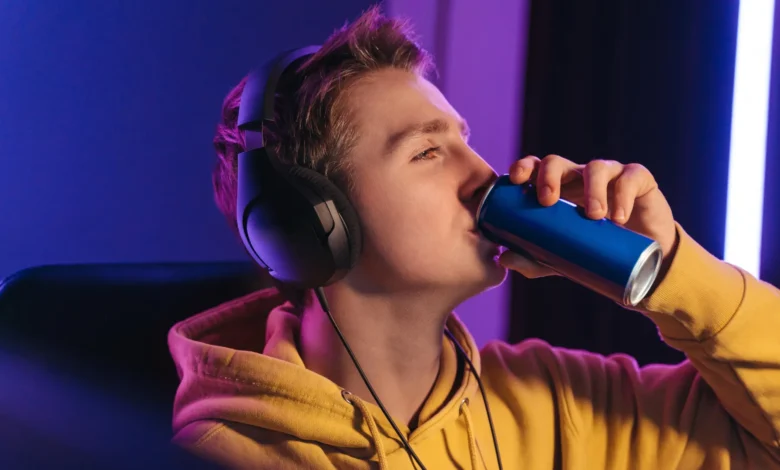
New research presented at the American Heart Association’s Scientific Sessions 2026 has ignited a fresh debate regarding the safety of the rapidly expanding energy drink and stimulant supplement market. By analyzing federal safety data, investigators have identified a concerning pattern: products heavily fortified with caffeine and various chemical stimulants appear with disproportionate frequency in reports of serious cardiovascular events, including cardiac arrest and myocardial infarction. While the study does not definitively establish causation, the findings have prompted a call for more stringent regulatory oversight and heightened clinical awareness, particularly concerning the health of adults aged 18 to 34.
The investigation, led by Sai Samayamanthula, a medical student at the University of Virginia School of Medicine, scrutinized over 28,000 adverse event reports submitted to the U.S. Food and Drug Administration (FDA) between 2017 and 2025. The results suggest that the ubiquity of these products, often marketed as benign "pick-me-ups" and placed in checkout aisles alongside conventional soft drinks, may mask a significant underlying health risk for a segment of the population that remains largely unaware of the potential for cardiovascular distress.
A Chronology of Growing Consumption and Regulatory Gaps
The energy drink industry has seen meteoric growth over the past decade. In 2014, the market was a significant but contained sector of the beverage industry; by 2024, annual sales had surged to exceed $20 billion. This trajectory is fueled by aggressive marketing campaigns that target students, young professionals, and athletes, often emphasizing enhanced performance, mental clarity, and sustained energy.
However, the regulatory environment has failed to keep pace with this innovation. Because the FDA classifies these beverages and supplements as food products or dietary supplements rather than pharmaceutical drugs, they are not subjected to the rigorous pre-market safety testing required for medication. This leaves a regulatory vacuum where manufacturers can combine various stimulant ingredients—such as guarana, yerba mate, green tea extracts, and synthetic sympathomimetics—without demonstrating that the cumulative effect on human physiology is safe.
The timeline of safety concerns dates back several years, with periodic reports of arrhythmias and sudden cardiac death surfacing in medical literature. Despite these incidents, the general public perception remains that these drinks are equivalent to a cup of coffee. The 2026 American Heart Association (AHA) Scientific Statement on caffeine underscores this disconnect, noting that while 400 mg of caffeine is generally considered the safe upper limit for a healthy adult—roughly equivalent to five 8-ounce cups of coffee—the reality is that modern energy drinks and pre-workout supplements often concentrate caffeine at levels far exceeding that threshold. Some pre-workout powders, for instance, contain concentrations of stimulants more than 12 times higher than a standard cup of coffee, creating a "caffeine bomb" effect that the human heart may not be prepared to handle.
Analyzing the Data: A Statistical Signal
To parse the safety data, researchers categorized 28,345 reports from the FDA’s adverse event database. The study isolated 854 reports related to products containing stimulants and compared them against a massive control group of 27,491 reports involving non-stimulant foods and supplements, such as vitamins, protein bars, and smoothies.
The analysis revealed that reported incidents of cardiac arrest, heart attacks, and other cardiovascular emergencies were significantly more prevalent in the stimulant-containing group. Although the researchers were careful to clarify that these figures do not represent an absolute increase in risk for every consumer, the statistical signal was clear enough to warrant further investigation. The "signal" refers to the frequency of reports—not the incidence rate of the event in the general population—but it serves as a critical indicator for public health officials that these products may be contributing to preventable medical emergencies.
Vulnerability in the 18-34 Demographic
Perhaps the most troubling aspect of the research is the demographic breakdown. A significant portion of the cardiovascular reports involved adults between the ages of 18 and 34. This age group is not only the primary consumer base for these products but also the demographic least likely to expect a cardiac event.
Several hypotheses explain why younger individuals may be at an increased risk. One factor is the social context of consumption. Younger adults are more likely to consume these drinks in combination with other substances, including alcohol, or to use them as a pre-exercise supplement, which places additional physical stress on the cardiovascular system. Furthermore, there is the potential for undiagnosed underlying heart conditions, such as hypertrophic cardiomyopathy or channelopathies, which can be triggered or exacerbated by high-intensity stimulant intake.
Dr. Gregory M. Marcus, a professor of medicine at the University of California, San Francisco, and chair of the 2026 AHA scientific statement, emphasized the importance of caution when interpreting the data. "This study raises concerns that products with very high amounts of caffeine may be harmful to the cardiovascular system," Dr. Marcus stated. "While there are biological reasons why that connection could be possible, the study does not prove that caffeine products cause these events, because other factors may have influenced the results found in this analysis."
Clinical Implications and Healthcare Responses
The medical community is now moving toward a more proactive stance regarding patient history. The researchers suggest that primary care physicians, cardiologists, and emergency department staff should explicitly ask younger patients about their consumption habits when they present with symptoms like palpitations, chest pain, or unexplained fainting. Often, patients may not consider an energy drink a "supplement" or a "stimulant" and thus might fail to disclose its use during a medical interview.
By systematically documenting these habits, healthcare providers can begin to build a clearer picture of the correlation between specific products and adverse outcomes. Furthermore, the findings suggest a need for "systematic safety monitoring." Currently, the burden of reporting an adverse event to the FDA lies with the consumer or the physician, which leads to significant underreporting. A more robust, mandated surveillance system for stimulant-heavy beverages could provide the longitudinal data necessary to determine whether specific formulations or concentrations should be restricted or labeled with more prominent health warnings.
Broader Public Health Implications
The challenge of regulating energy drinks is complex due to the diversity of ingredients. The category of "stimulants" in the study included not only pure caffeine but also methylxanthines like theobromine and various plant-based extracts that provide a synergetic effect, potentially magnifying the impact on the heart. Because the study grouped products by ingredient type rather than brand, it avoids unfairly targeting specific companies while highlighting the systemic issue: the lack of standardized safety protocols across the entire industry.
As the market continues to grow, the pressure on the FDA to refine its oversight will likely increase. Advocacy groups have long called for clearer warning labels that explicitly state the total caffeine content and potential cardiovascular risks, particularly for individuals with pre-existing conditions. Currently, the lack of such warnings allows consumers to unknowingly ingest doses that could trigger an acute cardiac event.
Ultimately, the research serves as a wake-up call for both consumers and policymakers. For the consumer, the takeaway is that convenience does not equal safety; a drink purchased at a convenience store can have a potent physiological impact. For policymakers, the findings suggest that the current "food-like" classification of these products may be insufficient to protect public health. As the scientific community awaits more comprehensive, prospective studies to confirm the link between these stimulants and cardiovascular emergencies, the evidence already available suggests that a more cautious approach to these potent products is warranted. The bridge between the laboratory and the retail shelf must be built on the foundation of safety, ensuring that consumers are fully informed of the risks associated with the energy-dense stimulants that have become a staple of modern life.