A 24-Hour Fast Combined with Specific Gut Bacteria Enhances Intestinal Recovery Following Radiation Therapy

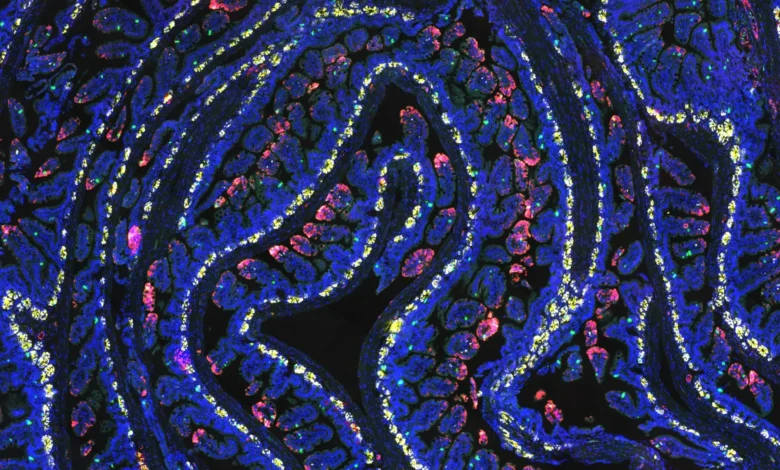
Researchers at The University of Texas MD Anderson Cancer Center have uncovered a significant biological mechanism that could revolutionize how clinicians manage the side effects of abdominal radiation therapy. A new study, published in the Proceedings of the National Academy of Sciences, demonstrates that a 24-hour fast, when coupled with the presence of the gut bacterium Akkermansia muciniphila (AKK), triggers a sophisticated internal "emergency preparedness" program within the small intestine. This discovery provides a long-sought explanation for why fasting appears to confer protective benefits against radiation-induced tissue damage, potentially paving the way for safer cancer treatment protocols.
The Clinical Challenge of Abdominal Radiation
Radiation therapy remains a cornerstone of oncological care, particularly for malignancies located in the abdomen, such as pancreatic, colorectal, and gynecologic cancers. While ionizing radiation is highly effective at inducing DNA damage in rapidly dividing tumor cells, its lack of specificity means that healthy tissue in the immediate vicinity is often collateral damage.
The small intestine is uniquely vulnerable to this exposure. Its lining is characterized by a high turnover rate of epithelial cells, which are essential for nutrient absorption and barrier function. When radiation disrupts this delicate ecosystem, patients frequently suffer from debilitating side effects, including severe nausea, chronic diarrhea, and systemic infections. In extreme cases, the resulting mucosal injury is so profound that it can lead to life-threatening complications, forcing oncologists to reduce the total dose of radiation or interrupt treatment entirely. This clinical compromise—the need to balance tumor eradication with the preservation of healthy patient tissue—has been a persistent hurdle in modern oncology.
Chronology of Discovery: From Observation to Mechanism
The path to this discovery began years ago in the laboratory of Dr. Helen Piwnica-Worms. Previous preclinical studies conducted by her team established a consistent, observable pattern: mice that underwent a period of fasting prior to receiving radiation exposure exhibited markedly better intestinal recovery rates than their non-fasted counterparts. However, the precise biological "how" remained an enigma.
Over the last several years, the team, co-led by Dr. Kunal Rai, professor of Genomic Medicine, systematically analyzed the metabolic and microbial shifts occurring during these fasting windows. By employing advanced genomic sequencing and metabolic profiling, the researchers isolated the variable that shifted most dramatically: the population of the gut microbiome.
The study timeline reached a pivotal moment when the researchers identified that 24 hours of fasting induced a surge in the abundance of Akkermansia muciniphila. This specific microbe, already recognized in other research for its role in metabolic health and inflammation, was found to be the key mediator in the intestinal repair pathway. When the researchers experimentally depleted AKK from the microbiome, the protective benefits of the fasting period vanished. Conversely, reintroducing the bacterium to depleted subjects restored the regenerative effect, confirming that the synergy between nutrition and the microbiome is an essential component of the repair response.
The Biological Engine: Propionate and Histone Modification
The study details a complex chain reaction that occurs at the molecular level. When Akkermansia muciniphila thrives during a fast, it produces a short-chain fatty acid called propionate. Propionate acts as a signaling molecule that initiates a cascade of metabolic changes within the intestinal epithelial cells.
These changes primarily affect histones—the protein "spools" around which DNA is wrapped. Through a process of chemical modification, these histones undergo epigenetic changes that alter the accessibility of specific regions of the genome. By loosening the DNA packaging, the cells can more easily access the genetic instructions required for rapid tissue regeneration.
Essentially, the combination of fasting and the presence of AKK pre-loads the intestinal cells with the necessary software to respond to injury. When radiation exposure occurs, these "primed" cells are already programmed to proliferate and repair the damaged lining, effectively mitigating the extent of the cellular death that usually follows high-dose radiation.
Implications for Oncology and Future Clinical Trials
The findings suggest a paradigm shift in how we view the patient’s internal environment during cancer treatment. Rather than viewing the gut microbiome as a passive bystander, this research positions it as a critical participant in the success of radiotherapy.
"Fasting helps prepare intestinal cells to respond more quickly and effectively after injury, almost like training the cells with an emergency preparedness plan," Dr. Piwnica-Worms stated in the aftermath of the publication. "This study helps explain how that plan is organized and identifies a key bacterium involved in coordinating the response."
The potential implications for patient care are significant. If clinical trials, which are the logical next step for this research, confirm these findings in human populations, it could mean that patients might one day undergo "pre-habilitation" protocols designed to optimize their gut health before treatment begins.
Moving Beyond Fasting: Toward Targeted Therapies
One of the most promising aspects of the MD Anderson research is the acknowledgment that fasting is not always a viable option for cancer patients. Many individuals already struggling with cancer-related cachexia or the nutritional demands of aggressive therapy cannot afford to skip meals.
Dr. Kunal Rai highlighted this practical limitation: "Fasting is not always practical for cancer patients, and this work supports several other potential ways to enhance recovery after treatment. Whether through dietary interventions, targeted microbes or their metabolites, the goal is to help repair healthy tissue more effectively while patients receive the cancer therapies they need."
The research team is now investigating whether the administration of propionate or targeted probiotic supplements containing Akkermansia muciniphila could mimic the protective effects of fasting without the physiological strain of food restriction. This could allow clinicians to boost the body’s natural repair mechanisms in a controlled, safe manner.
Furthermore, the research suggests that this protective pathway might extend beyond the intestines. Because many tissues—including bone marrow, which is notoriously sensitive to chemotherapy and radiation—undergo rapid cellular turnover, the discovery may eventually lead to a broader range of supportive care strategies. By applying the principles of microbial-metabolic priming, researchers hope to develop new protective measures that improve the quality of life for oncology patients globally.
Funding and Institutional Support
This multi-disciplinary research was supported by significant grants from the National Cancer Institute (NCI), a division of the National Institutes of Health (NIH), and the Cancer Prevention and Research Institute of Texas (CPRIT). These investments underscore the high priority that major health organizations are placing on reducing the long-term toxicity associated with cancer treatments.
While the transition from preclinical models to human clinical trials will require rigorous testing for safety and efficacy, the MD Anderson study represents a milestone in integrative oncology. By bridging the gap between nutrition, microbiology, and radiotherapy, the researchers have opened a new frontier in the quest to make cancer treatment more effective and less taxing on the human body. As the medical community looks toward the next phase of this research, the focus will remain on whether these microbial-led interventions can truly translate into a tangible reduction in treatment-related morbidity for patients worldwide.