The Hidden Cost of Perfection: Why Strict Blood Glucose Control May Impact Quality of Life for People with Diabetes

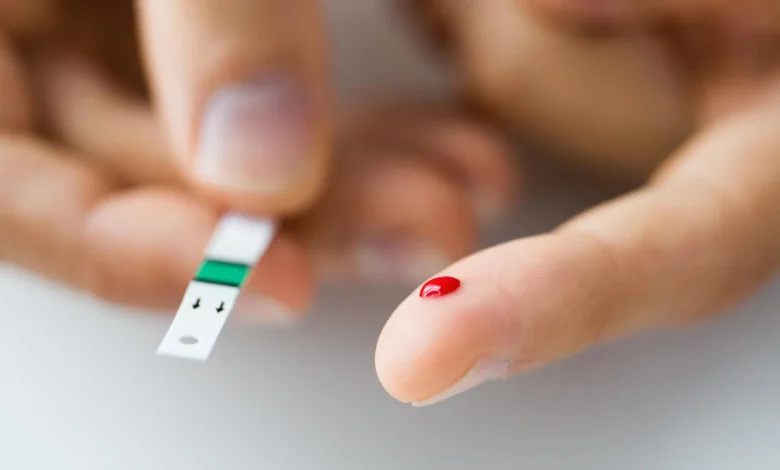
New research presented at the Annual Meeting of the European Association for the Study of Diabetes (EASD) in Milan, Italy, has unveiled a paradoxical finding that challenges the conventional wisdom surrounding diabetes management. For decades, the medical community has emphasized the importance of achieving "flat" glucose lines—keeping blood sugar levels as steady as possible to prevent complications. However, a study involving 400 participants suggests that the relentless pursuit of this physiological stability may carry an unexpected emotional and psychological burden, potentially diminishing the daily quality of life for those living with type 1 and type 2 diabetes.
The PRO-MENTAL Study: Methodology and Scope
The findings originate from the PRO-MENTAL study, a robust investigation funded by the German Center for Diabetes Research (DZD). Conducted by Professor Dominic Ehrmann and his colleagues at the Research Institute Diabetes Academy Mergentheim (FIDAM) in Germany, the research aimed to bridge the gap between clinical metrics—such as HbA1c and time-in-range—and the subjective human experience of living with a chronic condition.
To capture the nuances of daily life, the research team utilized ecological momentary assessment (EMA). This technique allowed 400 participants—72% with type 1 diabetes and 28% with type 2 diabetes—to provide real-time reports on their well-being over 14 consecutive days. Participants assessed their mood, energy levels, sleep quality, and perceived stress using the WHO-5 Well-Being Index, a validated psychological tool. Simultaneously, the researchers tracked physiological data using continuous glucose monitoring (CGM) devices. This dual-layered approach enabled the team to map glucose patterns against personal quality of life reports with high precision.
Chronology of the Research and Clinical Context
The data collection period spanned two weeks, during which the researchers gathered comprehensive insights into glucose variability, time spent in the normal glycemic range (TING: 70–140 mg/dl), time below range (TBR: <70 mg/dl), and time above range (TAR: >180 mg/dl). By utilizing statistical modeling, the team sought to identify whether a patient’s glycemic profile on one day could predict their psychological outlook on the following day.
The timing of this presentation at the EASD conference is significant. As CGM technology becomes increasingly ubiquitous, the "ideal" management of diabetes has shifted from intermittent finger-prick tests to a constant flow of real-time data. While this advancement has drastically reduced the risk of long-term complications, it has also introduced a new phenomenon often referred to as "diabetes distress" or "CGM burnout." The EASD annual meeting serves as a global platform for clinicians and researchers to discuss not only the biological efficacy of these devices but also the psychosocial challenges inherent in their use.
Surprising Correlations in the Data
The study’s statistical analysis yielded two primary, and seemingly contradictory, conclusions. First, it confirmed the established medical consensus: spending more time in the target glycemic range (70–140 mg/dl) is unequivocally linked to a better quality of life the following day. This reinforces the clinical necessity of maintaining stable, safe glucose levels to prevent the physical lethargy and health risks associated with hyperglycemia or hypoglycemia.
However, the second finding provided a nuanced counter-argument. The study revealed that greater glucose variability on a given day was also associated with improved quality of life on the following day. This finding was unexpected, as medical literature generally views glucose variability as a negative metric. The researchers hypothesize that this does not imply that high variability is "healthy," but rather that the lifestyle restrictions required to achieve perfect stability may be more detrimental to a person’s mental well-being than the occasional, controlled fluctuation in blood sugar.
The Psychology of Diabetes Management
The implications of this research suggest that for many patients, the effort required to avoid every minor glucose oscillation creates a cycle of self-imposed restriction. When patients feel the need to micro-manage their glucose levels, they may avoid activities—such as exercise, social dining, or spontaneous travel—that are known to cause natural, safe fluctuations in blood sugar.
"These findings may suggest that individuals experience lower quality of life when attempting to minimize glucose fluctuations too strictly," noted Professor Ehrmann. "The associated burden or restrictions in daily life may contribute to some people living with diabetes feeling unable to safely engage in certain activities."
This creates a "burden of vigilance." If a person with diabetes becomes hyper-focused on keeping a flat line on their CGM display, they may sacrifice the spontaneity and freedom that constitute a high quality of life. The study highlights that quality of life is not solely a product of the glucose number; it is a complex intersection of energy levels, sleep quality, and the ability to participate in meaningful social activities.
Supporting Data and Statistical Breakdown
The participant pool was diverse, with a mean age of 47 years and an average HbA1c of 7.6%. By controlling for variables such as age, sex, and diabetes type, and by accounting for the previous day’s quality of life, the researchers ensured that the results were not merely a reflection of a participant’s baseline disposition.
One of the most critical takeaways is that glucose measurements taken on the same day did not show a strong correlation with quality of life for that same day. The influence, according to the study, is delayed. A day of good management or a day of moderate, safe fluctuations appears to manifest as improved well-being only after a period of rest, such as a night of sleep. The study explicitly identified that better sleep and higher energy levels were independent predictors of improved well-being, further suggesting that the physiological strain of constant monitoring may interfere with the restorative power of sleep.
Clinical Implications and Future Directions
The results of the PRO-MENTAL study do not advocate for poor glycemic control. The researchers are careful to emphasize that the benefits of remaining in the safe, normal range are clear and should remain a primary goal for patients. Instead, the study provides a vital message for the endocrinology and primary care communities: treatment goals must be balanced with the patient’s capacity for emotional and social engagement.
In clinical practice, this could lead to a shift in how healthcare providers coach their patients. Rather than pressuring patients to achieve a perfectly flat CGM trace—which may be an unrealistic or mentally taxing standard—providers might focus on "flexible control." This approach encourages patients to accept safe, natural fluctuations as part of an active life, provided they remain within the safe thresholds.
Broader Impact on Public Health
As diabetes rates continue to rise globally, the burden of managing these conditions is shifting from the clinical setting to the patient’s daily environment. The ubiquity of digital health tools, while transformative, has introduced a continuous loop of data that can be overwhelming.
The EASD findings suggest that "health" must be defined more broadly than just the biological markers found in blood tests. It must encompass the ability of a person to live a fulfilling life without the constant anxiety of a sensor alert. By acknowledging the hidden costs of strict blood sugar regulation, the medical community can move toward a more human-centered model of care—one that prioritizes not just the prevention of complications, but the promotion of a life that is both healthy and livable.
Ultimately, the study serves as a call for a more nuanced understanding of patient behavior. It suggests that the best diabetes management plan is one that is sustainable, allowing for the natural ebbs and flows of daily life while maintaining the physiological stability necessary for long-term health. Future research in this area will likely focus on developing psychological interventions that help patients navigate the transition from "perfect" management to "sustainable" management, ensuring that technology serves the person, rather than the person serving the technology.