Southern California’s Hybrid Honeybees Offer a Promising Defense Against Devastating Varroa Mites

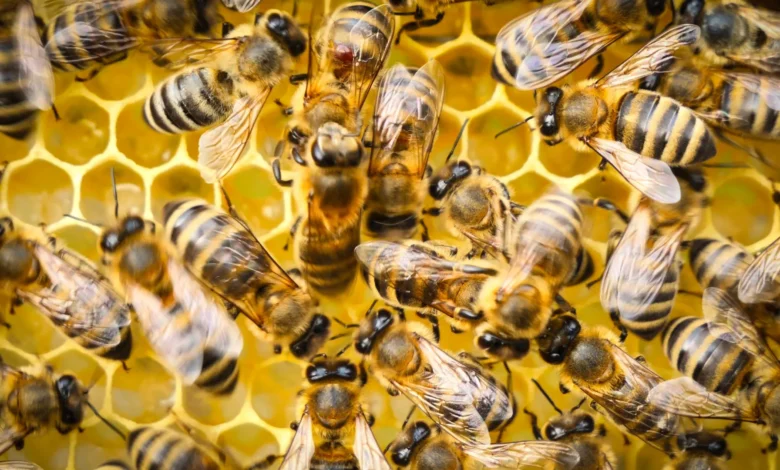
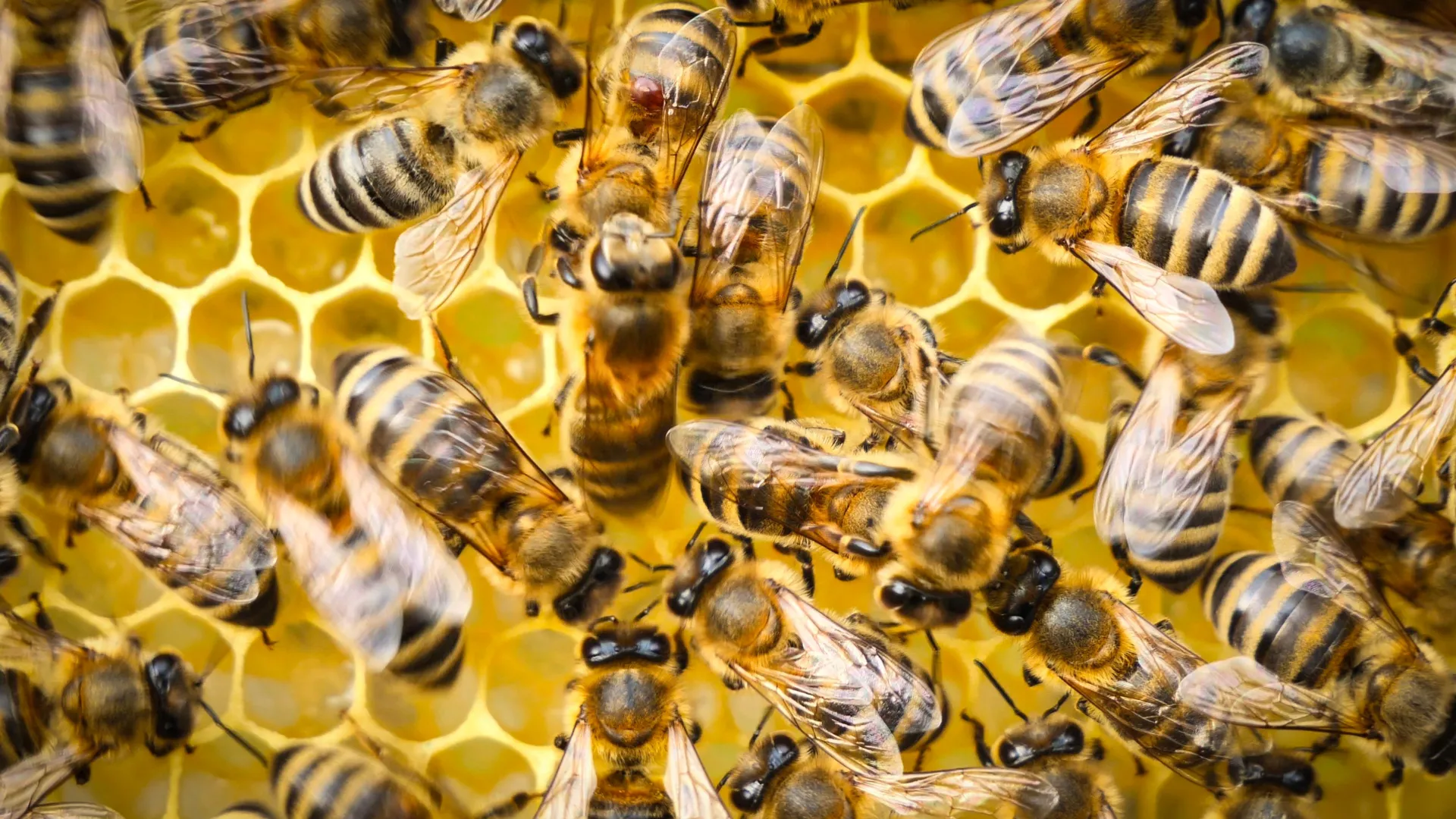
Southern California may be home to an unexpected ally in the fight to save honeybees. As commercial hives across the United States struggle to survive attacks from deadly parasites, a distinct hybrid bee found in this region is showing a surprising ability to endure. This groundbreaking discovery, spearheaded by researchers at the University of California, Riverside, offers a beacon of hope in a landscape increasingly threatened by pollinator decline, impacting global food security and agricultural stability.
The dire situation facing honeybees has been a growing concern for years. In 2025, beekeepers nationwide reported staggering losses, with an estimated 62% of their managed honeybee colonies perishing. This alarming trend is not attributable to a single factor but rather a complex interplay of environmental stressors. Pesticide exposure, the unpredictable effects of climate change, the relentless shrinking of natural habitats, and the pervasive threat of parasitic infestations all contribute to the weakening and eventual demise of these vital insects. Among these adversaries, the Varroa destructor mite has emerged as a particularly formidable and destructive force.
The Insidious Impact of Varroa Mites on Honeybee Colonies
Varroa mites, often referred to as the "vampires of the bee world," inflict damage through a dual assault. Firstly, they directly weaken individual bees by feeding on their vital fat body tissue. This organ, analogous to a human’s liver, pancreas, and immune system combined, is crucial for a bee’s survival, governing its immune function, metabolic processes, and energy reserves. As mites consume this essential tissue, bees experience significant weight loss, a compromised immune system making them susceptible to a cascade of diseases, and a drastically shortened lifespan. This internal weakening leaves them ill-equipped to perform their essential duties within the hive, from foraging to caring for the brood.
Beyond direct physical debilitation, Varroa mites act as vectors for a host of devastating bee viruses. They facilitate the transmission of pathogens like the Deformed Wing Virus (DWV), which causes grotesquely misshapen wings rendering bees unable to fly, and Acute Bee Paralysis Virus (ABPV), which can lead to rapid colony collapse. These viruses are injected directly into a bee’s hemolymph (insect blood) during the mite’s feeding process, ensuring a swift and often fatal infection. To combat these pervasive threats, beekeepers have historically relied on chemical treatments, employing acaricides to manage mite populations. However, the mites have shown a remarkable capacity to develop resistance to these chemicals, rendering many conventional treatments increasingly ineffective over time and creating a continuous cycle of treatment and failure.
A Ray of Hope: UC Riverside Study Uncovers Natural Resistance in Hybrid Bees
Amidst this challenging landscape, new research originating from the University of California, Riverside, published in the esteemed journal Scientific Reports, offers a significant and rare piece of good news. This comprehensive study marks the first rigorous scientific demonstration that a distinct, locally adapted population of honeybees in Southern California possesses an intrinsic and consistent ability to naturally manage Varroa mite populations. This finding moves beyond anecdotal evidence and provides concrete data supporting the remarkable resilience of these specific bees.
Dr. Genesis Chong-Echavez, a doctoral candidate in entomology at UCR and the lead author of the study, articulated the genesis of this research. "We kept hearing anecdotally that these Californian honeybees were surviving with way fewer treatments," she stated. "I wanted to test them rigorously and understand the driving force behind what the beekeepers were seeing." This desire to move from observation to empirical understanding fueled a multi-year investigation.
Collaborating with a team of entomologists from UCR’s renowned Center for Integrative Bee Research (CIBER), Chong-Echavez embarked on a meticulous tracking project. From 2019 through 2022, the research team monitored 236 honeybee colonies, carefully documenting their mite loads and their reliance on chemical interventions. This extensive period allowed for the observation of seasonal variations and the long-term impact of mite pressure.
Quantifiable Success: Reduced Mite Infestations and Treatment Needs
The results of this extensive study were compelling and statistically significant. The research clearly indicated that these Southern California hybrid bees are not entirely immune to Varroa mites. However, their performance in managing mite populations far surpasses that of typical commercial honeybee colonies found throughout the United States. Colonies headed by locally raised hybrid queens exhibited, on average, a remarkable 68% fewer Varroa mites compared to colonies managed by standard commercial queens.
Furthermore, the practical implications of this natural resistance are profound. The study revealed that these hybrid bee colonies were more than five times less likely to reach infestation levels that necessitate chemical intervention. This translates directly into reduced costs for beekeepers, decreased exposure of bees and their environment to potentially harmful pesticides, and a more sustainable approach to beekeeping.
Intriguingly, these resilient bees are not the product of any specific commercial breeding program designed for mite resistance. Instead, they originate from a naturally occurring, mixed population found in Southern California. Many of these colonies are derived from feral populations that have established themselves in natural settings, such as hollow trees. Genetic analyses performed by the UCR team have unveiled a complex genetic tapestry, revealing that these hybrid bees combine traits from at least four distinct honeybee lineages: African, Eastern European, Middle Eastern, and Western European bees. This genetic diversity likely contributes to their unique resilience.
Unraveling the Mechanism: The Larval Stage as a Critical Defense Point
To delve deeper into the underlying mechanisms responsible for this superior mite management, the researchers shifted their focus to the developing larvae within the hive. Varroa mites exhibit a critical reproductive strategy: they must invade a brood cell, typically containing a developing larva, to reproduce. Recognizing this, the UCR team designed laboratory experiments to assess whether mites displayed differential attraction to larvae from various colony types.
The results of these experiments were striking. Mites demonstrated significantly less interest in larvae originating from the hybrid Californian bee colonies. This reduced attraction was particularly pronounced when the larvae were approximately seven days old, a stage generally considered the most vulnerable to mite infestation. This finding strongly suggests that a key component of the bees’ defense mechanism is activated early in their developmental cycle, potentially predating the influence of adult bee behaviors that might otherwise contribute to mite removal.
Dr. Chong-Echavez expressed her astonishment at this discovery. "What surprised me most was the differences showed up even at the larval stage," she commented. "This suggests the resistance mechanism may go deeper than some kind of behavior and may be genetically built into the bees themselves." This points towards a potentially inherent, biological trait that deters mite infestation from the very beginning of a bee’s life.
Broader Implications for Global Pollinator Health and Food Security
The significance of these findings extends far beyond the sun-drenched landscapes of Southern California. Honeybees are indispensable pollinators, playing a critical role in the reproduction of an estimated 75% of the world’s leading food crops. Their pollination services are valued in the billions of dollars annually, underpinning global agricultural productivity and food security. Yet, these essential pollinators are facing unprecedented environmental challenges.
This UCR research offers a compelling argument that natural biological traits, rather than solely relying on synthetic interventions, could represent a viable pathway to strengthening bee populations worldwide. The identification and understanding of these traits could pave the way for more sustainable and effective strategies to combat pollinator decline.
Professor Boris Baer, a senior entomology professor at UCR and a co-author of the study, underscored the crucial role of collaboration with the beekeeping community in achieving these insights. "This question did not start in the lab. It started in conversations with beekeepers," Baer emphasized. "They were not just observers; they helped shape the questions behind this research." This symbiotic relationship between scientific inquiry and practical, on-the-ground knowledge highlights a powerful model for future research in agricultural and environmental science.
The Path Forward: From Discovery to Application
While the discovery of naturally resistant hybrid bees is incredibly encouraging, researchers are careful to temper expectations with scientific pragmatism. They stress that these hybrid bees are not completely mite-free, and current best management practices for beekeeping should not be abandoned. Instead, the focus now shifts to identifying the precise genetic, physiological, or chemical signals that confer this resistance.
Future research endeavors will concentrate on pinpointing the specific traits that enable these bees to maintain lower mite levels. The ultimate goal is to explore how these identified traits can be leveraged to support breeding efforts, potentially leading to the development of more mite-resilient commercial bee stocks. This could significantly reduce the reliance on chemical treatments, fostering a healthier and more sustainable beekeeping industry.
The research team plans to conduct further investigations into the genetic underpinnings of this resistance, exploring potential behavioral adaptations, and analyzing any chemical cues that might make the larvae less appealing to Varroa mites. By dissecting these complex interactions, scientists aim to unlock the secrets of this natural defense.
"At a time when pollinators are facing global decline, this work offers a hopeful message: solutions may already be emerging in the field, and we just need to understand them," Dr. Chong-Echavez concluded, encapsulating the optimistic yet grounded outlook of the research. This Southern California discovery serves as a powerful reminder that in the intricate web of nature, solutions to our most pressing environmental challenges may be closer than we think, waiting to be uncovered and understood. The resilience of these hybrid bees offers a vital glimpse into a future where human ingenuity and natural adaptation can work in concert to protect these indispensable creatures.