Revive Dry Hair With The Best Nourishing Hair Masks
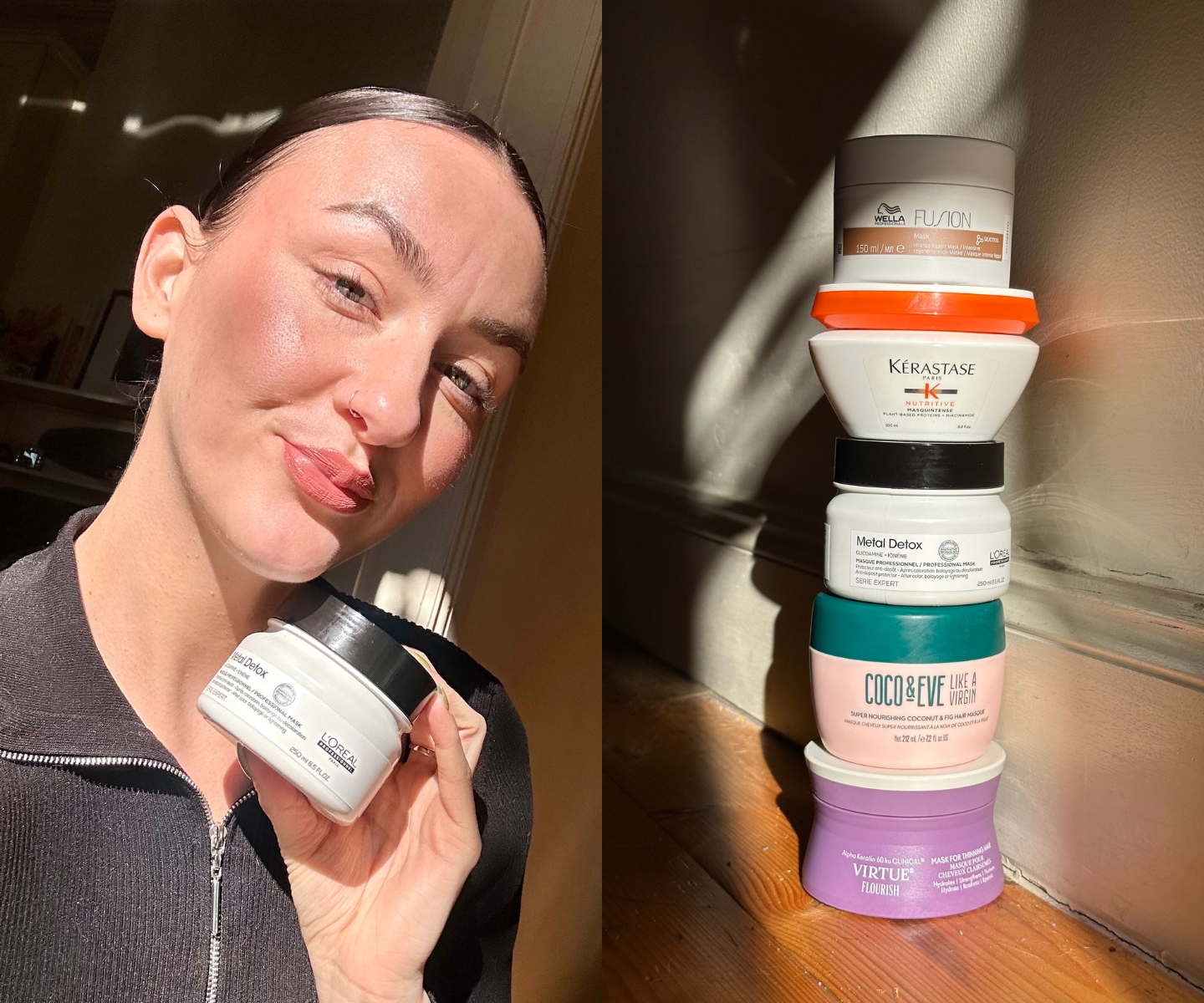

Revive Dry Hair: The Ultimate Guide to Nourishing Hair Masks for Intense Hydration
Dry hair is a pervasive concern, stemming from a multitude of factors including environmental damage, chemical treatments, heat styling, aging, and even diet. The telltale signs are undeniable: a rough, brittle texture, a dull appearance lacking shine, increased frizz and flyaways, and a propensity for breakage. This lack of moisture compromises the hair shaft’s integrity, making it susceptible to further damage and hindering healthy growth. Fortunately, the transformative power of nourishing hair masks offers a potent solution. These intensive treatments deliver a concentrated dose of hydration and beneficial ingredients deep into the hair cuticle, replenishing lost moisture, strengthening the strands, and restoring a healthy, vibrant look. This article delves into the science behind dry hair and the efficacy of hair masks, exploring the key ingredients to look for and providing a comprehensive guide to selecting and using the best nourishing hair masks to revive your parched locks.
Understanding the hair shaft is crucial to appreciating the impact of dryness and the benefits of hair masks. The hair shaft is comprised of three layers: the cuticle, the cortex, and the medulla. The cuticle, the outermost layer, is made up of overlapping scales that act as a protective shield. When hair is healthy, these scales lie flat, reflecting light and giving hair its shine. Dryness causes the cuticle scales to lift and become rough, leading to a dull appearance and increased friction, which exacerbates frizz and breakage. The cortex, the middle layer, contains keratin, the protein that gives hair its strength and elasticity. It also holds pigment, determining hair color. Dryness can weaken the keratin structure, making hair less resilient. The medulla, the innermost layer, is a hollow core found in thicker hairs, and its role is less understood, but its absence in finer hair doesn’t typically correlate with dryness. Hair masks work by penetrating these layers, particularly the cortex, to deliver reparative and moisturizing agents.
The core function of a nourishing hair mask is to replenish lost moisture. This is achieved through humectants and emollients. Humectants, such as hyaluronic acid, glycerin, and panthenol (Vitamin B5), attract water from the atmosphere or deeper within the hair shaft and bind it to the hair. They act like tiny sponges, drawing hydration into the hair. Emollients, on the other hand, are lipids and oils that smooth the hair shaft, seal in moisture, and improve flexibility. Common emollients found in effective masks include shea butter, coconut oil, argan oil, jojoba oil, and various other plant-derived oils. These ingredients fill the gaps between the lifted cuticle scales, creating a smoother surface, reducing friction, and preventing moisture from escaping. Furthermore, many nourishing masks also incorporate ingredients that strengthen the hair structure and repair damage. Proteins, like hydrolyzed wheat protein, keratin, and silk protein, are essential building blocks of hair. When hair is dry and damaged, its protein structure can be compromised. These hydrolyzed proteins are small enough to penetrate the hair shaft and replenish lost keratin, increasing hair strength and elasticity.
The selection of the right nourishing hair mask depends on the specific needs of your dry hair. For severely dry, brittle, or chemically treated hair, prioritize masks rich in deep conditioning agents and protein-rich formulas. Look for ingredients like ceramides, which help repair the hair’s natural lipid barrier, and penetrating oils like avocado oil and olive oil, known for their ability to deeply moisturize and nourish. For fine, dry hair, it’s essential to avoid overly heavy masks that can weigh down the hair and make it appear greasy. Opt for lighter, yet still hydrating, formulations that utilize ingredients like quinoa protein or soy protein, which can strengthen without excessive heaviness. Masks containing ingredients like honey or aloe vera are excellent for soothing dry, irritated scalps often associated with overall hair dryness. For curly or coily hair, which is naturally prone to dryness due to its structure, masks rich in shea butter, mango butter, and fatty acid-rich oils like avocado and macadamia nut oil are particularly beneficial for providing intense moisture and definition.
When seeking the best nourishing hair masks, certain key ingredients consistently appear in high-performing formulations. Shea butter is a powerhouse emollient derived from the nuts of the African shea tree. Its rich concentration of fatty acids and vitamins makes it exceptionally moisturizing, capable of penetrating the hair shaft to provide deep conditioning and improve elasticity. Coconut oil is another exceptional ingredient due to its small molecular structure, allowing it to penetrate the hair shaft more effectively than many other oils. It helps reduce protein loss, strengthening the hair and preventing breakage. Argan oil, often referred to as "liquid gold," is rich in vitamin E, antioxidants, and essential fatty acids. It hydrates, nourishes, and adds shine without weighing down the hair. Jojoba oil is unique because its molecular structure closely mimics the sebum naturally produced by the scalp, making it an excellent moisturizer that can balance oil production and condition the hair. Hyaluronic acid, a potent humectant, can hold up to 1000 times its weight in water, providing intense hydration and plumping the hair shaft. Glycerin is another effective humectant that draws moisture into the hair. Panthenol (Vitamin B5) is a provitamin that penetrates the hair shaft, improving moisture retention, adding shine, and enhancing manageability. Hydrolyzed proteins (wheat, soy, silk, keratin) are crucial for repairing and strengthening damaged hair by replenishing lost protein. Ceramides are lipids that form the natural barrier of the hair. In masks, they help to fill in gaps in the cuticle, strengthening the hair and preventing moisture loss. Aloe vera is known for its soothing and moisturizing properties, beneficial for both the hair and scalp, especially if dryness is accompanied by irritation.
The application of a nourishing hair mask is as crucial as the product itself. For optimal results, start with clean, damp hair. Shampoo your hair as usual, and then gently towel-dry it to remove excess water. This ensures the mask can penetrate effectively without being diluted by too much water. Section your hair to ensure even application from roots to tips, paying particular attention to the mid-lengths and ends, which are often the driest and most damaged areas. Generously apply the mask, working it through each section. Once applied, cover your hair with a shower cap or a warm towel. The heat helps to open the hair cuticle, allowing the nourishing ingredients to penetrate deeper into the hair shaft. Leave the mask on for the duration recommended by the product manufacturer, which typically ranges from 15 minutes to overnight for intensive treatments. Rinse thoroughly with cool or lukewarm water. Using cooler water helps to seal the cuticle, trapping in moisture and enhancing shine. Follow up with your regular conditioner if desired, although many masks are formulated to provide sufficient conditioning. For best results, incorporate a nourishing hair mask into your routine once or twice a week, depending on the severity of your hair dryness.
When selecting a hair mask for dry hair, consider the ingredient list carefully. Prioritize masks that list nourishing oils, butters, and humectants among the first few ingredients. Avoid masks with a high concentration of silicones that can create a temporary coating, giving the illusion of smoothness without truly addressing the underlying dryness. Similarly, be mindful of sulfates and drying alcohols, which can further strip the hair of its natural moisture. For those with sensitive scalps, look for fragrance-free or hypoallergenic formulas. Understanding your hair’s porosity can also guide your selection. Low porosity hair has tightly packed cuticles and can be easily weighed down, so lighter oils and masks are preferable. High porosity hair has more open cuticles and readily absorbs moisture but also loses it quickly, benefiting from richer, more occlusive ingredients. Medium porosity hair falls in between.
The journey to reviving dry hair is an ongoing process that requires consistent care and the right tools. Nourishing hair masks stand out as an indispensable element of this regimen, offering a concentrated dose of hydration and repair. By understanding the science behind dry hair, identifying key beneficial ingredients, and applying masks correctly, you can effectively transform brittle, dull locks into soft, shiny, and resilient strands. Experiment with different formulations to discover the perfect mask for your unique hair needs, and embrace the revitalizing power of these intensive treatments. The consistent use of high-quality nourishing hair masks will not only address current dryness but also proactively protect your hair from future damage, promoting long-term hair health and vibrancy. Investing in a good hair mask is an investment in the health and beauty of your hair, providing a tangible and noticeable difference in texture, appearance, and overall resilience. For those struggling with the persistent issue of dry hair, the dedicated use of these deeply conditioning treatments is a non-negotiable step towards achieving a truly revitalized and healthy mane.