Best Employee Attendance Management Systems
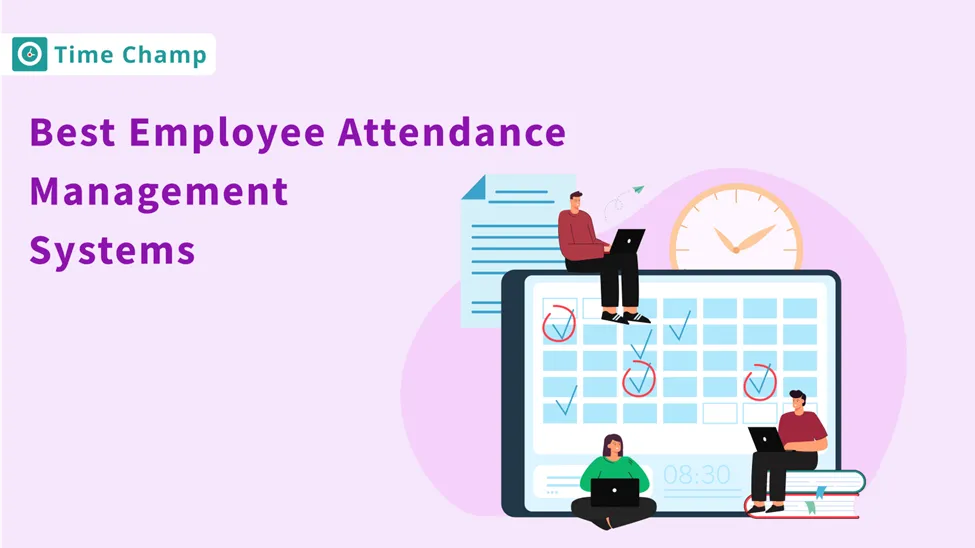
The Apex of Workforce Efficiency: Unveiling the Best Employee Attendance Management Systems
Employee attendance management is a cornerstone of operational efficiency and financial prudence for any organization. Beyond mere record-keeping, robust attendance systems provide invaluable data for payroll accuracy, productivity analysis, compliance adherence, and strategic workforce planning. In today’s dynamic business landscape, manual methods are not only archaic but actively detrimental, leading to errors, time theft, and a disconnect between employee presence and actual output. This comprehensive guide delves into the features, benefits, and selection criteria for the best employee attendance management systems, empowering businesses to optimize their most critical asset: their people.
The core functionality of any effective attendance management system revolves around accurate and automated time tracking. This encompasses a variety of methods, each with its own advantages and suitability for different work environments. Biometric systems, such as fingerprint scanners, facial recognition, or iris scanners, offer the highest level of accuracy and prevent buddy punching – where an employee clocks in for a colleague. These are ideal for industries with a high volume of hourly workers, manufacturing facilities, and environments where security is paramount. Geofencing or GPS-based tracking is another powerful option, particularly for remote or field-based teams. This technology allows employees to clock in and out only when they are within a designated geographical area, ensuring that work time is truly being spent on company business. Web-based or mobile clock-in/out systems provide flexibility for office-based staff and remote workers, allowing them to record their hours from any internet-connected device. Integration with existing HRIS (Human Resources Information System) or payroll software is a crucial feature, automating data transfer and minimizing the risk of manual data entry errors. This seamless integration streamlines the entire payroll process, ensuring employees are paid accurately and on time, thereby boosting morale and reducing administrative burden.
Beyond basic time tracking, advanced attendance management systems offer sophisticated features that drive deeper insights and control. Leave management is a critical component, enabling employees to request and managers to approve or deny various types of leave, including vacation, sick leave, and personal time off, all within a centralized platform. This eliminates the need for paper forms and email chains, providing clear visibility into team availability and facilitating better resource allocation. Overtime management is equally important. These systems can automatically calculate overtime based on pre-defined company policies and local labor laws, preventing costly disputes and ensuring compliance. Some systems even offer proactive alerts to managers when an employee is approaching overtime thresholds, allowing for informed decision-making and potential workload adjustments. Shift scheduling capabilities are another significant differentiator. Sophisticated systems can generate optimal schedules based on employee availability, skills, and legal requirements, minimizing labor costs and ensuring adequate staffing levels. Features like drag-and-drop interfaces and automated conflict detection make complex scheduling tasks manageable. Real-time reporting and analytics are where attendance management systems truly shine in providing actionable intelligence. Customizable dashboards can display key metrics such as total hours worked, overtime hours, absenteeism rates, tardiness, and leave balances. These reports enable managers to identify trends, pinpoint productivity bottlenecks, and assess the impact of attendance on overall business performance.
Selecting the right employee attendance management system requires a thorough assessment of an organization’s unique needs and operational complexities. The size of the workforce is a primary consideration. Small businesses might find simple, cloud-based solutions sufficient, while large enterprises with diverse workforces and multiple locations will require more robust, scalable platforms with advanced features. The nature of the work performed is also critical. For industries with hourly workers and strict timekeeping requirements, biometric or GPS tracking might be essential. For knowledge-based workers or those with flexible work arrangements, web-based or mobile solutions might be more appropriate. Budget is, of course, a significant factor. Attendance management systems vary widely in cost, from affordable monthly subscriptions for SaaS solutions to substantial upfront investments for on-premise hardware and software. It’s important to consider not only the initial cost but also ongoing maintenance, support, and potential upgrade fees. Integration capabilities are paramount. The chosen system should ideally integrate seamlessly with existing payroll, HRIS, and project management software to avoid data silos and manual workarounds. User-friendliness and accessibility are crucial for widespread adoption. The system should be intuitive and easy for both employees and administrators to use, minimizing training time and maximizing efficiency. Mobile accessibility is increasingly important, allowing employees to manage their attendance on the go and providing managers with real-time oversight regardless of their location.
The benefits of implementing a superior employee attendance management system are far-reaching and directly impact the bottom line. Increased accuracy in payroll processing is perhaps the most immediate and tangible advantage. Eliminating manual calculations and potential human errors significantly reduces overpayments, underpayments, and the associated administrative headaches and potential legal liabilities. Enhanced productivity is another significant outcome. By providing clear visibility into work hours and identifying patterns of absenteeism or tardiness, managers can address issues proactively, fostering a more disciplined and productive workforce. Improved compliance with labor laws is a non-negotiable benefit. Attendance systems help ensure adherence to regulations regarding overtime pay, break times, and work hour limits, mitigating the risk of costly fines and legal challenges. Better resource allocation and workforce planning are direct results of detailed attendance data. Managers can forecast staffing needs more accurately, optimize shift schedules, and identify potential labor shortages or surpluses, leading to more efficient operations and reduced labor costs. Reduced administrative burden is a significant time saver for HR departments and managers. Automating tasks such as time card collection, leave requests, and overtime calculations frees up valuable resources that can be redirected to more strategic initiatives. Greater employee accountability is fostered through transparent tracking and clear expectations. Employees are more likely to be punctual and present when their attendance is accurately recorded and visible. Ultimately, a well-implemented attendance management system contributes to a more streamlined, efficient, and profitable business.
When evaluating potential systems, look for specific features that align with your organization’s needs. Real-time tracking and reporting are essential for immediate oversight and quick decision-making. Customizable reporting allows you to tailor the data you receive to focus on the metrics that matter most to your business. Mobile access for both employees and managers provides unparalleled flexibility and convenience. Robust leave management capabilities, including automated accruals and approval workflows, simplify a often complex process. Overtime management and compliance features are critical for avoiding legal issues and controlling labor costs. Integration with existing HR and payroll systems is a must for seamless data flow. Scalability is important for businesses that anticipate growth. Security features, such as data encryption and access controls, are paramount to protect sensitive employee information. Customer support and training are vital for successful implementation and ongoing use. A system that offers comprehensive training resources and responsive support can significantly reduce the learning curve and ensure your team can leverage the system effectively. The user interface should be intuitive and easy to navigate, even for less tech-savvy employees. Consider the deployment options: cloud-based (SaaS) solutions offer flexibility, lower upfront costs, and automatic updates, while on-premise solutions provide greater control over data but require more IT infrastructure and maintenance.
The impact of employee attendance on overall business performance cannot be overstated. A workforce that is consistently present and engaged is more productive, innovative, and aligned with organizational goals. Conversely, chronic absenteeism, tardiness, and inaccurate timekeeping can lead to significant disruptions, increased costs, and decreased morale. Investing in the right employee attendance management system is not merely an operational expense; it’s a strategic investment in workforce optimization and long-term business success. The ability to accurately track time, manage leave, control overtime, and gain actionable insights into workforce patterns empowers organizations to make informed decisions, improve efficiency, and foster a culture of accountability and productivity. As businesses continue to evolve and embrace remote and hybrid work models, the demand for sophisticated and flexible attendance management solutions will only grow. By carefully considering the features, benefits, and selection criteria outlined in this guide, businesses can identify and implement the best employee attendance management systems to unlock their full operational potential and drive sustainable growth. The future of work demands a data-driven approach to managing human capital, and a robust attendance management system is the foundation upon which that approach is built.