Illinois Stalls Landmark Climate Displacement Act Amid Growing Global Migration Crisis

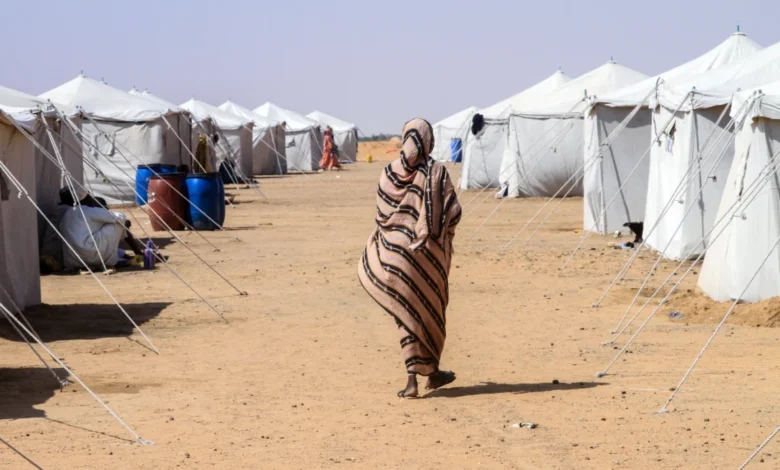
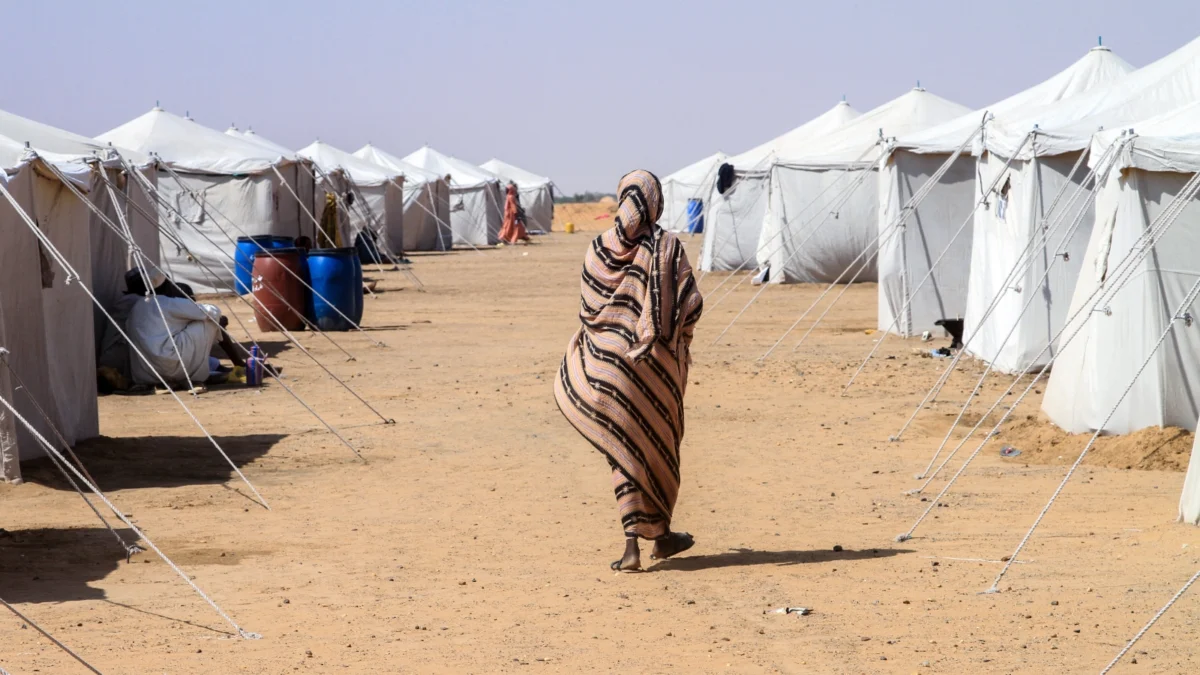
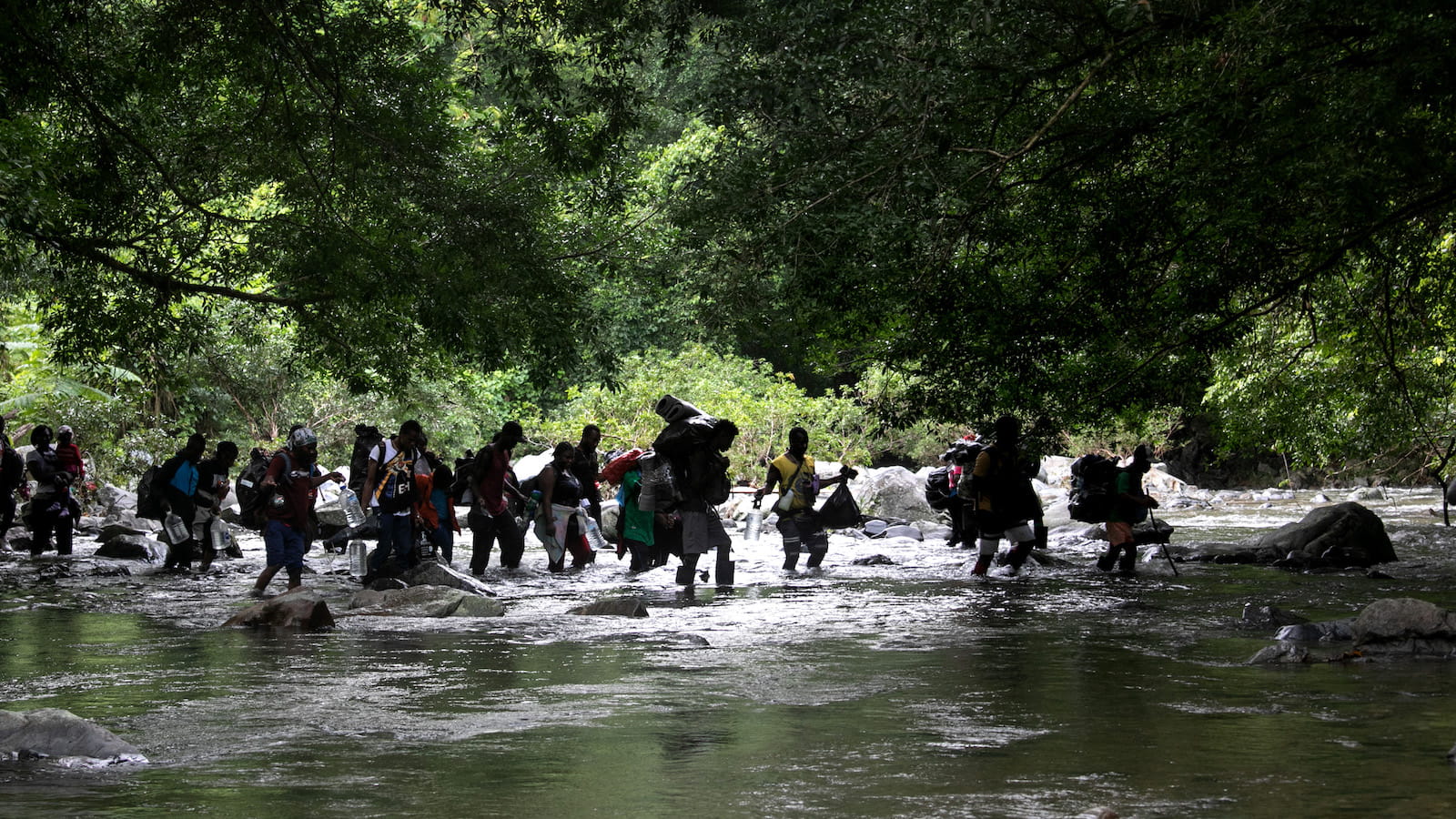
Every year, an estimated 20 million people are forced from their homes by weather-related events, a figure that international observers warn is only the beginning of a massive demographic shift. As the planet warms, the frequency and intensity of floods, wildfires, and prolonged droughts are rendering once-habitable regions increasingly untenable. These climate migrants, often moving without formal legal status or international protection, represent one of the most complex policy challenges of the 21st century. While most are displaced within their own national borders, the lack of a standardized global or domestic framework for their relocation creates a dangerous vacuum in disaster response.
Last autumn, Illinois attempted to fill this void by passing the Climate Displacement Act, a pioneering piece of legislation that sought to position the state as a proactive leader in long-term infrastructure and social planning. The law mandated the creation of a 17-member task force designed to analyze how domestic and international climate migration might affect the state’s economy, infrastructure, and social services by 2050. Proponents of the bill hailed it as a potential blueprint for other states to emulate. However, more than a year later, the initiative remains largely dormant, with the state having failed to appoint the vast majority of the board members required to begin the work.
A Chronology of Stalled Progress
The legislative intent behind the Climate Displacement Act was to treat climate migration as an inevitable logistical reality rather than a speculative future scenario. Introduced by State Senator Graciela Guzman in February 2025, the bill gained momentum in the wake of catastrophic wildfires in California, which prompted a national conversation about the long-term viability of high-risk regions.

The timeline for implementation was initially aggressive. Under the statute, Governor JB Pritzker and key legislative leaders were obligated to appoint the 17-member board within 90 days of the bill’s enactment. Despite this clear mandate, the process collapsed almost immediately. As of late 2026, only one official appointment—Senator Guzman herself—has been confirmed to the task force. The first of two critical reports, which were intended to serve as a comprehensive roadmap for state agencies to evolve in the face of climate-induced population shifts, is due in December. With the task force yet to convene, observers suggest that meeting this statutory deadline is now mathematically impossible.
The Scale of the Crisis
The urgency of the task force’s mandate is underscored by global data. The World Bank has estimated that, under current climate trajectories, at least 44 million people could be internally displaced globally by 2050. If this projection holds, the scale of internal movement would be roughly equivalent to relocating the entire population of Argentina.
For Illinois, the primary concern is not just the sudden arrival of refugees, but the gradual, permanent relocation of Americans fleeing climate-stressed environments in the Sun Belt and the West. With its vast access to 20 percent of the world’s unfrozen freshwater and its position as an agricultural heartland, Illinois is frequently cited as a "climate haven." A recent analysis by the climate-risk modeling firm AlphaGeo ranked Chicago as the most climate-resilient large city globally, citing its robust, albeit aging, infrastructure.
However, experts caution that the "climate haven" label is a double-edged sword. "There is no such thing as a truly safe zone," says Dr. Elena Vance, a climate geographer who has studied migration trends. "The Midwest is not immune to the cascading effects of a warming planet. We have already seen this in the record-breaking heat waves, the sudden spike in tornado frequency, and the unprecedented flooding that pushed Chicago’s deep tunnel and reservoir system to its absolute limits last summer."
Official Responses and Legislative Silence
When contacted by journalists regarding the lack of appointments, the response from state officials was characterized by a combination of commitment to the cause and an inability to provide a concrete timeline. A spokesperson for Governor Pritzker’s office maintained that the administration remains "committed to fighting climate change and preparing Illinois for its impacts," noting that the state continues to work with stakeholders to move the task force forward. Yet, the office declined to provide a target date for when the remaining 16 seats on the board would be filled.
Senator Guzman, who has been the most vocal proponent of the legislation, expressed frustration at the lack of progress. "We haven’t received a clear answer," Guzman said. "This has been two years in the making. I am honored to serve, but we are at a point where we need to stop debating the necessity of this work and actually begin the data collection."
The delay is particularly problematic because the law does not include punitive measures for failure to comply with the reporting deadlines. This lack of enforcement, some analysts argue, allows the state to relegate the task force to the bottom of its priority list, behind more immediate budget and political concerns.
Broader Implications for State Policy
The failure of the Illinois task force to gain traction highlights a significant barrier in climate policy: the legal definition of a "climate migrant." Under the 1951 Refugee Convention, which forms the basis for most international humanitarian law, the definition of a refugee is strictly limited to individuals facing persecution based on race, religion, nationality, or political affiliation. Climate-driven displacement—whether from a wildfire, drought, or sea-level rise—does not currently trigger the same legal protections.
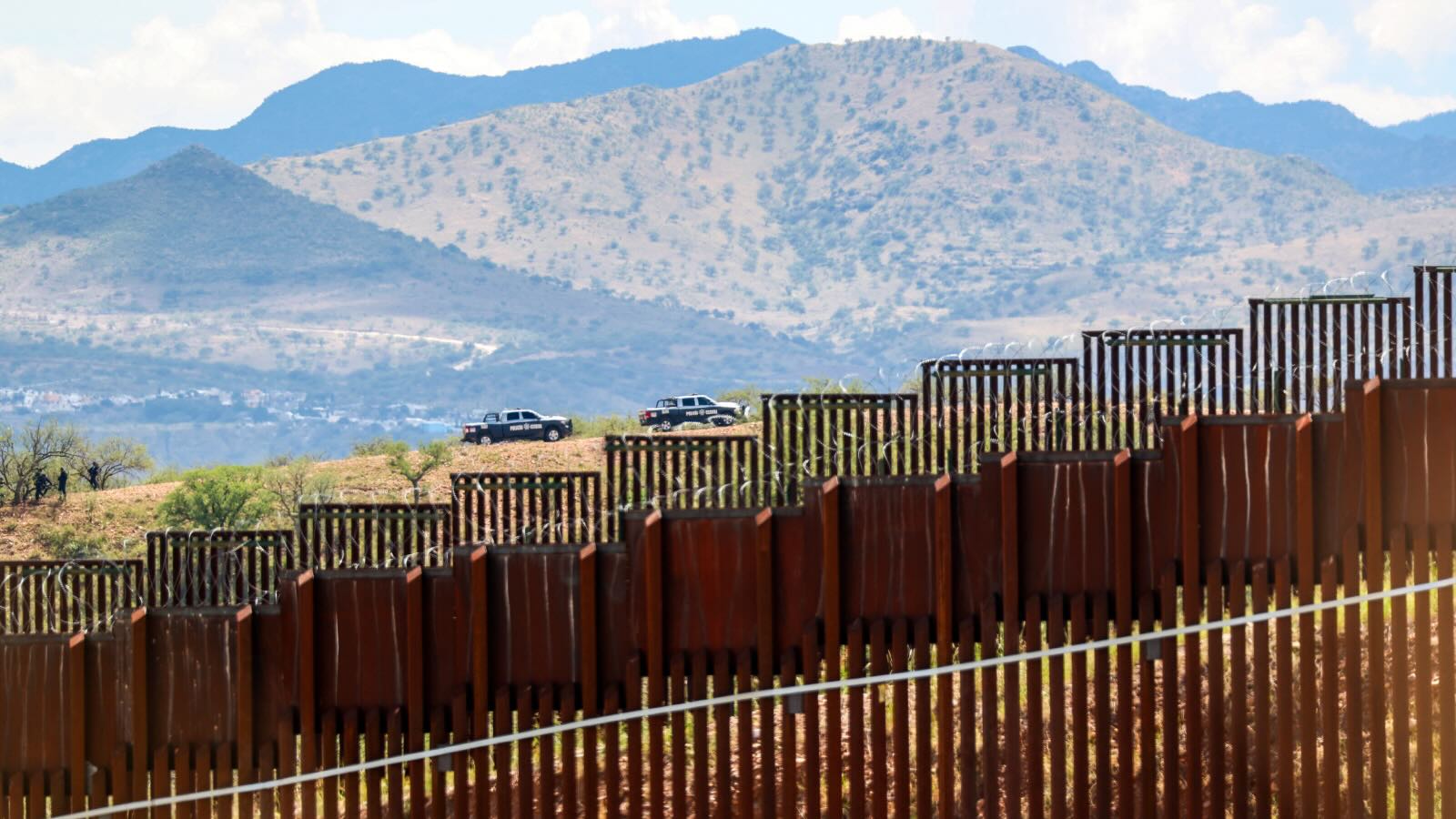
Without a federal or state mandate, local governments are often left to manage the influx of new residents without access to federal resettlement funding or established frameworks for housing, healthcare, or employment integration.
Despite the stagnation in Illinois, other states have begun to take localized action. Alaska has moved to support the relocation of coastal communities destroyed by severe storm events, while states like Maine and New Jersey are integrating climate-displacement metrics into their broader resilience and land-use planning. Notably, the city of Cincinnati has published a proactive blueprint aiming to accommodate 500,000 new residents by 2050, focusing on the expansion of affordable housing and transit—strategies that align with the original goals of the Illinois Climate Displacement Act.
The Path Forward: Planning vs. Reaction
Geographers and urban planners stress that the work required of the Illinois task force is inherently daunting because it requires merging two unpredictable variables: the pace of climate change and the complexities of human migration. Migration patterns are historically driven by a confluence of economic prospects, family networks, and social stability. Adding the unpredictable nature of climate disasters makes modeling a long-term projection exceptionally difficult.
However, Byran Jones, a professor at Baruch College, argues that the difficulty of the task is precisely why the state must begin. "The state has the opportunity to leverage its agricultural and industrial base to create a model for regional absorption," Jones said. "If Illinois can identify its specific capacities—what kind of housing density can it support? What are the limits of its water infrastructure?—it can begin to build a plan that is proactive rather than reactive."

For now, the mandate remains a piece of paper, a legislative ambition that has yet to see a single meeting. As the climate continues to shift, and as weather events in the Midwest become more extreme, the state’s inability to organize its own internal study group may prove to be a significant missed opportunity. If Illinois fails to act, it risks finding itself unprepared when the "climate havens" of today are forced to become the front lines of the demographic migrations of tomorrow. The challenge is not merely about managing the movement of people; it is about ensuring that the state’s resources, infrastructure, and social fabric are resilient enough to survive the coming century of climate uncertainty.
Related posts: