Former Biden Administration Aide Cait Conley Projected to Defeat Republican Rep. Mike Lawler in High-Stakes New York Midterm Showdown

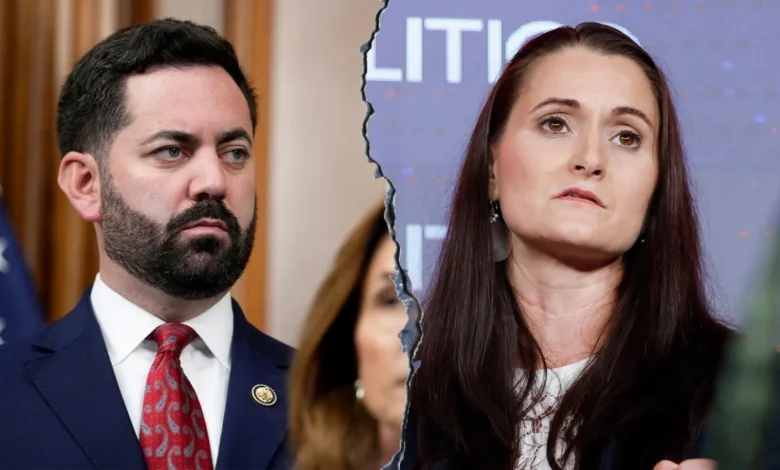
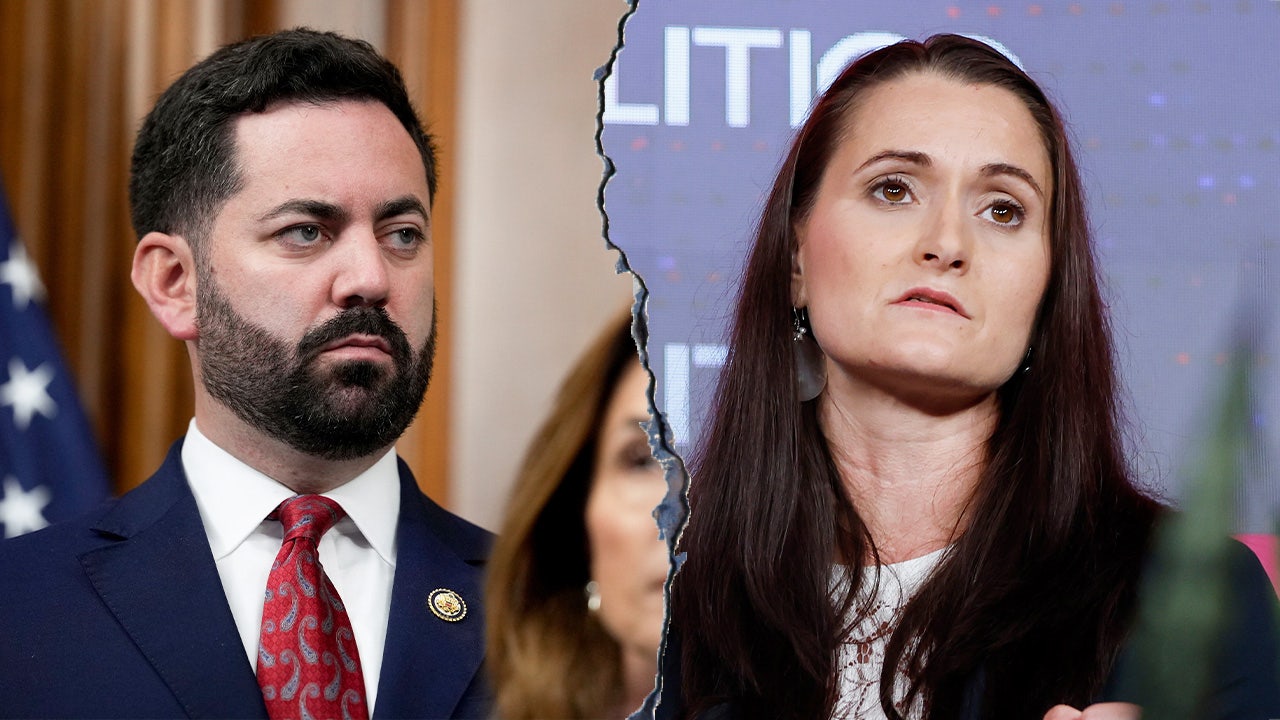
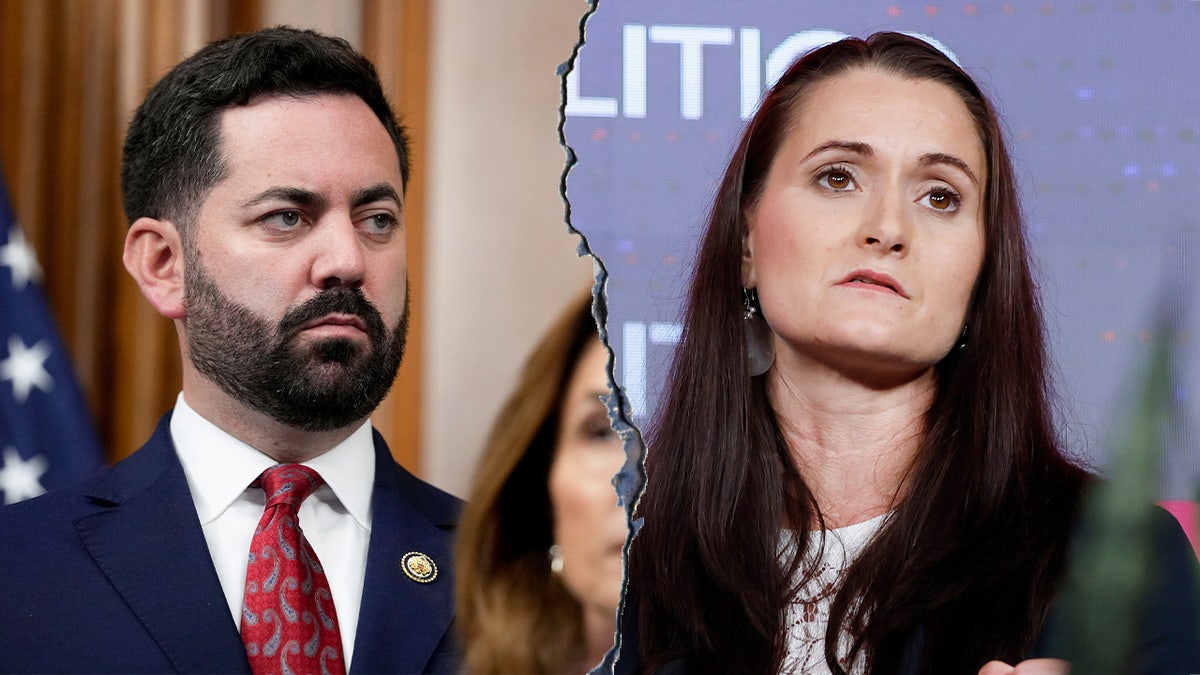
Cait Conley, a military veteran and former official within the Biden administration, is projected to secure a critical victory against two-term incumbent Representative Mike Lawler in New York’s 17th Congressional District. According to projections by The Associated Press late Thursday, Conley’s anticipated win represents a significant pickup for the Democratic Party in one of the most closely monitored and fiercely contested House races of the 2026 midterm election cycle.
The contest in New York’s Hudson Valley suburbs has long been regarded by political strategists on both sides of the aisle as a bellwether capable of deciding which party commands the narrow majority in the House of Representatives for the remainder of the legislative term. With immense financial investments, high-profile campaign visits, and intense national media attention directed at the district, the race materialized as a referendum on national security, immigration policy, federal spending, and the broader political climate under the current federal administration.
A High-Stakes District and the Battle for the House Majority
New York’s 17th Congressional District, encompassing parts of Rockland, Putnam, Dutchess, and Westchester counties just north of New York City, has a history of competitive, volatile electoral politics. The district’s political leanings have frequently shifted, making it a premier battleground for national party committees and outside spending groups aiming to influence the balance of power in Washington.
During the 2024 presidential election cycle, voters in the 17th District narrowly favored the Democratic ticket, with Vice President Kamala Harris carrying the constituency. This baseline Democratic leaning provided a favorable foundation for Conley’s candidacy, though Lawler had cultivated a reputation as a pragmatic, resilient retail politician capable of appealing to cross-over voters and independents.
Throughout the 2026 cycle, election forecasters offered varying assessments of the contest. The Fox News Power Rankings ultimately categorized the district as "lean Democrat," while the Cook Political Report classified it as a classic toss-up, reflecting the immense unpredictability and competitive parity that defined the final months of the campaign. Both the National Republican Congressional Committee (NRCC) and the Democratic Congressional Campaign Committee (DCCC) funneled millions of dollars into television advertisements, digital outreach, and grassroots mobilization efforts, transforming the suburban New York matchup into a nationalized proxy war over congressional control.
Candidate Profiles: From National Security to Suburban Representation
Cait Conley brings a distinct professional background to Capitol Hill, anchoring her campaign in her extensive experience in national security and public service. An Army veteran, Conley transitioned from military service to high-ranking civilian roles within the federal government. From 2021 to 2023, she served as the counterterrorism director on the White House National Security Council under President Joe Biden. Following her tenure at the White House, Conley spent the remainder of the Biden administration acting as a senior advisor on election security at the Cybersecurity and Infrastructure Security Agency (CISA), where she focused on safeguarding democratic infrastructure against foreign and domestic threats.
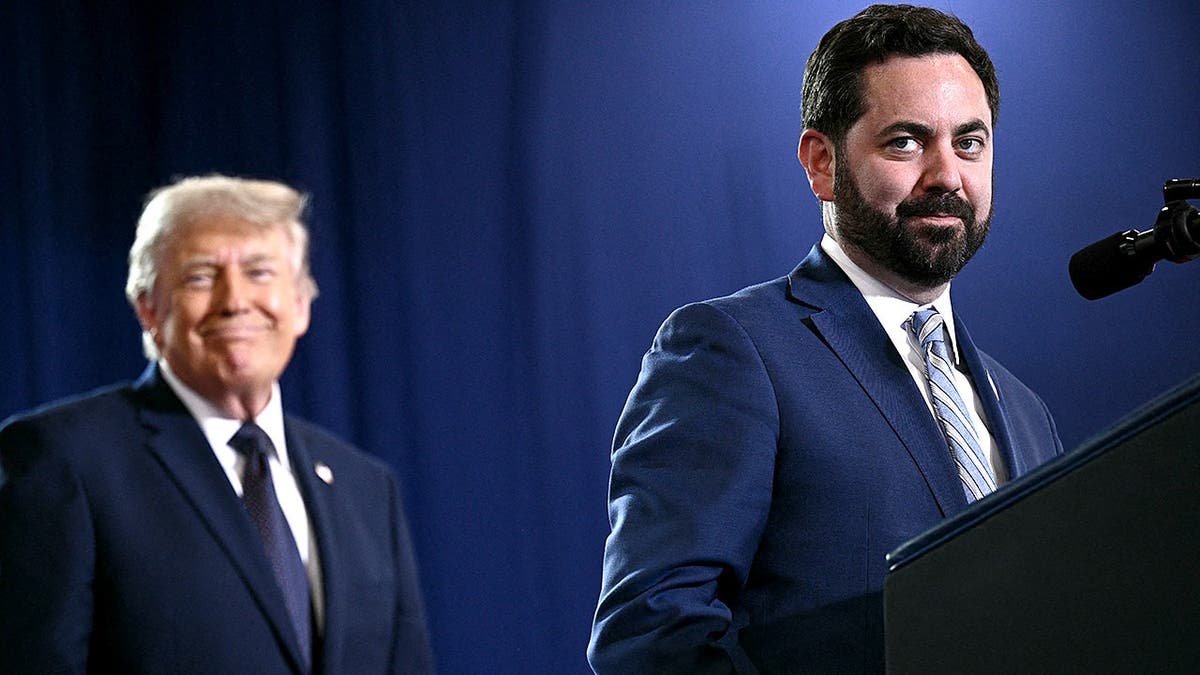
On the opposing side, Representative Mike Lawler entered the 2026 cycle seeking a third term after first winning the seat in 2022 by defeating then-Democratic incumbent Sean Patrick Maloney, who was serving as the chair of the DCCC at the time. Lawler built his legislative brand by positioning himself as a moderate, bipartisan lawmaker willing to work across the aisle while forcefully addressing issues impacting suburban communities. However, his legislative record and public persona required a delicate balancing act. Lawler frequently walked a political tightrope between acknowledging the substantial base of support for President Donald Trump within certain factions of his party and maintaining an independent identity necessary to win over moderate and unaffiliated voters in a historically competitive suburban district.
Immigration and Public Safety Take Center Stage
While fiscal policy, taxation, and the rising cost of living formed core pillars of both campaigns, the debate over immigration enforcement and public safety quickly emerged as the most emotionally charged and definitive issue of the race. Lawler made border security and the consequences of progressive immigration policies a central focal point of his reelection bid, aligning his messaging with national Republican strategies focused on crime and federal enforcement.
The debate took on profound personal and political weight following the tragic death of Sheridan Gorman, an 18-year-old Loyola University Chicago student and resident of Yorktown Heights, New York, located within Lawler’s district. Gorman was fatally shot in Chicago in March by an undocumented immigrant who had been previously arrested for shoplifting. Due to Chicago’s sanctuary city policies, local authorities released the suspect without notifying federal immigration enforcement via a detainer request.
Lawler, alongside Gorman’s grieving parents, elevated the tragedy into a national platform, arguing that permissive sanctuary city laws—which are also active in various forms across New York—create a direct hazard to public safety. Lawler’s campaign utilized the case to sharply criticize Democratic approaches to immigration, arguing that progressive candidates like Conley would fail to enact the stringent border enforcement measures necessary to protect American citizens.
Conley forcefully condemned the killing of Gorman and stated publicly that she opposes illegal immigration, drawing on her extensive national security background to emphasize border integrity. However, Conley largely avoided direct engagement on the specific debate surrounding local sanctuary city statutes, choosing instead to pivot her messaging toward comprehensive immigration reform, bolstering legal pathways, and applying her national security credentials to secure the border through technological and logistical enhancements.
The Broader Implications for the 2026 Midterm Landscape
Conley’s projected victory carries profound ripple effects for the broader legislative landscape in Washington. For congressional leadership, the loss of Representative Lawler is a severe blow to the Republican caucus’s efforts to expand or even maintain its governing majority. House leaders had counted on Lawler’s ability to defend suburban New York territory against mounting demographic and political headwinds.
Conversely, the pickup serves as a morale boost for House Democrats, validating their strategy of recruiting candidates with non-traditional political backgrounds—such as military veterans and national security professionals—to appeal to moderate suburban electorate segments. Conley’s transition from the executive branch’s national security apparatus to the legislative branch adds a distinct voice to the incoming freshman class, particularly on matters related to cybersecurity, counterterrorism, and federal oversight.
As the final certification processes conclude and the dust settles on one of the most expensive and contentious congressional races in modern New York history, attention will quickly shift to how Conley navigates the realities of divided government and intense partisan polarization in the 120th United States Congress. For Lawler, the defeat marks a pivotal turning point in a promising political career, leaving open questions regarding the future viability of moderate Republicans attempting to navigate districts shaped by shifting suburban dynamics and nationalized political pressures.
Related posts: