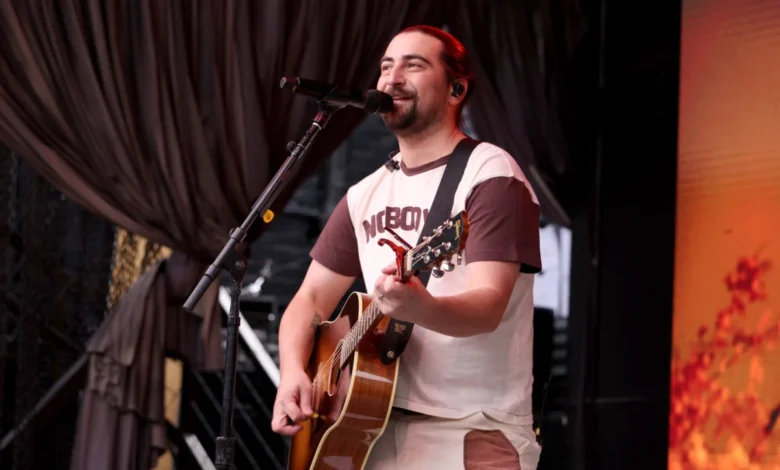
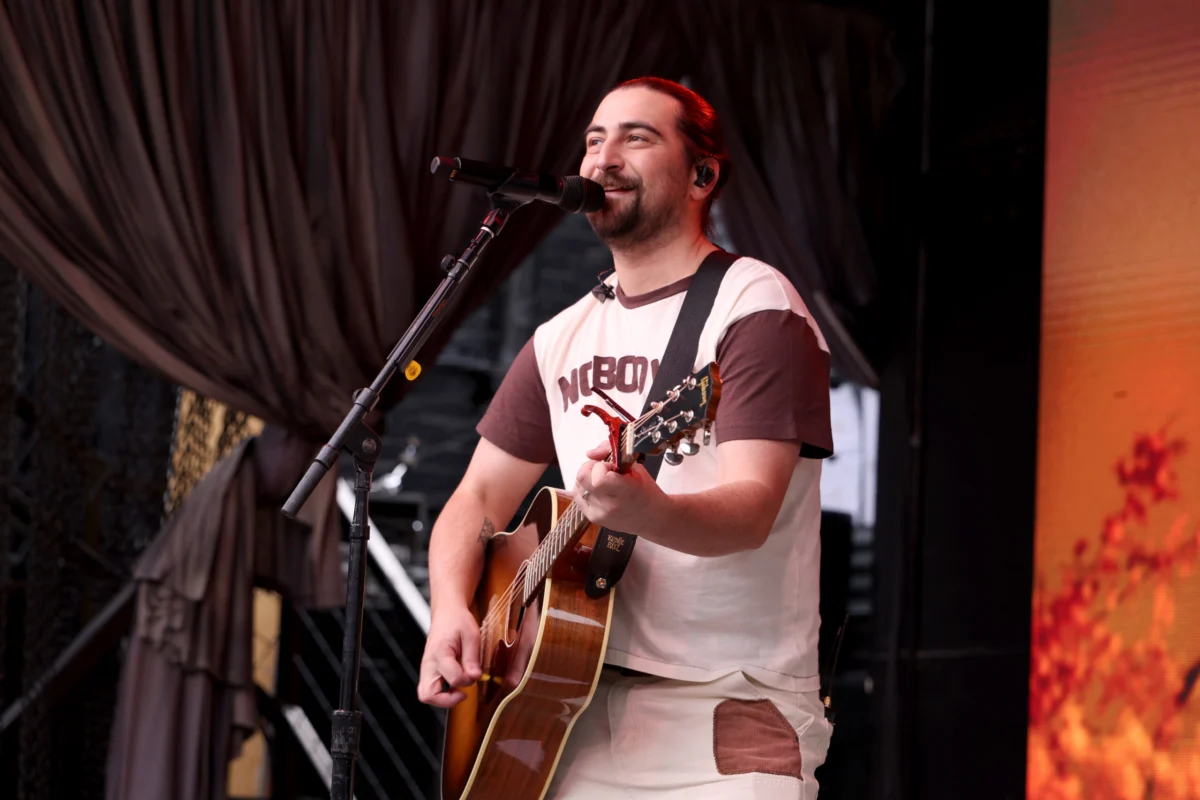
A powerful coalition of prominent recording artists from New England, including chart-topping sensation Noah Kahan, indie rock icons The Pixies, the beloved folk-rock artist Aimee Mann, the acclaimed jam band Goose, and the Celtic punk stalwarts Dropkick Murphys, have joined forces to advocate for significant reform in the ticket resale market. These influential musicians have penned an impassioned letter urging Massachusetts lawmakers to approve recently introduced legislation aimed at capping the exorbitant prices ticket scalpers can charge for concert and event tickets. The collective voice of these artists underscores a growing sentiment within the music industry that live performances, a vital cultural and economic engine, are becoming increasingly inaccessible to the very fans who sustain them.
The core of the artists’ message, articulated in their Wednesday missive, is a powerful plea for accessibility and fairness. "Live performance should not be a luxury," the 16 signatories declared, their words echoing a sentiment shared by countless music lovers. "Our art is not a commodity to be bought and resold at extreme markups against our wishes. People who contribute nothing to live performance should not profit more than the artists, venues, crews, and workers who bring these shows to life." This statement directly confronts the parasitic nature of speculative ticketing and unchecked resale, highlighting how intermediaries can accrue substantial profits while diminishing the value and accessibility of art for the end consumer.
This influential artist-led appeal arrives precisely one week after Massachusetts Governor Maura Healey officially unveiled "The Great Divide Act," a piece of legislation that bears the title of Noah Kahan’s latest chart-topping album, a testament to his personal commitment to this cause. Governor Healey’s proposed bill seeks to establish a clear and enforceable ceiling on secondary market ticket prices. Specifically, the act proposes to cap resale prices at a maximum of 110 percent of the original face value. For example, a ticket originally priced at $100 could, under this legislation, only be resold for a maximum of $110. This measure aims to curb the extreme markups that often push tickets into the hundreds or even thousands of dollars above their initial cost. Furthermore, "The Great Divide Act" intends to impose limitations on the fees levied by secondary ticketing platforms, often a significant contributor to the inflated final price. Crucially, the bill also seeks to outlaw speculative ticketing, a predatory practice where brokers list tickets for sale that they do not yet possess, creating artificial scarcity and driving up demand and prices before tickets are even officially released or obtained.
The artists’ letter delves deeper into the emotional toll that exploitative ticket resale takes on both fans and creators. "Few things hurt an artist more than seeing a fan exploited by a ticket reseller," they wrote, their collective voice conveying a profound sense of empathy. "It’s heartbreaking to read comments from fans who paid outrageous resale prices, knowing there’s little we can do to help. Every artist signing this letter has experienced that feeling." This sentiment highlights the direct connection artists feel with their fanbase and the frustration of witnessing that relationship being damaged by market manipulation. The artists emphasize that this issue transcends mere financial exploitation, stating, "Predatory resale, scalping, ticket touting, whatever you choose to call it, does more than exploit fans financially. It erodes the trust between artists and the people who support us." This assertion points to a fundamental breakdown in the symbiotic relationship between performer and audience, a relationship built on mutual respect and shared passion for music.
Noah Kahan, a New England native whose music often resonates with themes of authenticity and community, has emerged as a particularly ardent advocate for ticketing reform. In recent months, he has been a vocal proponent, lending his considerable platform to both the Massachusetts bill and a similar piece of legislation recently enacted in his home state of Vermont. His active engagement underscores the personal stakes involved for artists who witness their fans struggling to afford to attend their performances. The success of his latest album, "The Great Divide," being adopted as the name for the Massachusetts bill, further amplifies his influence and the significance of his advocacy.
Beyond the direct impact of artists, "The Great Divide Act" has garnered significant backing from influential industry organizations. The Music Artist Coalition, the National Independent Talent Organization, and the Future of Music Coalition have all publicly endorsed the legislation, recognizing its potential to create a more equitable and sustainable ecosystem for live music. These endorsements signify a broader industry consensus that current ticketing practices are unsustainable and detrimental to the long-term health of the music sector.
Ron Gubitz, Executive Director of the Music Artists Coalition, articulated the shared objective of artists and fans, stating, "Artists and fans want the same thing: a fair shot at getting into the room where the music happens. Speculative tickets and runaway resale fees break that deal for everyone except the industrial-scale ticket flippers. The Great Divide Act draws that line clearly. Massachusetts, led by Gov. Healey and Sen. Fernandes, is leading the country here with this strong set of reforms." This statement positions Massachusetts as a potential trailblazer in addressing the pervasive issue of ticket scalping, encouraging other states to follow suit.
The Massachusetts bill is indicative of a burgeoning national movement to rein in ticket scalping. This trend reflects a growing awareness among policymakers and the public about the detrimental effects of unchecked resale markets on consumer access and the live entertainment industry. In the past year, Maine introduced price caps on resale tickets, and both California and New York have seen similar legislative efforts this year. The momentum is palpable, with Washington, D.C., having recently approved a price cap on concert ticket resales just last week, signaling a national shift towards greater regulation. This wave of legislative action suggests that the days of unfettered scalping may be numbered as states increasingly prioritize consumer protection and fair access to cultural events.
Background and Chronology of the Movement
The issue of ticket scalping is not new, but the intensity of the current push for reform has been amplified by several factors. The rise of sophisticated bots capable of purchasing vast quantities of tickets the moment they go on sale, coupled with the exponential growth of online resale marketplaces, has created a perfect storm for price gouging. For years, artists and fans have expressed frustration with a system that often feels rigged against them.
- Early 2000s: Growing awareness of bot usage and its impact on primary ticket sales. Early legislative efforts in various states, often met with limited success.
- Mid-2010s: The proliferation of secondary ticketing platforms and the increasing visibility of exorbitant resale prices for high-demand events. Artists begin to voice more direct concerns.
- Late 2010s – Early 2020s: Increased public outcry and media attention on the issue. Fan advocacy groups gain traction. Noah Kahan and other artists become more vocal.
- 2023: Maine introduces and passes legislation to cap resale prices. Vermont passes a ticketing reform law, heavily supported by Noah Kahan.
- Early 2024: California and New York introduce new ticketing reform bills. Washington, D.C. passes a concert ticket resale bill. Massachusetts Governor Maura Healey announces "The Great Divide Act."
This timeline illustrates a gradual but accelerating movement towards legislative action, culminating in the current push in Massachusetts and other states.
Supporting Data and Industry Impact
The economic implications of ticket scalping are substantial, not only for consumers but also for the broader live entertainment ecosystem. While it is difficult to quantify the exact amount lost to scalpers, estimates suggest billions of dollars in inflated ticket prices annually. A 2018 report by the New York Attorney General’s office found that bots were responsible for purchasing a significant portion of tickets for popular events, exacerbating the problem.
Beyond the direct financial impact on fans, unchecked scalping can have a chilling effect on the music industry. When tickets become prohibitively expensive, it can deter new fans from attending shows, limiting the growth of emerging artists and potentially impacting the long-term viability of music venues. Furthermore, the frustration generated by the ticketing system can lead to a decline in fan engagement and loyalty, which are crucial for artists’ careers.
Industry groups like the Music Artist Coalition have provided data and testimonies highlighting the negative impact of speculative ticketing. They argue that the current system disproportionately benefits large-scale ticket brokers and bots, rather than supporting the artists, venues, and workers who are the backbone of the live music experience. The coalition has been instrumental in advocating for policies that ensure a fairer distribution of revenue and greater access for fans.
Official Responses and Broader Implications
The introduction of "The Great Divide Act" and the vocal support from prominent artists signal a critical juncture in the fight against ticket scalping. Governor Healey’s initiative positions Massachusetts as a leader in addressing this persistent issue. The bipartisan nature of some of these legislative efforts suggests a growing consensus across the political spectrum that the current ticketing market is in need of reform.
The implications of Massachusetts successfully passing "The Great Divide Act" could be far-reaching. If the legislation proves effective in making tickets more accessible and affordable, it could serve as a powerful model for other states seeking to implement similar measures. This could lead to a significant shift in the ticketing landscape across the country, potentially restoring a greater degree of fairness and accessibility to live events.
The active participation of artists like Noah Kahan, The Pixies, and Dropkick Murphys is a testament to the deep concern within the creative community. Their willingness to lend their voices and influence to this cause underscores the belief that live performance is an essential cultural experience that should be available to all, not just a privileged few. The success of "The Great Divide Act" would not only benefit fans but also reinforce the intrinsic value of art and the artist-fan relationship, ensuring that the magic of live music can continue to thrive for generations to come.
The Full Letter from the Artists
We write as artists who believe deeply in the power of live performance. Shows are where families make memories, where young people discover who they are, and where entire rooms of people share something that cannot be recreated anywhere else. We want these moments to be accessible to everyone, not just those who can afford prices driven by a broken ticket resale market.
Live performance should not be a luxury. Our art is not a commodity to be bought and resold at extreme markups against our wishes. People who contribute nothing to live performance should not profit more than the artists, venues, crews, and workers who bring these shows to life.
Few things hurt an artist more than seeing a fan exploited by a ticket reseller. It’s heartbreaking to read comments from fans who paid outrageous resale prices, knowing there’s little we can do to help. Every artist signing this letter has experienced that feeling. Predatory resale, scalping, ticket touting, whatever you choose to call it, does more than exploit fans financially. It erodes the trust between artists and the people who support us.
We know how much our fans give to be part of these moments. They plan, they save, and they show up. Our fans support us without hesitation, and we owe it to them to stand up for a system that doesn’t shut them out.
Massachusetts is acting to protect our fans by capping resale at 110%, banning speculative tickets and cracking down on deceptive websites. We respectfully ask Massachusetts legislators to stand up for their constituents by protecting fair access to live performances and supporting these reforms.
Noah Kahan
Dropkick Murphys
The Pixies
Goose
Aimee Mann
Killswitch Engage
Shadows Fall
Four Year Strong
New England Metal and Hardcore Fest
A Loss For Words
All That Remains
Flawed Mangoes
Mark Erelli
Melissa Ferrick
Mission of Burma
Ryan Montbleau