A Definitive Guide to Chicago’s Iconic Hot Dog Culture and Where to Find the Best Franks in the Windy City

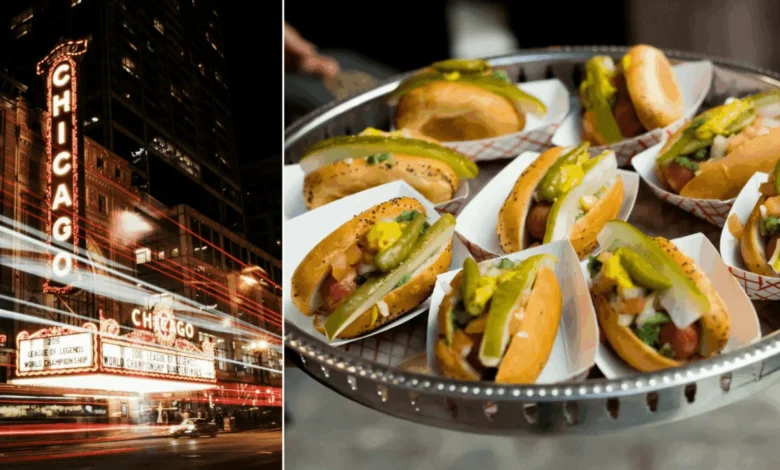
The Chicago-style hot dog is far more than a casual street-corner snack; it is an enduring culinary institution deeply embedded in the cultural fabric of the American Midwest. Defined by its strict adherence to a precise arrangement of toppings nestled within a steamed poppyseed bun, this regional delicacy represents a complex harmony of textures and flavors. While culinary trends shift rapidly in major metropolitan areas, the traditional Chicago hot dog remains a steadfast symbol of local pride, culinary heritage, and neighborhood identity. Understanding the anatomy of a true Chicago dog requires examining not only its ingredients, but also the historical evolution of the city’s legendary hot dog stands, which have served communities for over a century.
The Anatomy of a Traditional Chicago Dog

To the uninitiated, the assembly of a Chicago-style hot dog may seem overly elaborate, yet every component serves a specific sensory purpose. The foundation begins with an all-beef frankfurter encased in a natural casing, which delivers a distinct structural snap upon the first bite. This sausage is gently nestled inside a steamed, commercially baked poppyseed bun that provides both a soft cushion and a subtle nutty crunch.
The standard configuration—traditionally described by locals as being "dragged through the garden"—incorporates yellow mustard, bright chopped white onions, neon green sweet pickle relish, fresh tomato wedges or slices, a dill pickle spear, pickled spicy sport peppers for heat, and a generous dash of celery salt.
Crucially, culinary convention dictates the absolute exclusion of ketchup. In Chicago’s distinct gastronomic subculture, the sweet, tomato-based condiment is viewed as incompatible with the acidic, tangy, and savory profile of the mandated toppings. This unwritten rule functions as an informal rite of passage for visitors and a point of serious pride for residents.

Historical Context and Evolution of the Stand Culture
The origins of Chicago’s hot dog stand culture trace back to the Great Depression of the 1930s. During a time of profound economic uncertainty, immigrant communities—particularly Greek, Italian, and Eastern European arrivals—turned to street vending as a vital means of survival. Pushcarts and makeshift sidewalk stands began selling affordable, protein-rich sausages loaded with inexpensive, locally grown vegetables sourced from nearby produce markets.
Over the decades, these modest street operations evolved into permanent fixtures of the urban landscape. Neighborhood stands became communal hubs where individuals from diverse socioeconomic backgrounds gathered. The mid-century post-war boom saw the rise of iconic drive-ins and walk-up windows, cementing the hot dog stand as a cornerstone of Chicago’s working-class identity. Today, while fine-dining establishments and high-end gastronomy frequently dominate food media, the city’s modest frankfurter stands continue to anchor neighborhood culinary identity.

Mapping the City’s Premier Hot Dog Destinations
A comprehensive survey of Chicago’s top hot dog vendors reveals a diverse spectrum of preparations, ranging from historic institutions preserving century-old traditions to contemporary chefs offering elevated interpretations of the classic comfort food.
Fixin’ Franks: Hardware Store Gastronomy

Operating primarily out of unexpected locations—specifically inside select Home Depot stores across the Chicago metropolitan area—Fixin’ Franks offers a uniquely localized dining experience. Positioned near the building supply retailer’s exits, this family-owned operation serves as a rewarding culinary conclusion for weekend DIYers. The menu features locally sourced ingredients, presenting classic Chicago-style dogs alongside Polish sausages, Maxwell Street variations, and elotes. For diners seeking an extra kick, the stand offers J.P. Graziano hot giardiniera as a topping, bridging the gap between traditional Chicago hot dog culture and classic Italian-American deli condiments.
Byron’s Hot Dogs: The Salad Approach to Frankfurters
Established over five decades ago with locations in Lakeview and Ravenswood, Byron’s Hot Dogs introduces a distinct structural variation to the classic formula. While most establishments adhere strictly to the traditional garden-style layout, Byron’s incorporates lettuce, green peppers, and cucumber slices alongside the standard mustard, relish, onions, tomatoes, pickle spears, and celery salt. Having famously served its hot dogs to political figures during the Obama administration, this 51-year-old institution offers a remarkably fresh, vegetable-heavy presentation that playfully challenges conventional definitions of fast food.

Jim’s Original: The Cradle of the Maxwell Street Polish
Located in University Village and Avondale, Jim’s Original represents a vital chapter in Chicago’s multi-ethnic street food history. Founded in 1939 by Macedonian immigrant Jimmy Stefanovic—who took over a stand originally operated by his aunt and uncle—Jim’s is widely credited with popularizing the legendary Maxwell Street Polish sausage. This robust, garlic-infused smoked beef and pork link is served on a plain bun with a heavy-handed mound of grilled onions, yellow mustard, and fiery sport peppers. Operating extensively throughout the day and night without formal indoor seating, Jim’s Original maintains a vibrant, party-like atmosphere where patrons gather around outdoor metal counters or curbs.
Portillo’s: The Commercial Ambassador of Chicago Classics

Founded by Dick Portillo in 1963, Portillo’s has expanded from a single suburban trailer into a sprawling regional empire with multiple national locations. Despite its corporate scale, the local chain remains a reliable benchmark for visitors seeking an authentic introduction to Chicago comfort food. The operations expertly execute steamed hot dogs, Italian beef sandwiches, and Maxwell Street sausages under strict quality control standards. Furthermore, Portillo’s is home to the renowned chocolate cake shake, a decadent creation combining a slice of house-made chocolate cake blended directly into a rich vanilla-chocolate milkshake, serving as a signature indulgence for tourists and locals alike.
Red Hot Ranch: The Affordable Depression-Style Standard
Operating multiple neighborhood locations—including outposts in Lakeview, Logan Square, Bridgeport, and suburban Skokie—Red Hot Ranch champions the minimalist "Depression-style" hot dog. This historic preparation strips away the tomatoes, cucumbers, and pickles, featuring only mustard, onions, relish, and sport peppers, all served over a bed of freshly cut French fries for a total cost hovering around five dollars. Beyond its celebrated hot dogs, Red Hot Ranch has garnered widespread critical acclaim from local culinary critics for offering what many consider to be the finest double smashburger in the city.

Superdawg Drive-In: Mid-Century Architectural Iconography
Opened in 1948 by Maurie and Flaurie Berman, Superdawg remains an irreplaceable monument to Chicago’s mid-century carhop culture. Situated in Norwood Park East and Wheeling, the drive-in is instantly recognizable by the two rotating, 12-foot-tall hot dog statues mounted on its roof. Superdawg distinguishes itself culinary by utilizing a proprietary, slightly oversized all-beef frankfurter served in a custom cardboard box alongside crinkle-cut fries. The toppings depart slightly from convention, featuring mustard, a pickled green tomato, piccalilli, chopped onions, and a pickled pepper, preserving a distinct recipe that has endured for nearly eight decades.
The Duck Inn: Elevating the Humble Sausage

In Bridgeport, chef Kevin Hickey delivers an upscale reimagining of the regional staple at The Duck Inn. The restaurant’s signature Chicago-style Duck Inn Dog features a bespoke sausage crafted from a blend of premium beef, pork, and rendered duck fat. Grilled to order and nestled inside a brioche poppyseed bun, the frankfurter is topped with a concentrated "supercondiment" blending mustard, relish, tomato, and onion, finished with a dill pickle, pickled serranos, and celery salt. Paired with house-made fried cheese curds, the dish demonstrates how traditional street food can be successfully elevated through high-end culinary technique without losing its fundamental soul.
The Wiener’s Circle: Char-Dogs and Theater in Lincoln Park
For 43 years, The Wiener’s Circle in Lincoln Park has operated as both a late-night culinary destination and a celebrated cultural theater. Famed for its charcoal-grilled "char dogs"—which provide a distinct smoky flavor and charred texture absent from traditionally steamed variations—the stand is equally famous for the playful, banter-heavy dynamic between its staff and late-night patrons. Open until the early morning hours on weekends, the establishment pairs its signature charred sausages and cheddar-smothered fries with an unforgettable, high-energy urban atmosphere.

Vienna Beef Factory Store: Visiting the Source
No discussion of Chicago hot dogs is complete without acknowledging Vienna Beef, the foundational manufacturer that supplies the vast majority of the city’s hot dog stands. Located directly across the street from the corporate manufacturing facility in Bridgeport, the Vienna Beef Factory Store and Cafe allows diners to consume a textbook, factory-fresh Chicago-style dog in its purest commercial context. Surrounded by memorabilia and retail merchandise, visitors experience the direct economic and cultural heartbeat of the city’s multi-million-dollar hot dog industry.
Wurst Behavior: A Polish-American Fusion

Representing the contemporary wave of sausage craftsmanship, Artur Wnorowski’s casual eatery in Albany Park applies traditional Polish butchery techniques to the Chicago hot dog landscape. Featuring house-made sausages—including a pecan-smoked kielbasa inspired by family recipes—Wurst Behavior offers a hybrid menu. Options range from traditional Chicago-style all-beef franks to inventive creations topped with sauerkraut, caramelized onions, sour cream, hazy IPA mustard, and authentic potato-and-cheese pierogies, highlighting the ongoing evolution and cultural fusion within the city’s modern dining scene.
Broader Economic and Cultural Implications
The enduring popularity of the Chicago hot dog stand serves as a vital economic engine and a stabilizing cultural anchor for local supply chains. The ecosystem supports regional meat packers, bakeries producing specialized poppyseed buns, agricultural produce distributors, and condiment manufacturers. Furthermore, these establishments function as democratic neighborhood spaces where economic status dissolves in favor of shared culinary rituals. As urban landscapes shift through gentrification and rising operating costs, the preservation of these historic hot dog stands remains crucial to safeguarding the authentic, unpretentious heritage of the American Midwest.